The escalation of war drives up the price of oil
The G7 and central banks conspire to mitigate the effects of the energy crisis

-
CAT -
CAST
BarcelonaThe escalation of the war in the Middle East, with the entry of the Houthis into the conflict, has sent oil prices soaring this Monday, reaching highs since the beginning of the war. During the day, the price of a barrel of Brent crude exceeded 115 dollars, although it later fell slightly and by the afternoon was around 112 dollars per barrel.
Brent crude has risen around 58% in this first month of war, the most pronounced monthly jump since 1988, and has surpassed the gains made during the 1990 Gulf War. US crude, West Texas Intermediate (WTI), has risen 51%, its largest monthly increase since May 2020.
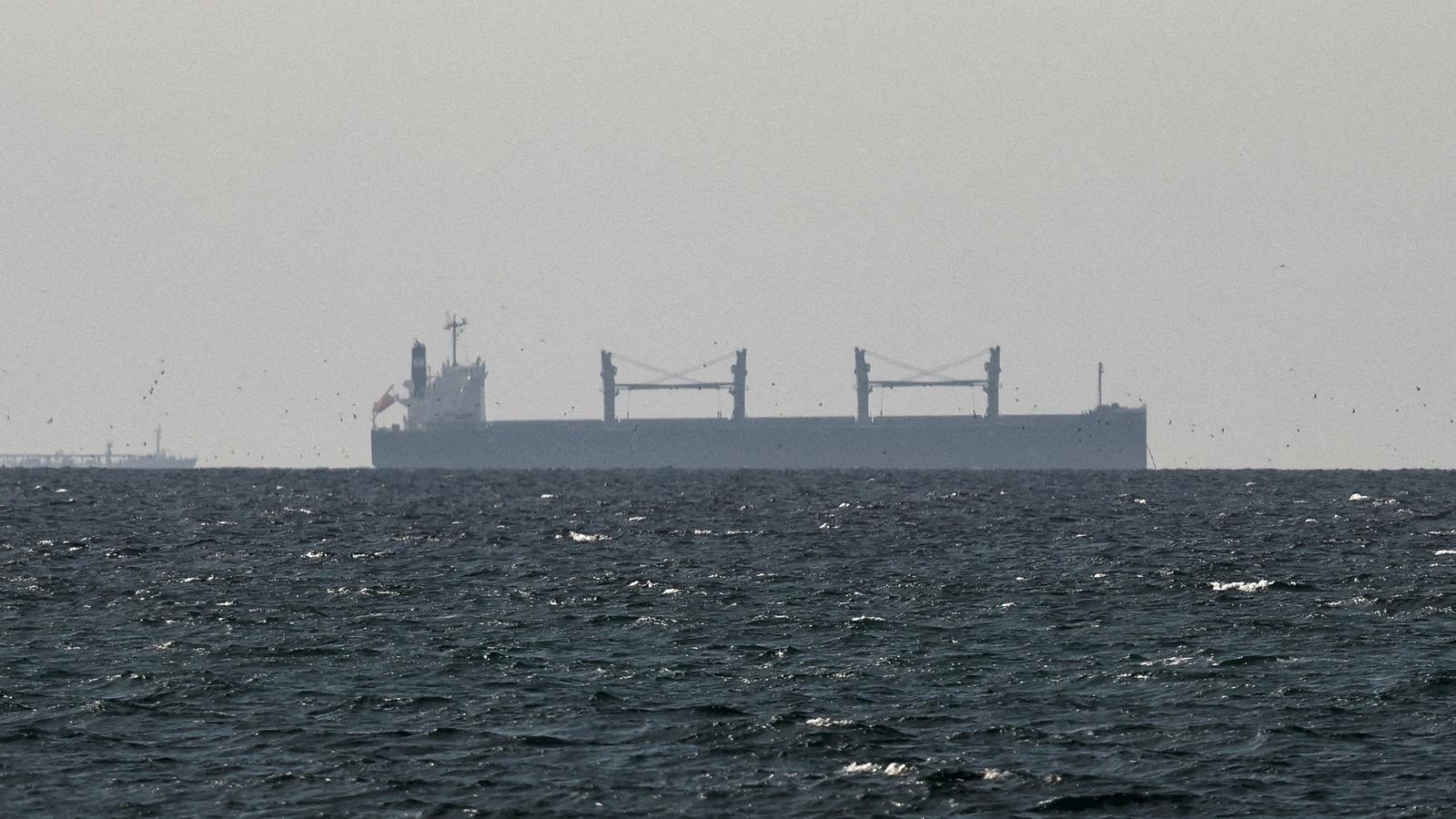
The rises have been driven by Iran's effective closure of the Strait of Hormuz, a choke point for approximately one-fifth of the world's oil and gas supply. The conflict, which began on February 28 with attacks by the United States and Israel against Iran, has since spread throughout the Middle East, fueling concerns about shipping routes around the Arabian Peninsula and the Red Sea.
"If the Houthis were to attack shipping and close the southern entrance to the Red Sea, the price would likely skyrocket between $5 and $10," said Robert Yawger, director of energy futures at Mizuho, Reuters reports.
The war has forced a redirection of Saudi crude exports that previously exited through the Strait of Hormuz, and now leave through the port of Yanbu on the Red Sea. Last week, 4.658 million barrels per day left this port, according to data from the analysis firm Kpler. This represented a sharp increase compared to an average of 770,000 barrels per day in January and February. But if exports from Yanbu were interrupted, Saudi oil would have to pivot to Egypt's Suez-Mediterranean (SUMED) pipeline to the Mediterranean, according to JP Morgan analysts, which has less capacity.
Asia is one of the regions most affected by the closure of Hormuz. Therefore, the Vietnamese company Binh Son Refining and Petrochemical said this Monday that it is in talks with Russian partners to buy crude oil. The company said it will also buy more crude oil from Africa, the United States, and Southeast Asia.
Meanwhile, the energy and finance ministers, as well as the central banks of the G7 countries, meeting exceptionally this Monday to address the crisis, have expressed at the end of the videoconference their willingness to adopt all necessary measures in close coordination with their partners to preserve the stability and security of the energy market.
This "unprecedented" summit on energy and finance, as had been highlighted by the French Ministry of Economy, Finance and Industrial, Energy and Digital Sovereignty, host of the meeting, has also pointed out the importance of coordinated international action to mitigate the indirect effects of the crisis and safeguard macroeconomic stability.

In this way, the ministers of the United States, Canada, Japan, France, Italy, Germany, and the United Kingdom have assured that they continue to closely monitor the evolution of the situation and the possible impact on global growth and financial market conditions. In particular, in line with their respective mandates, the G7 central banks have expressed their strong commitment to maintaining price stability and ensuring the continued resilience of the financial system.
Fuels, on the decline
Despite the rise in the price of oil, the Spanish government's tax cuts on VAT on fuels and the special hydrocarbon tax are beginning to have their effects. Prices at petrol stations have started to fall, although they remain above the price they were before the war. Thus, the price of 95-octane gasoline in Catalonia, on average, stood at 1.55 euros per litre on Sunday, compared to 1.49 euros before the conflict. Even so, it has been falling from a maximum of 1.81 euros per litre before the tax cuts were decreed.
In the case of diesel, the increase was greater than that of gasoline, and the price decrease after the tax cuts were applied has also been smaller. Thus, the litre of diesel, which cost an average of 1.43 euros in Catalonia before the conflict, soared to 1.95 euros per litre, before falling to 1.77 euros on Sunday. Even so, diesel is more expensive than gasoline, which is not usual, but which also happened after the outbreak of the war in Ukraine. This is because European refineries in general have little capacity to produce diesel, which is normally imported in large part directly from crude oil producing countries.
