The G7 will release one hundred million barrels of strategic reserves to lower the price of diesel
During the next twenty days most of the diesel will hit the market, which has reached maximum prices this week

-
CAT -
CAST
LondonThe G7 tries to lower the price of diesel through strategic reserves. The leaders of the seven main Western economies agreed this Friday to release up to one hundred million barrels of crude oil and petroleum products over the next four months, under the umbrella of the International Energy Agency (IEA). A substantial part of the diesel will hit the market during the first twenty days. This week the price of diesel had reached historic highs in numerous markets.
French President Emmanuel Macron, who currently holds the rotating presidency of the G7, explained after the telematic meeting that the seven have decided to act in a coordinated manner, following the first contacts yesterday. The agreement took place after United States President Donald Trump threatened to block diesel exports if European countries did not use their reserves to contain fuel prices.
In addition to putting reserves on the market, the leaders agreed to make production more flexible to ensure that refineries operate at maximum possible capacity and to coordinate maintenance schedules to prevent several plants from being shut down at the same time. They also committed not to restrict the exchange of energy and petroleum products between partner countries.
European Commission President Ursula von der Leyen welcomed the G7 agreement and argued that citizens "need and deserve affordable energy," while supporting the release coordinated by the IEA and the G7 countries' commitment not to impose export bans on their allies. After the pact, Trump assured that the process of releasing the reserves "will begin immediately".
Trump's threat meant turning off the tap of the main supplier for more than a dozen countries, including Mexico, Canada, and a good part of Europe. One of those that could suffer the most from this measure would be the United Kingdom, which imports 55% of the diesel it consumes, a third of which arrives from across the Atlantic.
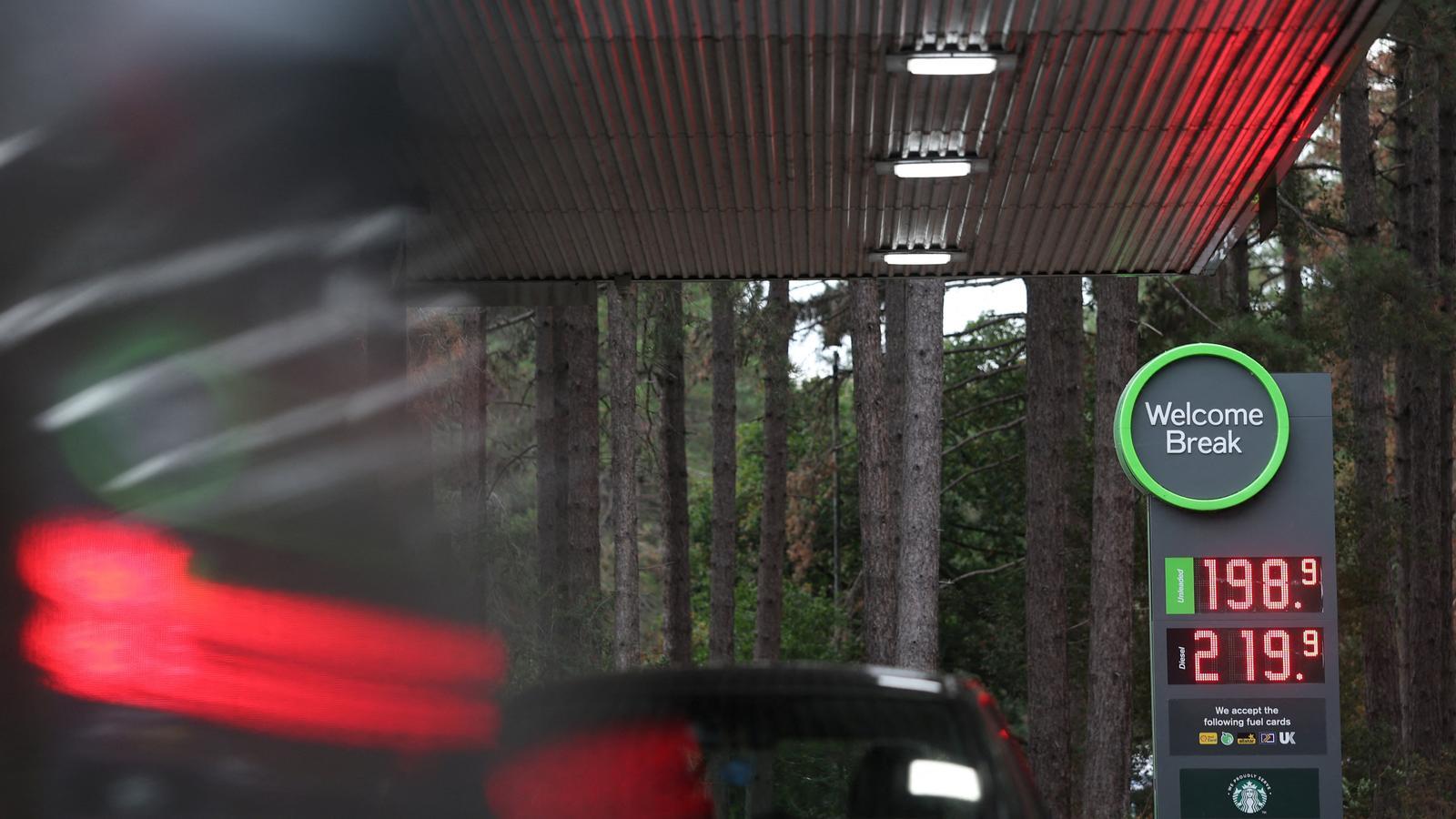
In London, in fact, putting diesel in the car already costs more than 2 pounds per litre. In approximately thirty days, the average price of diesel has gone from about 184.7 pence per litre to 200. For a driver who fills a 50-litre tank, this represents about 7.5 pounds extra each time they go to the till. And, if compared with a few months ago, the average price of diesel in the United Kingdom as a whole this Thursday is approximately 40% more expensive than in the month of March.
The link with inflation
And diesel continues to be the fuel that drives much of the freight transport, agriculture, construction and all kinds of industrial activities; diesel, in fact, is the link between the energy market and inflation. An inflation that yesterday, Thursday, contributed to the increase in the profitability of British and American Treasury bonds: the gilt 30-year British bond exceeded 6% –a high since 1998–, and the 10-year US bond reached 5.33% –a high since 2002.
In 2023, the International Energy Agency predicted that by 2028 major oil companies would produce much more oil than would be bought. Prices fell to levels too low to, according to experts, attract investments in new wells and refineries. No forecast anticipated that the Strait of Hormuz, the main route for crude oil arrival from the Middle East to global markets, would remain almost completely blocked for a few months. At the same time, although it had already been a year since Moscow had attacked Kyiv, it was also difficult to foresee that the Ukrainians would retaliate by attacking Russian energy facilities. These attacks have hindered the production and export of refined fuels from Russia. And although Europe does not buy them –due to sanctions for the invasion– this fuel used to reach the global market and, therefore, when it does not reach it, the price goes up.
An added problem is refining capacity. In the case of the United Kingdom, for example, the country currently only has four refineries. In the eighties, it had eighteen. An added obstacle is that one of these facilities, the Fawley plant in Hampshire, the largest in the country, has shut down this week for maintenance, an operation that will last until mid-November. That is why another of the G7's measures has been to coordinate maintenance shutdowns of refining plants in different countries to prevent more than one from happening at the same time.
