Brussels authorizes the Spanish anti-blackout mechanism with millionaire aid to electricity companies
Green light is given to the State to compensate with 9,000 million euros over 10 years for supply security

-
CAT -
CAST
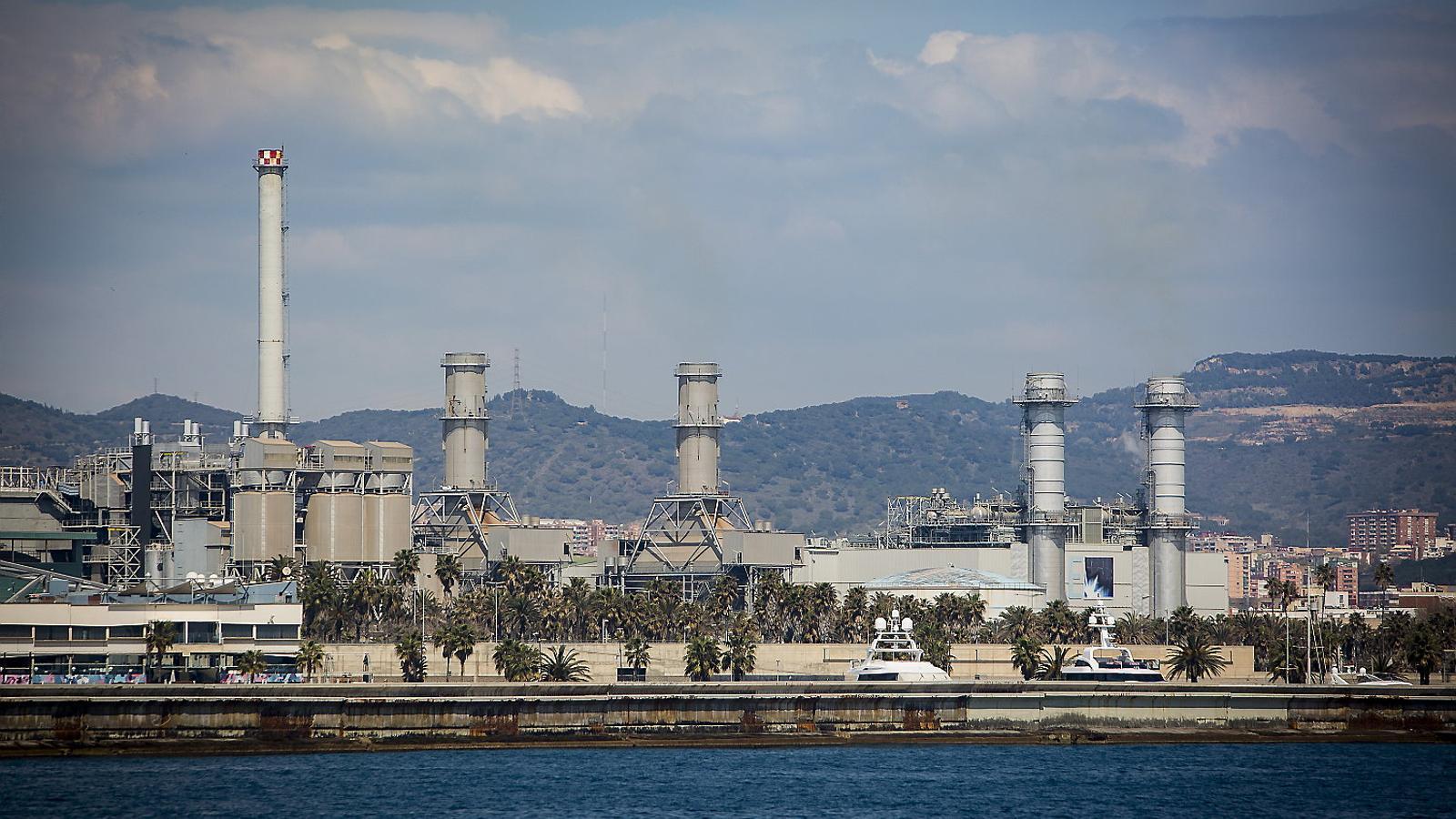
MadridGreen light from Brussels to the Spanish anti-blackout mechanism, which includes millionaire aid to electricity companies to guarantee the stability of the electricity supply. The European Commission has authorized the Spanish state to compensate with up to 9 billion euros over 10 years (900 million each year) the most stable technologies – such as gas thermal power plants – so that they provide "firmness" to the electricity system and are available when it is necessary to inject more electricity into the system or control demand.
Brussels reported this Friday afternoon that it considers the Spanish government's proposal to guarantee the balance between electricity production and consumption to be "necessary, adequate, and proportionate." The community executive was evaluating whether the proposal could constitute state aid, but finally concluded that it is "proportionate" aid that will be granted through competitive processes aimed at limiting "distortions" on competition and trade within the single market.

Although this mechanism –technically called the electricity system capacity market– seeks to strengthen the electricity system and avoid scenarios like the one experienced on April 28, 2025, when the Iberian Peninsula was left in the dark for hours, the Ministry for Ecological Transition and the Demographic Challenge had already proposed this regulatory change in December 2024.
The objective, as the ministry explained at the time, was to "establish a capacity market in the Spanish electricity system that guarantees the security of supply, by articulating an instrument that promotes investment in firm capacity and safeguards technological neutrality." Sources from the Ministry for Ecological Transition "thank" the European Commission for the analysis of all these months to verify that the proposal "fits" with European regulations on State aid, but also with the internal electricity market.
Electricity generation, storage, and demand will participate in this new capacity market, and will receive remuneration in exchange for being available, either to inject electricity or to reduce consumption, they explain from the ministry.
Who calculated the cost?
The cost of this mechanism has been estimated based on calculations by the National Commission on Markets and Competition (CNMC). Competition had forecast an economic impact of between 800 and 900 million euros. It will be financed mainly by electricity marketers, although it will be passed on to consumers through electricity bills. The European Commission, in fact, warns that the system must be "well designed" so that it "does not cause an increase in electricity prices for consumers".
"With the new market, two objectives will be achieved: to ensure demand coverage and to offer investment signals so that storage and demand management are definitively incorporated into the system and progress is made in an orderly manner towards a carbon-neutral economy," indicate ministry sources. Once the green light has been received from Brussels, the Spanish government is confident in getting the regulatory proposal on track and approving it during "the coming weeks".
Three auctions
The design driven by the Spanish government foresees different types of auctions to cover both structural needs and specific scarcity situations. Thus, it foresees a main auction to award medium and long-term capacity, another annual adjustment for responding to conjunctural needs, and a third of a transitory nature intended to guarantee the system's firmness until the projects awarded in the main calls come into operation.
Furthermore, new investments that compete in the mechanism must correspond to renewable technologies, storage systems, or demand management, in line with the objective of accompanying the transformation of the energy mix and favoring the entry of technologies capable of providing flexibility to the system.
