Sonny Rollins dies, legendary jazz saxophonist, at 95 years old
He worked with masters of the genre such as Thelonious Monk, Dizzy Gillespie, Max Roach and Miles Davis
-
CAT -
CAST
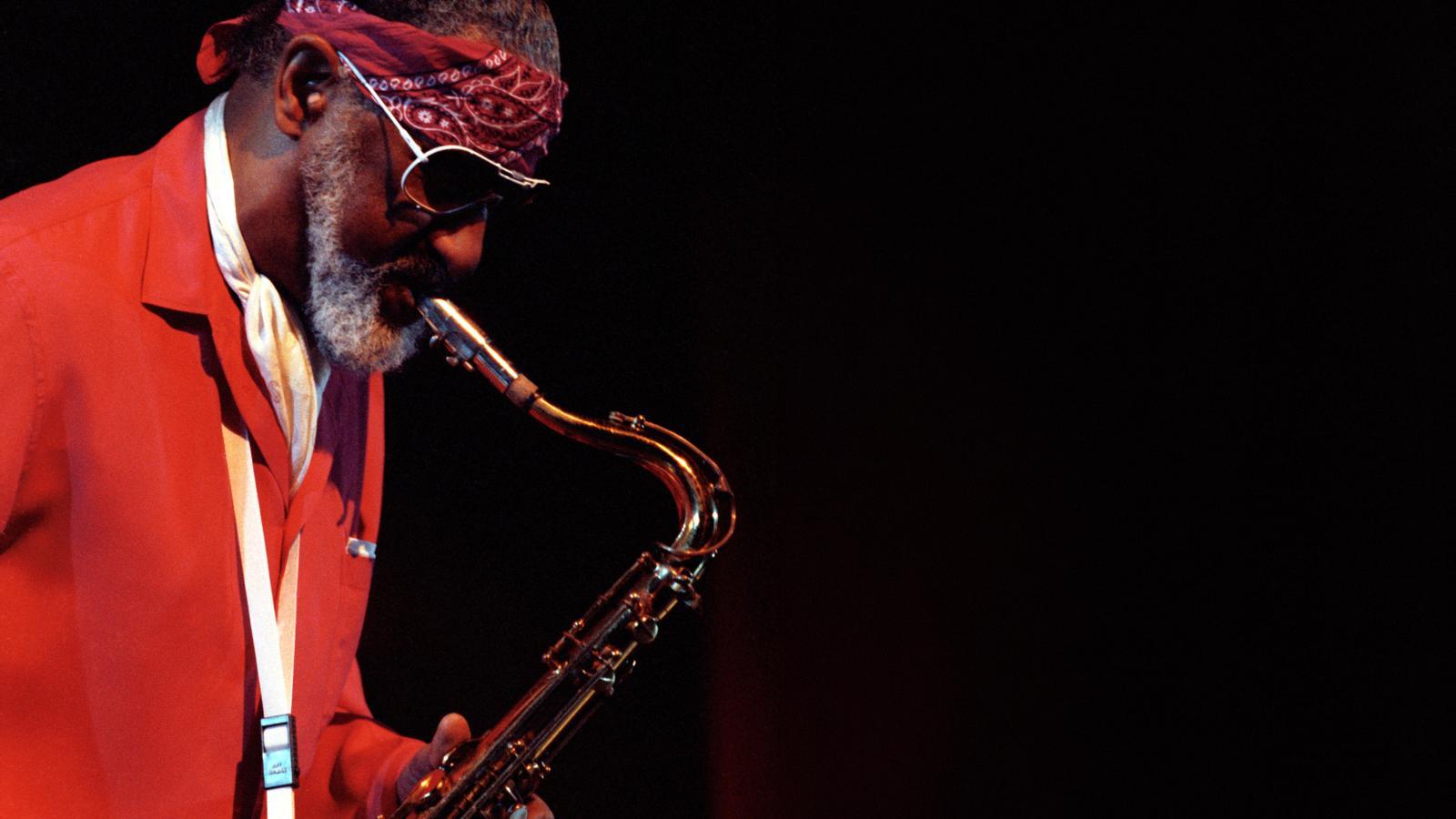
BarcelonaMusician Sonny Rollins, a legendary jazz saxophonist, passed away this Monday at the age of 95 at his residence in Woodstock, New York, as reported by his publicist Terri Hinte in a statement, which was picked up by the Efe agency. Known as the Colossus of the Saxophone, Rollins developed a jazz career that spanned several decades and had its most productive period in the fifties, when he accompanied masters of the genre such as Thelonious Monk, Dizzy Gillespie, Max Roach, and Miles Davis. During that time, Rollins also recorded his most important albums.
Born in Harlem, New York, on September 7, 1930, Rollins was the youngest of three children of a couple of migrants from the Virgin Islands. His start in jazz was first as a pianist and then with the saxophone. The instrumentalist was characterized by being able to emit a sound of "a tone with a light vibrato," according to Efe. Throughout his career, he was compared to Coleman Hawkins, the first great tenor saxophonist in jazz. "The music I play is too big to be classified in any style. Every time I pick up the sax, I want to feel something fresh," Rollins expressed in an interview in 2002.
His first musical opportunities came in the fifties, when he played with prominent jazz artists such as Art Blakey, Bud Powell, and Miles Davis. Rollins, in fact, wrote some of Davis's best-known pieces, such as Oleo and Airegin. Rollins' solos, often marathon and powerful, earned him the reputation of being the best jazz saxophone improviser. A little earlier, things could have gone quite differently for him: in 1950 he was arrested for armed robbery and spent 10 months in prison. "It was a learning space. Prison is a brutal place, but luckily I was involved in music and largely avoided the brutality," he said in an interview with Uncut magazine.
Two years playing on a bridge
In the late 1950s, Rollins spent a very long period practicing in solitude on a windy New York bridge to reinvent his playing style. By then, the musician had already recorded the album Jazz Colossus (1956), but he was still full of self-doubt and doubts about his music. In the summer of 1959, he began playing on the Williamsburg pedestrian promenade in New York. That place became his private rehearsal space. He ended up spending more than two years there, often 14 to 15 hours a day. "I knew I was dissatisfied – he recalled in an interview with The Guardian newspaper in 2022 –. Sometimes I went to the restroom, or to a bar for a cocktail, but then I'd return to the bridge."
The album resulting from that experience, The Bridge
, took his solos and improvisation to another level. A review in Jazz Journal at the time said that Rollins was capable of "extracting the last ounce of meaning from a specific phrase taken from the song's melody." The album also set him on the path to becoming one of the most acclaimed performers of his generation, alongside John Coltrane and Wayne Shorter.
Rollins recorded over 60 albums, performed with bands like the Rolling Stones, and improvised three songs on the albumTattoo You (1981). Later, however, he told the New York Times that he did not identify with the Stones' music, which he considered "just a derivative of black blues." Among his artistic collaborations were those with Don Cherry, Coleman Hawkins, Ron Carter, Herbie Hancock, and Elvin Jones. He was also the composer of the soundtrack for the British film Alfie
, from 1966.

The musician performed on several occasions in Barcelona. In 2010, when he was 80 years old, he was part of the Voll-Damm Festival de Jazz de Barcelona. Two years later, in November 2012, he returned to the Catalan capital with a tour. During a press meeting, Rollins explained that music is his "daily life"Rollins explained that music is his "daily life"The Library of Congress of the United States included in the National Recording Registry in 2017 the album Sonny Rollins with the Modern Jazz Quartet, Moving Out, Work Time, Sonny Rollins Plus 4 and Tenor Madness, and stated: "For saxophonist Sonny Rollins, the recording of Saxophone Colossus did not seem much different from his previous albums. For jazz fans, however, it would become one of the most emblematic albums of his career." After winning two Grammy Awards from the National Academy of Recording Arts and Sciences, as well as a lifetime achievement award from the same institution, a respiratory illness forced him to stop playing. He retired in 2014.
