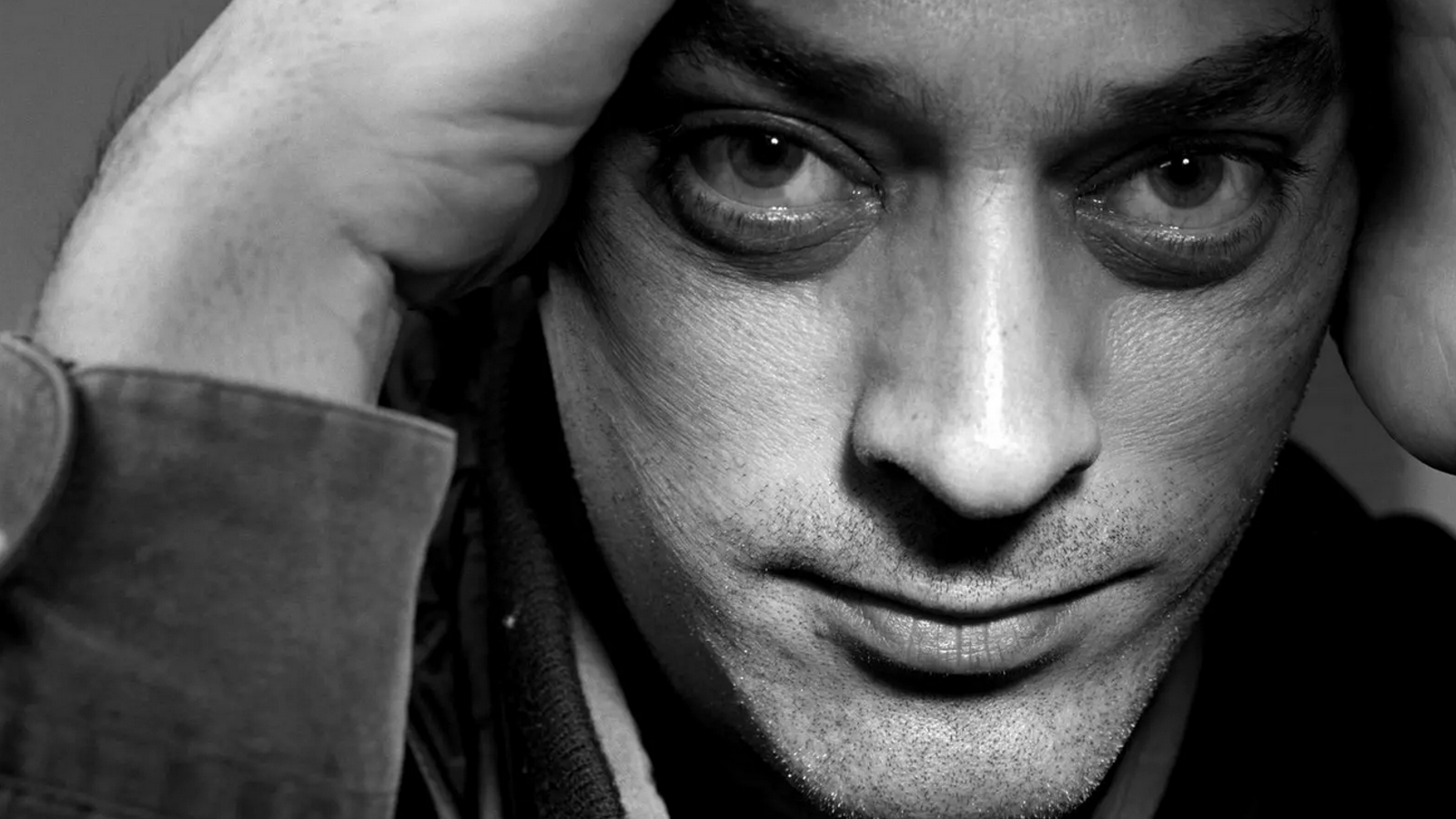
Paul Auster has become a ghost

-
CAT -
CAST
These days of intense heat I have read Ghost Stories, the book that Siri Hustvedt wrote just after the death of her husband, the also writer Paul Auster, with whom she had shared 43 years of marriage (Edicions 62 / Seix Barral; Catalan translation by Jordi Martín Lloret). It is a hybrid book, made up of letters, diary entries and texts by Auster himself, such as the unfinished letters to his grandson Miles, born a few months before the grandfather's death.In the interview that Jordi Nopca gave her when she came to present the book in our country, Hustvedt says she started writing the book the same day as the funeral and finished it in nine months. In the book, she talks about the "third man syndrome", that invisible companion that explorers and climbers notice beside them when death brushes against them, and wonders if there isn't a connection between this presence and the sudden return of the dead. She herself noticed the presence of her husband in the marital bedroom when she lay down on the bed to rest, on her return from the cemetery. And she often explains that she can smell the scent of the cigarettes he used to smoke. Write the dead so as not to let him go
The ghost, in this book, therefore, is not what is frightening: it is what remains. And almost the entire book is an attempt to understand how it remains there. Marriage, Hustvedt writes, is not a machine of reliable repetitions, but a living organism that grows and adapts, like a tree. The death of the other would be a cut branch, but the tree does not die, rather it must reconfigure itself. To survive means to change form, which is what the author attempts through words. Hustvedt and Auster corrected each other's manuscripts, read them aloud before sleeping, and even ended up becoming characters in each other's novels. When you have written yourself into someone, that someone remains alive as long as you continue reading and writing them. Ghost Stories is an act of writing the dead so as not to let them go. Although it can be a comfort, the author misses her husband's body and does not hide one of the harshest aspects of grief, which is the loss of physical contact with the loved one.The book also features other stories of love and loss, which reconfigure the tree of Hustvedt and Auster: the author's eldest son, the deceased granddaughter, the daughter they had in common, the sisters, the young man, the grandson, the friends. Each love is different, writes the author, each love has its own past, its own patterns and its repetitions. She quotes Kierkegaard when he says that "repetition and recollection are the same movement, but in opposite directions, because what is recollected has already been, whereas genuine repetition is recollected forward".Remembering forward is precisely what Hustvedt does and it can hardly be a coincidence (she, a deep reader of psychoanalytic texts) that it took her nine months to write the book: a gestation in which she writes about her dead husband, not to look back, but to give birth to a future in solitude, but now with that third man, the invisible Auster who will walk by her side until her own death.
