Miguel Ángel del Arco Blanco, National History Award for uncovering Franco's lies about the famine
"I am excited because it is a way to dignify all those people who suffered hunger," says the historian
-
CAT -
CAST
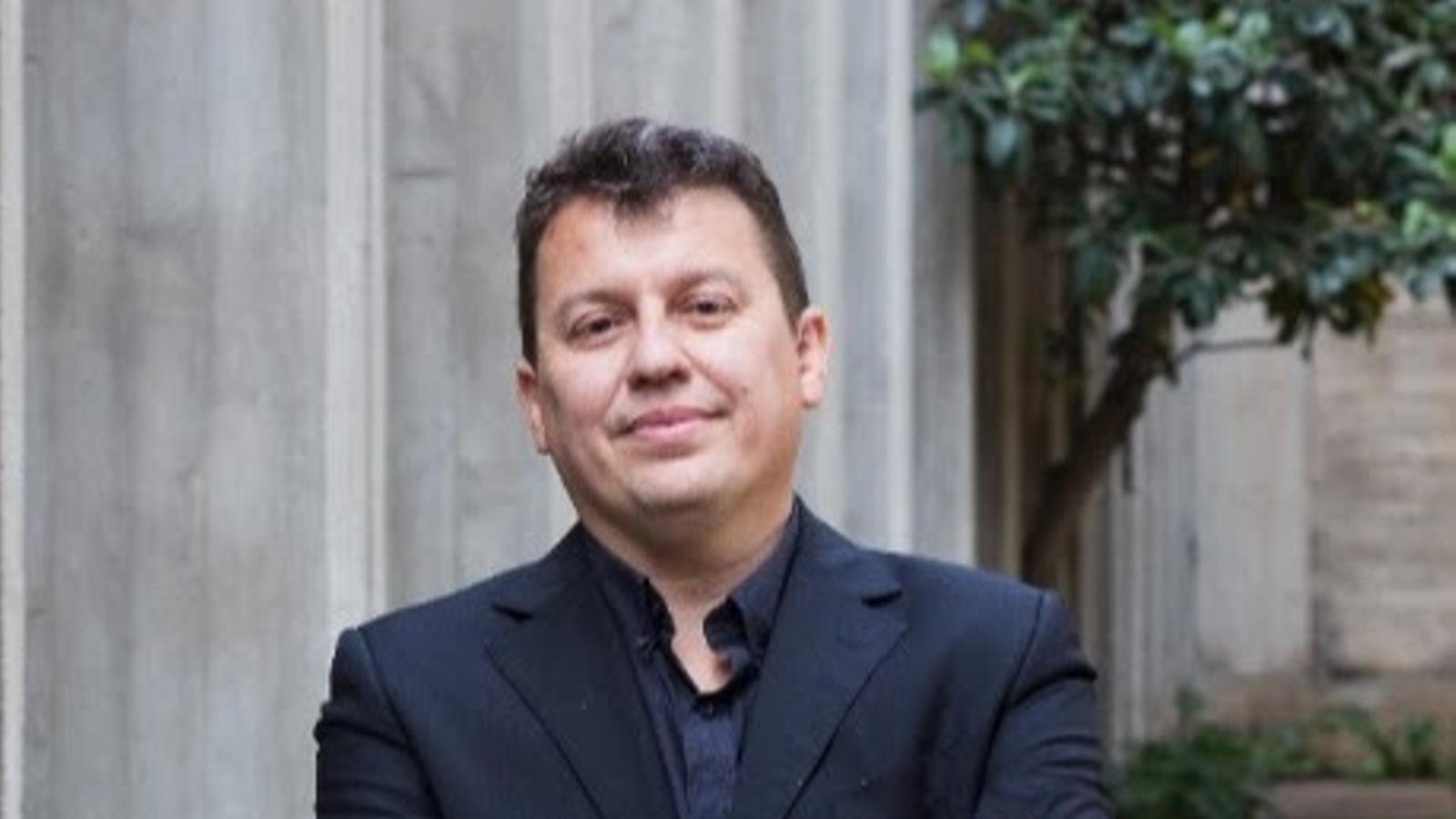
BarcelonaMiguel Ángel del Arco Blanco (Granada, 1978), historian and professor at the University of Granada, has been awarded the 2026 National History Prize of Spain, granted by the Ministry of Culture and endowed with 30,000 euros, for his work The Spanish Famine: Victory and Death in the Post-war Period (Crítica). The award focuses on research that dismantles the official version that the dictatorship spread for decades. In the book, the historian explains how all the great famines of the 20th century are related to political decisions. "In Spain, it was a weapon of war against the defeated," the historian stated to ARA when he published the book.
The historian was informed of the award announcement between classes. "I had completely forgotten that it was being announced today, because I had no hope that they would give it to me, and I am levitating, extremely excited," explains Del Arco to ARA. "I am excited because it is a way to dignify all those people who suffered from hunger; many fought very hard, some made it through and others, unfortunately, did not," says the historian.
It was not easy to follow the trail of the famine in the archives. "The Franco regime hid the figures and falsified the causes of death," asserts Del Arco. There are practically no death certificates where one reads starvation, but rather in most cases they speak of natural death", explained the historian, who calculated that between 1939 and 1942, 200,000 people died of hunger in Spain. "It was a political decision, because they could have been avoided," he reiterates. The work also dismantles point by point the myths that have persisted for decades: that the famine was a direct consequence of the war, the drought, or international isolation.
Del Arco is also the author of Crosses of Memory and Oblivion. The Monuments to the Fallen of the Spanish Civil War (1936-2021) (Crítica), where he explains how, through monuments in public space, Franco manipulated memory. "Francoism wanted to build a single memory and that is what we should not do now. The dictatorship wanted the same message, without nuances, without territorial differences or interpretations of the Civil War," asserted the historian, who was very indignant last August because his research, where he precisely denounces how Francoism appropriated a symbol of Christianity, had been used to initiate the file to declare the Cross of the Fallen of Cáceres a Good of Cultural Interest.
"My thesis in the book is clear: they must be removed from the public space. Therefore, that they use my name in the annex to endorse their decision is an absolute misrepresentation. It is a lack of respect for knowledge and academic work. I would like them to cite the exact page where I say what they claim I say", stated the historian, who has already initiated different actions against this use of his work.
