An entertaining tribute to the founders of the Lliure
Miquel Mas Fiol recovers the spirit of 'La bella Helena' that Pere Planella directed in 1979 at the Gràcia theater
-
CAT -
CAST
- Dramaturgy and stage direction: Miquel Mas Fiol, based on the operetta by Jacques Offenbach
- Musical direction: Pablo Ruz
- Cast: Sergi Boqué, Jordi Cornudella Heras, Gerard Franch, Carme Milán, Lluís Oliver, Mel Salvatierra
- and Núria Vinyals Mañarikua
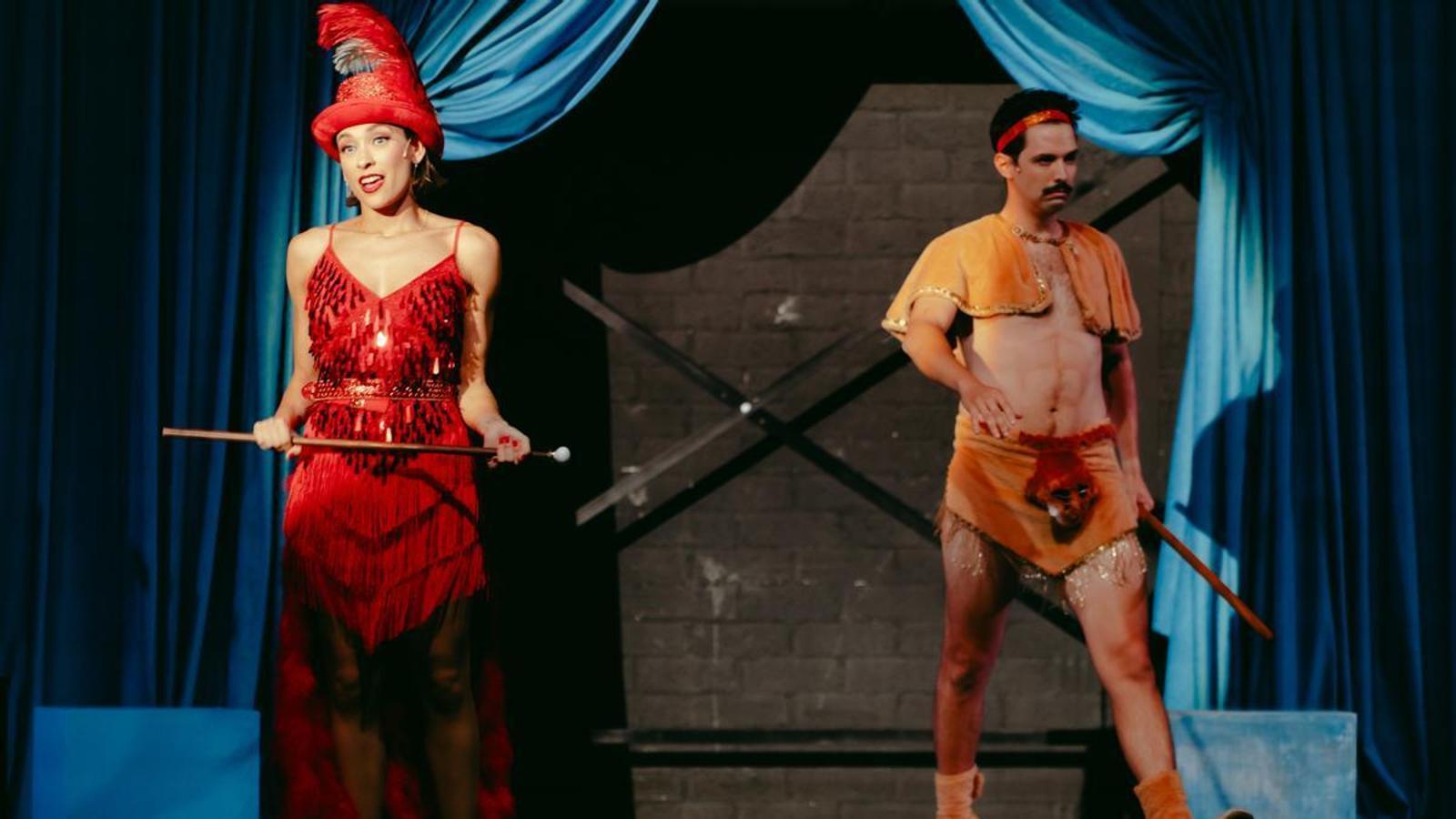
The premiere of La belle Hélène at the Teatre Lliure directed by Pere Planella in 1979 constituted the first great popular success for the company that had opened the Gràcia theatre three years earlier with Camí de nit. Miquel Mas Fiol's proposal which commemorates the fifty years of the Lliure moves away from Offenbach's operetta to build a heartfelt and quite entertaining tribute to the founders and their way of working and living theatre.
In search of the groundbreaking and libertarian spirit of the seventies, the company directed by Mas Fiol has camped out for 39 days at the theatre, validating Fabià Puigserver's phrase: “What can you expect from some uncontrollable people who make theatre a way of life and the workplace their own home”. As the title seems to indicate, La belle Hélène is the vehicle and the pretext to explain many more things than the love affair between Paris and Helena in classical Greece. Things about theatre people and also about the history of the Teatre Lliure with a stick puppet theatre in which we find, everything seems to indicate, the only presence that Lluís Pasqual will have in the anniversary of an adventure that he built and directed.
The play begins with a somewhat conventional critique of the current theatre being done in the country with an unnecessary allusion to an actress; it continues by showing the personalities of the performers, their desires and dreams, their disputes, all accompanied by a host of references, including wild imitations of the 1979 version and its performers, and laced with some musical fragments from the original. A hodgepodge of scenes with a structure and actions that very much recall the style of La Cubana but are much more disorganized, although the actors and actresses know how to win over the audience, whom they make participate from the beginning (applauding the couple who arrive late) to the end (to bid farewell to the improvised galley that takes Paris and Helena towards Troy). The show blatantly seeks the laughter of the spectators and, although it does not always achieve it, the whole is pleasant and entertaining, like much of the theatre that is made now. In a very passionate cast, the solvency and charisma of Carme Milán and Mel Salvatierra stand out.
