Who is and where has Dr. Schär come from? The Italian king of gluten-free products
In Spain, the company has one of its strategic points in Alagón, in Zaragoza
-
CAT -
CAST
In supermarkets, the gluten-free products section is becoming easier to find. Among pasta packages, sliced bread, cookies, flours, pizza bases, and muffins, one color often dominates: the intense yellow of Schär packaging. The image contrasts with the reality of just a few decades ago, when following a gluten-free diet meant navigating pharmacies, health food stores, specialty shops, and homemade recipes based on rice, corn, or potato. Before these products occupied entire shelves, celiac people had to fend for themselves in a market with very little supply.
Today, however, the gluten-free segment is already a global industry. According to Fortune Business Insights, this market was worth 8.12 billion dollars in 2025 and could reach 18.67 billion in 2034, with annual growth close to 10%. The expansion is not only explained by the increase in celiac diagnoses but also by the normalization of this label in supermarkets, restaurants, and in the consumption habits of many people who have incorporated these products into their diet.
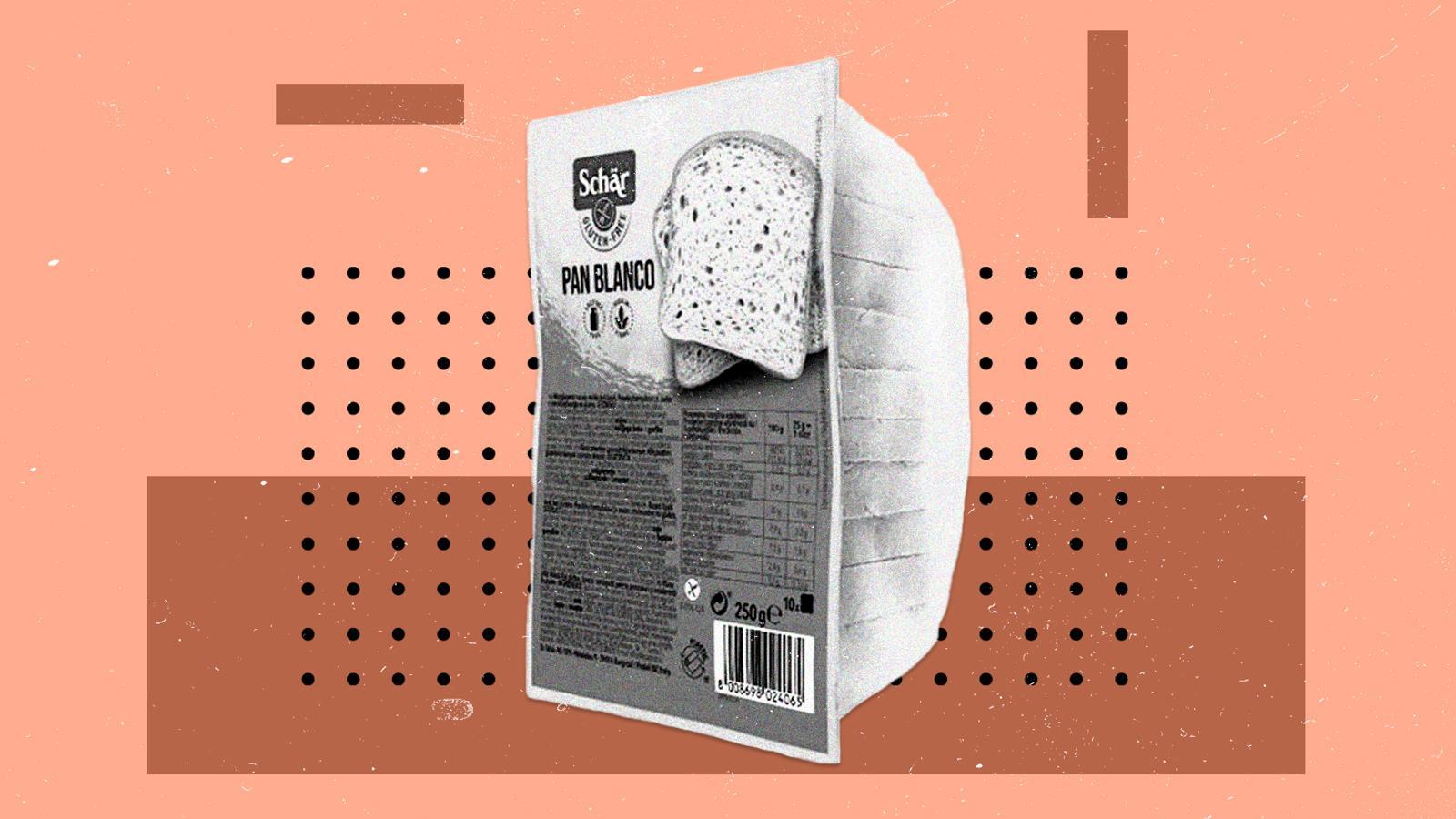
In this changing landscape, one brand has emerged as the major European reference in the sector: Schär. In 2025, the Italian group that controls it, Dr. Schär, had a turnover of 632 million euros, 1.3% more than the previous year, after having grown by 11% in 2024. In Spain, the company has one of its strategic points in Alagón, Zaragoza, where it has its headquarters for the Iberian Peninsula and a plant specialized in gluten-free bread and pastries for international markets.
The importance of this factory has been reinforced in recent years. In 2024, Dr. Schär invested 17 million euros to launch a new sliced bread line, the third in the plant, creating about thirty new jobs. From Alagón, its products reach more than 80 countries, and in the case of gluten-free cereal sliced bread, 85% of the production is exported. By 2026, the group plans to invest another 28 million euros in Italy, Spain, and Germany to strengthen local production in these strategic markets. But how was the empire of the celiac born?
The origin: a semolina
The story of Dr. Schär begins in 1922 in South Tyrol, in a Europe still marked by the consequences of the First World War. That year, physician Anton Schär and his brother-in-law Gottfried Untertrifaller, a mill owner, launched an enriched wheat semolina designed to combat childhood malnutrition. It wasn't yet a gluten-free brand as we understand it today, but it did position the company in a field it would never abandon: that of food designed to meet specific nutritional needs.
The business grew and expanded its range with products such as rice and tapioca cream, easily digestible vegetable foods and, in some cases, naturally gluten-free. That first catalog responded to a very different context from the current one: it did not yet speak the language of mass consumption, but that of diet, digestibility, and specialized nutrition. The definitive transformation arrived half a century later, when a young entrepreneur from the same territory saw a new opportunity in that legacy.
A resurrected brand
This young man was Ulrich Ladurner. In the late seventies, he obtained authorization to use the name Dr. Schär for a brand of natural health-oriented foods, and in 1981 he launched Schär as a brand specializing in gluten-free products. At a time when celiac disease was still not widely recognized and industrial alternatives were scarce, the company began to develop pasta, bread, and baked goods in collaboration with doctors and celiac associations.
In the nineties, Schär consolidated its leadership in Italy and began its European expansion, entering markets such as Spain, France, the United Kingdom, and Germany. The company moved to Burgstall, in South Tyrol, and gradually became an international group for specific nutrition. When it celebrated its centenary in 2022, it already had 18 production and distribution plants in 11 countries and 1,800 employees.
- 1922 Doctor Anton Schär and Gottfried Untertrifaller launch an enriched wheat semolina in South Tyrol to combat child malnutrition after World War I.
- 1979 Ulrich Ladurner obtains authorization to use the name Dr. Schär for a brand of natural health-oriented foods.
- 1981 Schär officially enters the market as a brand specializing in gluten-free products.
- 1985 The company presents its first gluten-free pasta, developed in collaboration with doctors and celiac associations.
- 1990 Schär consolidates its leadership in Italy and begins European expansion, entering markets such as Spain, France, the United Kingdom, and Germany.
- 2003 Dr. Schär opens its own research laboratory in Trieste to develop products and knowledge on gluten-free nutrition.
- 2022 The group celebrates its centenary with 18 production and distribution plants in 11 countries and 1,800 employees.
- 2024 Dr. Schär has a turnover of 624 million euros, an 11% increase, and invests 17 million in a new sliced bread line at the Alagón plant in Zaragoza.
- 2025 The company increases its turnover to 632 million euros and consolidates its international growth.
- 2026 The group plans to invest 28 million euros in Italy, Spain, and Germany to strengthen local production.
