When personal data decide the price of your purchase
Large multinationals bet on a system in which the algorithm seeks to charge you the maximum that you are willing to pay

-
CAT -
CAST
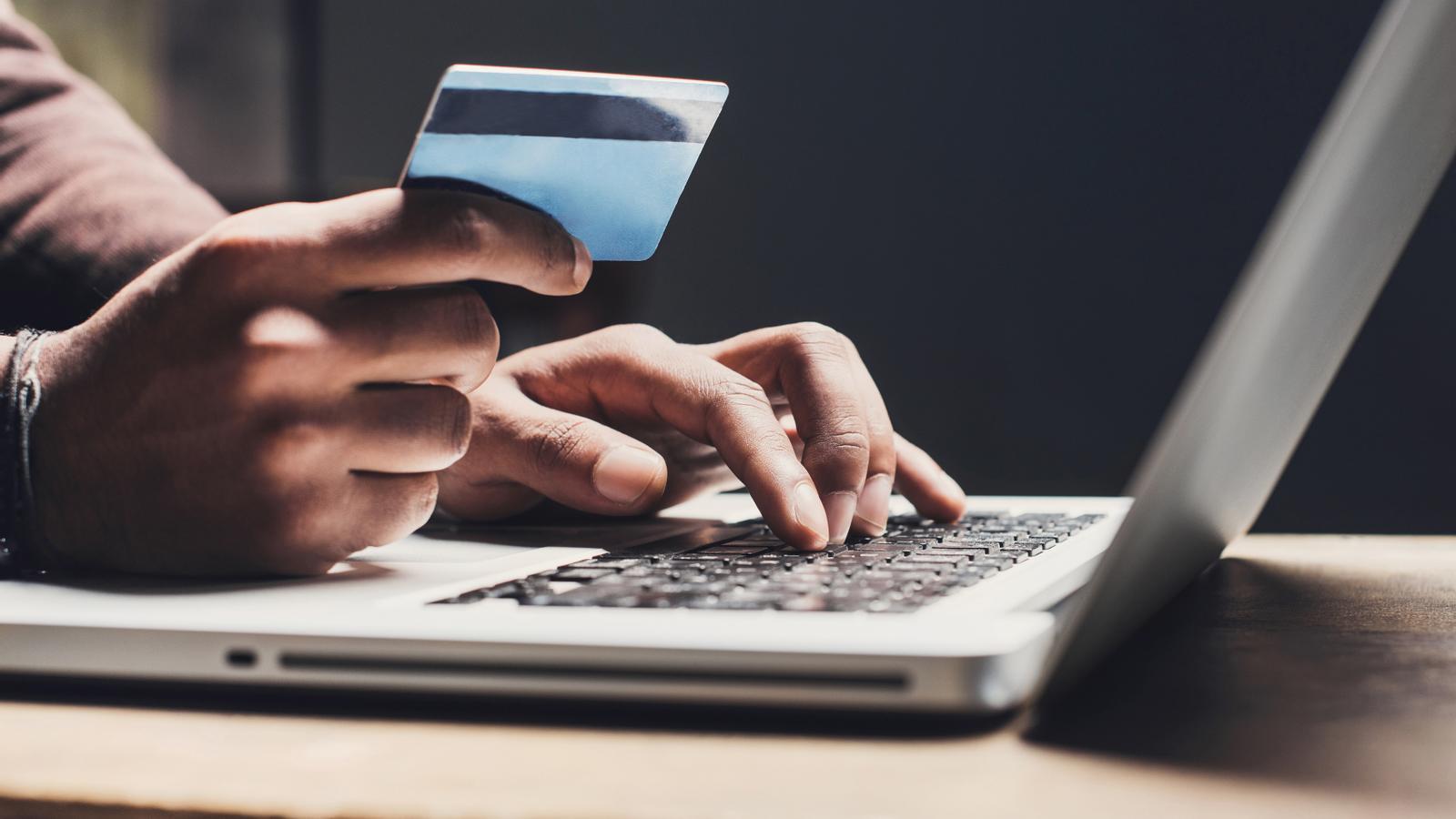
BarcelonaImagine entering the website of an appliance store to buy a refrigerator. The company, through your personal data, knows if you live in a rented property or if you own your home, detects your zip code, and recognizes if you have children. It also knows what you do for a living, what brand your mobile phone is, and how many times a month you go to a restaurant. Taking all these variables into account, it shows you a price just for you, different from what might appear to the neighbor next door or your friend who lives three streets away. In the end, the goal is to charge you the maximum amount you are willing to pay for a product according to the calculations of an algorithm. It is what is known as surveillance pricing.
That prices vary on the internet is not new. Without going any further, buying plane tickets on different days or time slots can mean significant differences: it is what is known as dynamic pricing. In these cases, the cost of a good or service depends on supply and demand and is the same for all individuals despite the fluctuations. Surveillance pricing, on the other hand, goes further: they are personalized figures calculated by an algorithm based on personal data.
This practice, widely widespread in the United States, has been raising dust since the mandate of former President Joe Biden. In a context of rapid expansion of artificial intelligence, a report by the American Federal Trade Commission (FTC) published in mid-2024 raised the first alarms. The document pointed out that some companies may have analyzed individual behaviors – such as mouse movements on a webpage or items abandoned in an online shopping cart – to set prices in a personalized way.
Since Pandora's box was opened, Democratic states such as California, Illinois, and New York have worked to introduce legislation at a federal level to ban personalized prices decided by algorithms. Maryland, also with a Democratic majority, has become the first territory that, starting next October 1st, will financially sanction companies that apply this practice.
Protection in the EU
Unlike the United States, the degree of protection in the European Union is much higher. Although surveillance pricing is not explicitly prohibited, regulation on the Old Continent poses more restrictions. On the one hand, Article 22 of the General Data Protection Regulation only authorizes the creation of individualized profiles if it is strictly necessary for the performance of a contract, if it is supported by the legislation of a member state, or if the affected user gives their explicit consent. In this context, the European directive on consumer rights also comes into play, which requires companies to inform their consumers if the prices offered to them are personalized.
Despite everything, the European Union has registered several cases in which surveillance pricing has been used. One of the most high-profile involved the online dating platformTinder: at least during 2022, the company applied different prices to users in Sweden and the Netherlands without informing them. Among the infringements, the application offered lower prices for premium services based on the age of the registered individuals. According to data collected by consumer associations, Tinder went as far as offering 36 different prices for the same service, multiplying the highest amount by 12 compared to the lowest. Brussels has also detected breaches by multinationals such as Uber or the e-commerce site Wish.
And although the restrictions in the EU are more robust, the European Consumer Organisation (BEUC) warns: "All the identified companies are very large and operate throughout the EU territory; therefore, that they have been applying surveillance pricing in different member states means that millions of consumers have likely been affected," points out the legal officer of the BEUC, Urs Buscke, in statements to the ARA.
Unfortunately, some companies exploit the cracks in the current system and place the responsibility on the consumer to prove whether their rights have been violated. The BEUC recommends, for example, comparing prices on the same platform between different family members if there is a suspicion that the rates are personalized. It is in this scenario that the digital fairness law takes on special importance, a European initiative aimed at updating European consumer legislation within the new environment of the digital economy. "We believe that the next digital fairness law should serve to prohibit price fixing based on surveillance," argues Buscke. Ultimately, this practice is at the intersection of two things people hate: feeling watched and feeling scammed.
