Housing, a true emergency

-
CAT -
CAST
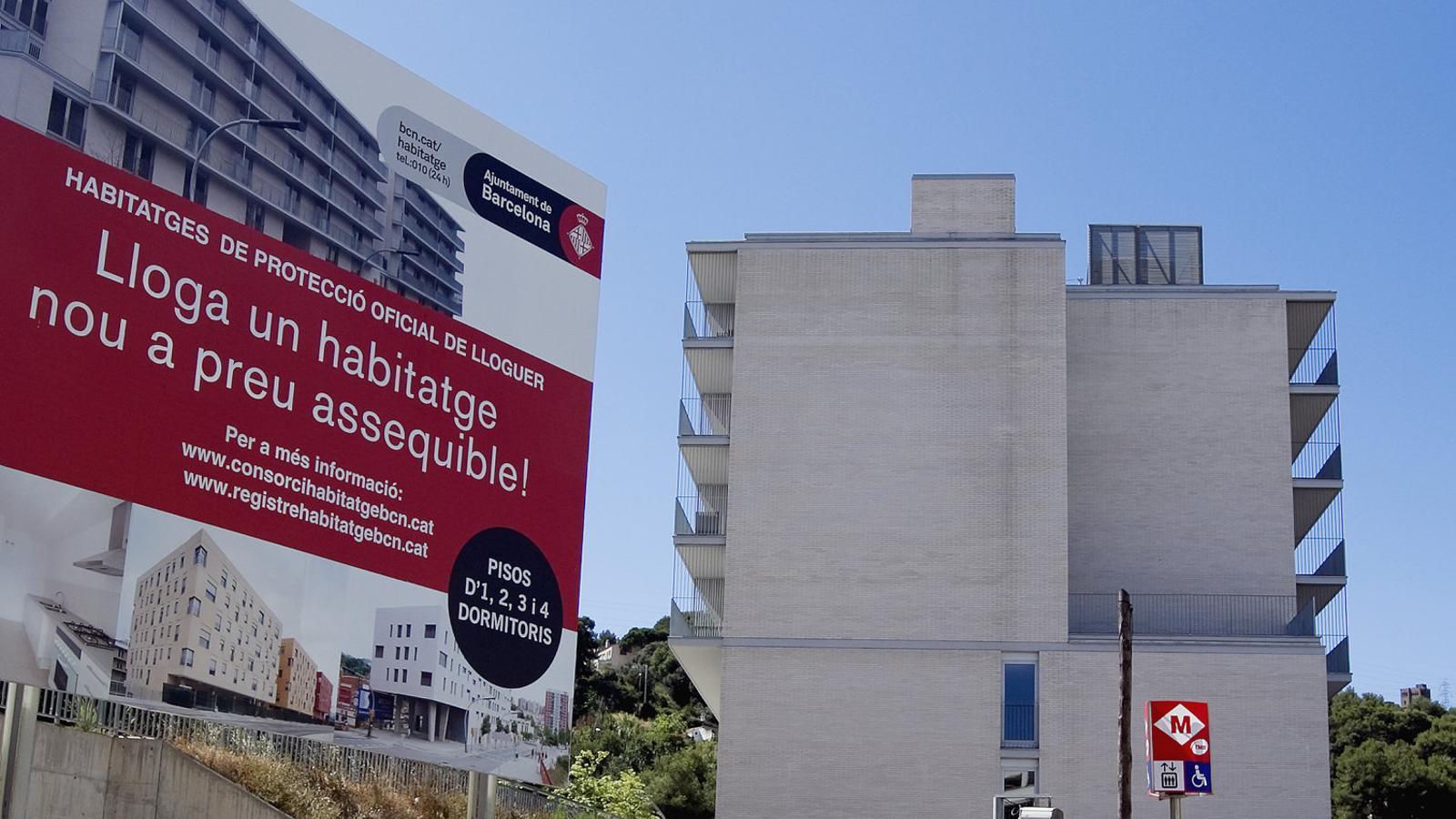
BarcelonaA few days ago, the governor of the Bank of Spain, José Luis Escrivá, warned that housing is a true national emergency. He is not wrong. This problem, which is a growing concern for citizens, has become the main source of growth in social inequality. Whichever data you look at, the diagnosis is always the same: there is more demand than supply, expensive and practically inaccessible for a large part of the population. And of the supply that exists, some is in the hands of non-residents or are apartments used for tourist rentals. In total, there are about 900,000 across the country, according to data from the Bank of Spain.
The Barcelona Chamber of Commerce has been the one to put a more recent figure on the problem, through the traditional Economic Report of Catalonia: Since 2021, 200,000 new households have been created in Catalonia, while only about 60,000 new homes have been completed. This means there is a deficit of about 140,000 homes. And one of the problems is that not all of them are apartments that have not been built.
The truth is that they exist, meaning they don't all need to be built, but part of the supply is not intended to meet the demand for stable residential rentals or for purchase by those who want to set up a home to build a life project. Not only entrepreneurs or large funds find tourist apartments a more profitable avenue, but also small owners. Information from ARA revealed this week that in 10 years, Catalonia has added more than 320,000 beds in tourist apartments, representing an increase of 123% in 2025 compared to 2015.
And another notable aspect is that this quantity represents 91% of the total beds for tourist use, meaning from hotel rooms even to campsites. And this has led to dwellings intended for tourist use skyrocketing to represent almost half of all tourist supply, while ten years ago it was only 29.9%. They are probably not a high proportion of the total stock of apartments, but they are of the flow of their uses in recent years.
Faced with a situation like the current one, one of the few solutions, if not the only one, is that politics must serve to solve problems. One way, call me naive in the current circumstances, would be a grand pact of all administrations to facilitate as much as possible the supply to adjust to demand. To build more and under more affordable conditions. Because that is indeed a true emergency.
