Havaianas, or how to invoice 741 million euros selling flip-flops
The company sold 228.7 million pairs during the last year
-
CAT -
CAST
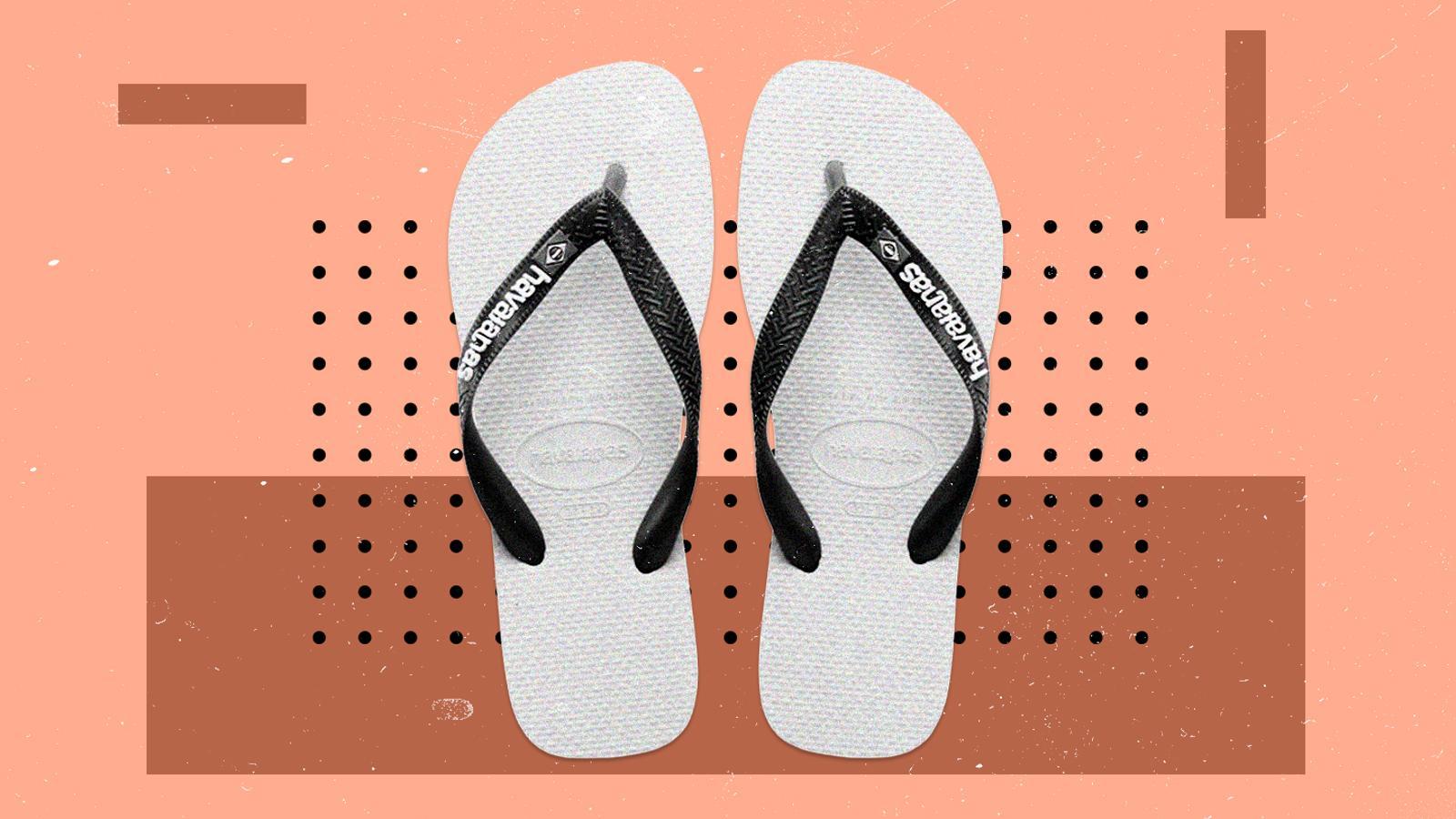
Let's place ourselves in the center of São Paulo, in Brazil, in mid-1962. Driving there is not easy: buses, taxis, motorcycles, and fuscas –as Brazilians call the Volkswagen beetles– fill the streets. On the sidewalks of the mythical Viaduto do Chá, Praça da Sé, and São João Avenue, pedestrians weave their way between offices, shop windows, banks, cinemas, and cafes. The city is bustling. It grows upwards, with ever taller buildings, and also outwards, with new neighborhoods that spread at the increasingly frenetic pace of factories, which constantly seek labor.One of these companies is Alpargatas. Its roots come from afar: from a sandal business that the Basque Juan Echegaray and the Scotsman Robert Fraser had launched in Argentina at the end of the 19th century. In 1907, that factory of popular and affordable footwear landed in Brazil with the creation of Sao Paulo Alpargatas. For decades, espadrilles, canvas shoes, and other products designed to shoe the working class of a growing country came out of its factories.In 1962, however, the company began to produce a new model. It was not a sandal; nor was it a closed shoe. It was a rubber sandal, with a white sole and blue straps, inspired by Japanese zori and adapted to a hot, immense, and unequal country. It was cheap, resistant, and easy to mass-produce. It did not aim to be aesthetic: above all, it aimed to be comfortable for walking. Today, more than six decades later, that product continues on the market under a brand that is already part of the global summer imaginary: Havaianas. In 2025, the brand generated approximately 741 million euros and concentrated almost all of Alpargatas' business. The company sold 228.7 million pairs in one year, of which more than 23 million were in international markets, such as Catalonia. What was born as a simple flip-flop for daily Brazilian life is today a brand present in more than one hundred countries. But how did it come to conquer the summer for so many people?A flip-flop for the popular classes
The idea of Alpargatas worked right away. In less than a year, the company was already producing more than 13,000 pairs of Havaianas a day. The product fit the moment: it was cheap, it withstood the heat, and it could be sold everywhere. The flip-flops began to circulate in neighborhood markets, in the streets of big cities, and in the villages of the interior of the country.Distribution also helped to make them a ubiquitous object. In the mid-sixties, street vendors roamed Brazil in Volkswagen Kombi vans loaded with pairs of Havaianas. They reached neighborhoods and municipalities where specialized stores were far away, making that rubber sandal easy to find and even easier to buy.For years, Havaianas were just that: popular, practical, and unpretentious footwear. They were worn by workers, families, children, and the elderly. They were used for going to the market, for staying at home, for walking on the street, or for stepping on the sand. They were not a fashion symbol, but quite the opposite: a product so everyday that it seemed to have no brand.Beans, rice… and Havanaias
In the eighties, Havaianas were already everywhere. The Brazilian government even included them among essential products, alongside basic goods like rice and beans, in policies to control inflation. But the massive success also had a downside: for decades, they were seen as cheap footwear for the popular classes, to the point that they were called chinelo de pobre
(poor person's flip-flop). The change arrived in the nineties. With sales declining and the brand stuck with an image that was too humble, Alpargatas began to sophisticate the product: first with new models and colors, and then with the launch of Havaianas Top, in a single color, inspired by the use some young people made of turning the sole inside out to show the colored part. The company invested in advertising, signed up celebrities, and turned the flip-flop into an accessory with its own identity.The Brasil model, created for the 1998 World Cup with a small flag on the strap, helped to internationalize the brand, which from the 2000s onwards entered fashion stores, collaborations with designers, and markets worldwide. In 2017, Alpargatas changed ownership and passed into the hands of a group of Brazilian investors, but Havaianas continued to be its great driver. By 2025, the brand already represented 98.9% of the group's turnover, with more than 228 million pairs sold.
