Mo Amin, the photojournalist who forced the world to look towards Africa
Nairobi commemorates the 30 years of the disappearance of this Kenyan photographer with an exhibition

-
CAT -
CAST
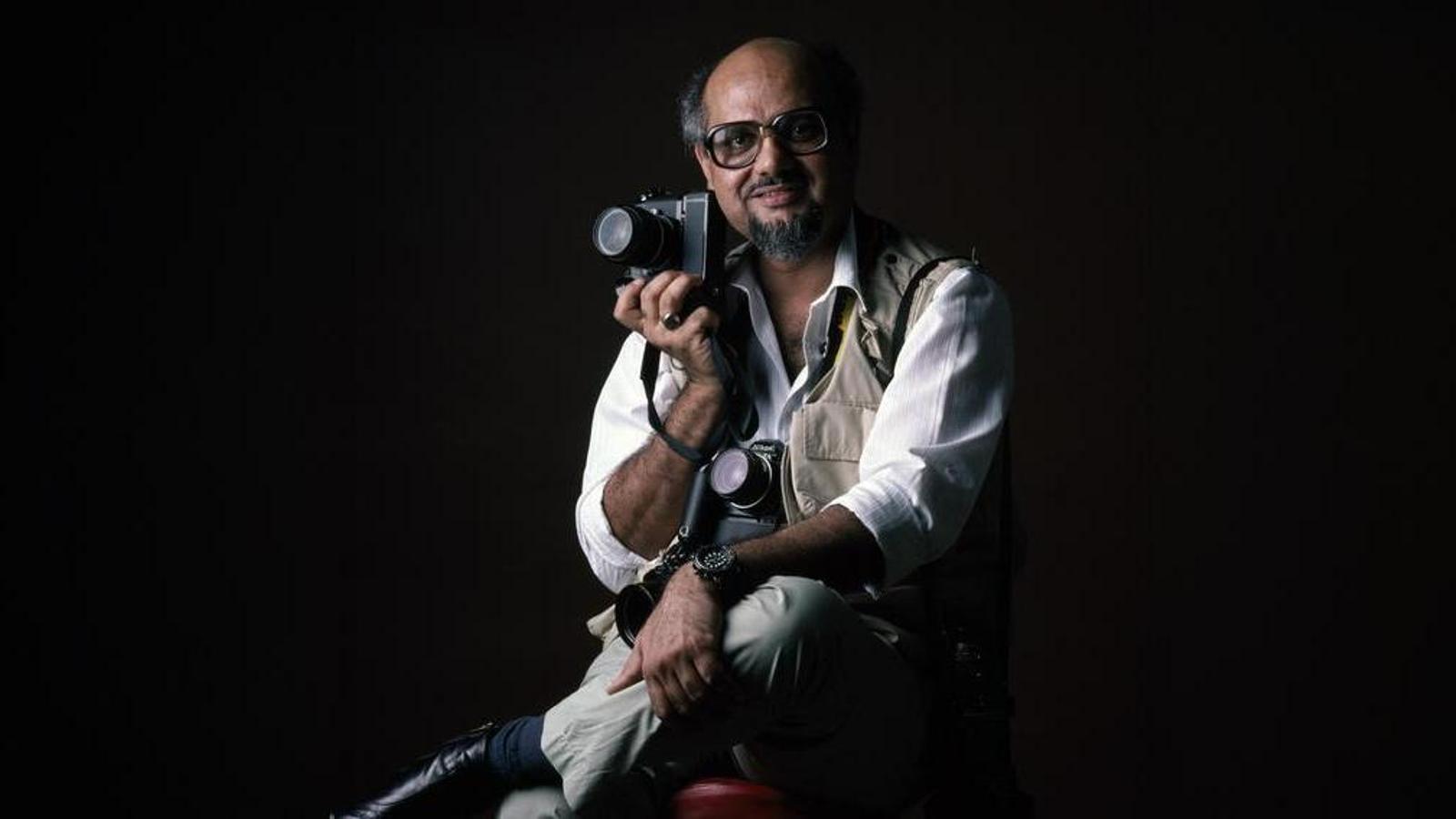
BarcelonaNovember 1996. An Ethiopian Airlines Boeing 767 crashes into the waters of the Indian Ocean following a hijacking. One of the passengers is Mohamed "Mo" Amin. In that instant, the career of the most influential photojournalist in the history of Africa was extinguished. Born in Nairobi in 1943 into a humble family of Punjabi descent, Amin fell in love with photography at the age of 11. Over three decades of his career, his gaze was our own on the front line. The founding of the independent agency Camerapix, in 1963, broke the monopoly of the great Western powers over the continent's narrative. From Nairobi, Amin demonstrated that globally impactful information could be produced and distributed with rigor, independence, and own resources from within Africa itself. From the Camerapix office, he uncovered Soviet camps in Zanzibar, filmed the assassination of Tom Mboya, gained exclusive access to Idi Amin, and in 1984, his footage of the famine in Ethiopia shocked the planet and mobilized the largest humanitarian aid campaign of the 20th century. Neither torture nor the loss of his left arm in an explosion kept him from his craft. Today, his archive of 8.5 million images asserts that Africa is not just a tragedy, but a living continent of tradition, beauty, and complexity.


