What role will women referees have in this World Cup?
After the discouraging precedent of Qatar, Tori Penso and Katia García are ready to lead matches

-
CAT -
CAST
BarcelonaWomen's refereeing will once again have a presence in a men's World Cup. FIFA has included six women in the group of 170 referees called up for the tournament: two main referees, three assistants, and one VAR specialist. The focus is particularly on the two main referees: American Tori Penso and Mexican Katia García. Both come from host countries and face the most demanding challenge of their careers in men's football.
Tori Penso, the experience of women's football
At 39 years old, Tori Penso is one of the most prestigious referees in women's football. Her big moment arrived at the 2023 Women's World Cup, when she was designated to officiate the final between Spain and England. In men's football, however, her career is much more limited. This season she has only officiated one Concacaf Champions League match, between Cruz Azul and Vancouver Whitecaps. Penso also participated in the last two editions of the Club World Cup. In the 2025 edition, she officiated two group stage matches – Al-Ain vs. Juventus and Borussia Dortmund vs. Ulsan – but did not receive any designation for the knockout stages. However, this Thursday the 18th, Penso will debut in the men's World Cup by refereeing the match between the Czech Republic and South Africa, assisted by her also North American colleagues Brooke Mavo and Kathryn Nesbitt.

Katia Garcia, the great Mexican bet
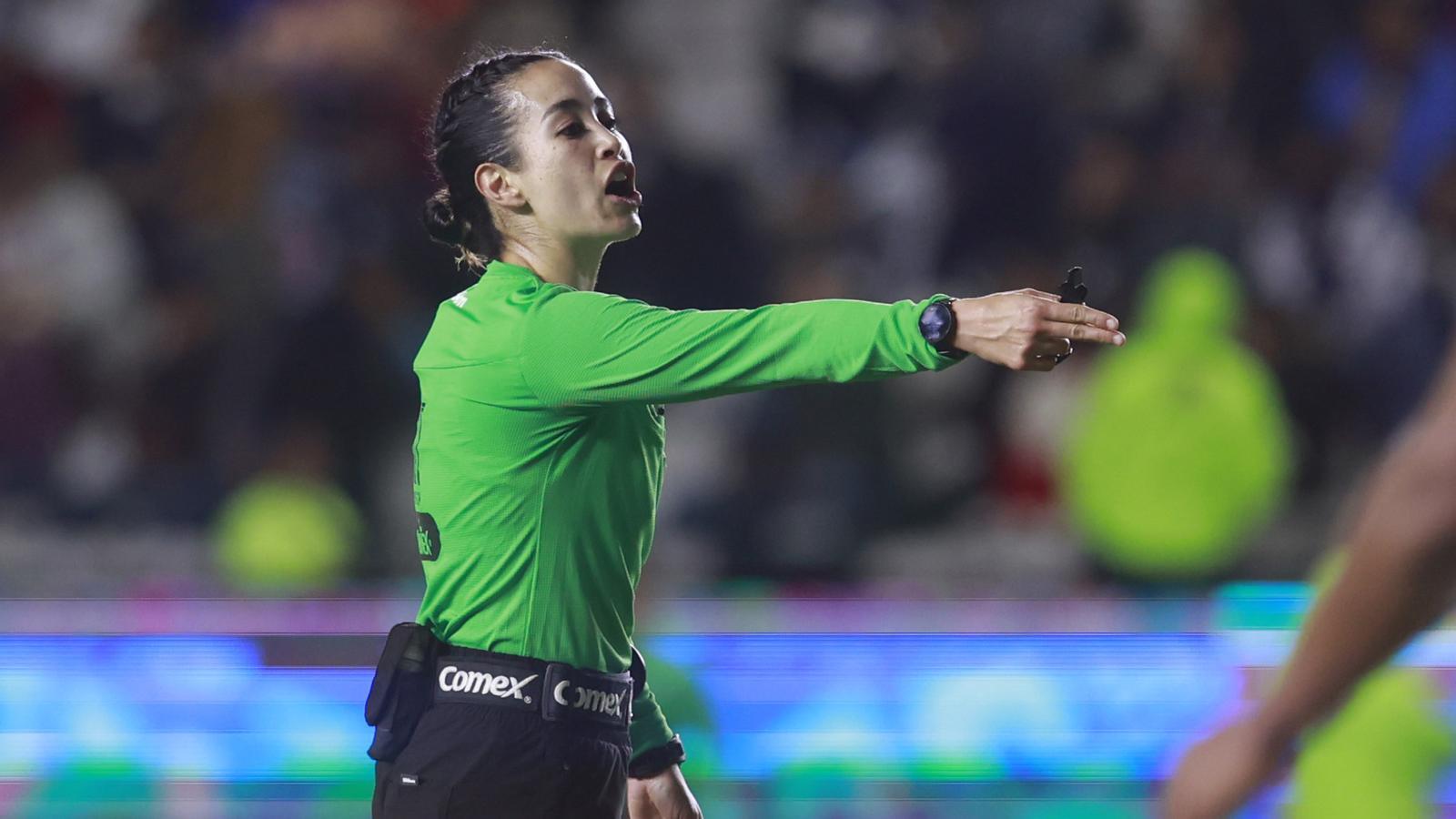
Mexican Katia García is the youngest referee among the 52 main officials called for the World Cup. With only two years of experience in the First Division and without having officiated relevant matches in her country's league, she represents one of FIFA's most unique bets. Her international record in men's football is still limited. This season, she has only officiated one match in the Concacaf Champions Cup, between Pumas UNAM and Cincinnati.
García, a graduate in political science and public administration, has become one of the most visible faces in Mexican refereeing. In 2024, she received the National Sports Award, one of the most important recognitions granted by the Mexican government.
What prominence will they have?
Beyond Perso's debut on Thursday, the big unknown is what role FIFA will reserve for the two female referees during the tournament. Precedents call for caution. Despite the symbolic importance of their call-up, both Penso and García arrive at the World Cup with much less experience than most of the selected male referees. For this reason, it is unlikely they will be assigned to officiate advanced knockout stages of the tournament. The decision rests with Pierluigi Collina, the head of FIFA's refereeing. The most realistic prediction is that the Italian will only assign them to a group stage match involving less high-profile national teams.
The Qatar precedent
At the Qatar World Cup, FIFA announced with great fanfare the call-up of three main referees: France's Stéphanie Frappart, Rwanda's Salima Mukansanga, and Japan's Yoshimi Yamashita. Everything pointed to a paradigm shift and a definitive boost for women's refereeing, but the development of the competition ended up leaving questions. Matchday after matchday, none of the three officials received that historic appointment everyone was waiting for.
It seemed that FIFA was reserving the women's debut for the third matchday of the group stage, traditionally the most conducive for appointing referees with less experience in high-stakes matches. The problem is that the planned script was broken: none of the twelve groups mathematically reached the final matchday resolved, and there was no truly inconsequential match. Media pressure was mounting, and FIFA found itself in an uncomfortable situation. Finally, the organization opted for Stéphanie Frappart to officiate Costa Rica-Germany, becoming the first woman to referee a men's World Cup match. She was accompanied on the sidelines by Brazil's Neuza Back and Mexico's Karen Díaz, two assistants who were not part of her usual team, a rare circumstance in a competition where refereeing teams usually work together for years.
Frappart made history in Qatar, but that appointment did not have the continuity that many predicted. Since then, her presence in the elite of men's football has been very limited, as she has only officiated one Champions League match and was not called up for the Euro. Yamashita and Mukansanga left Qatar without having refereed any matches. Four years later, their participation in the World Cup continues to seem more like an exception than the start of a structural change.

