The prohibitive tickets have come to stay
The club will maintain high prices to watch the matches at the Camp Nou

-
CAT -
CAST
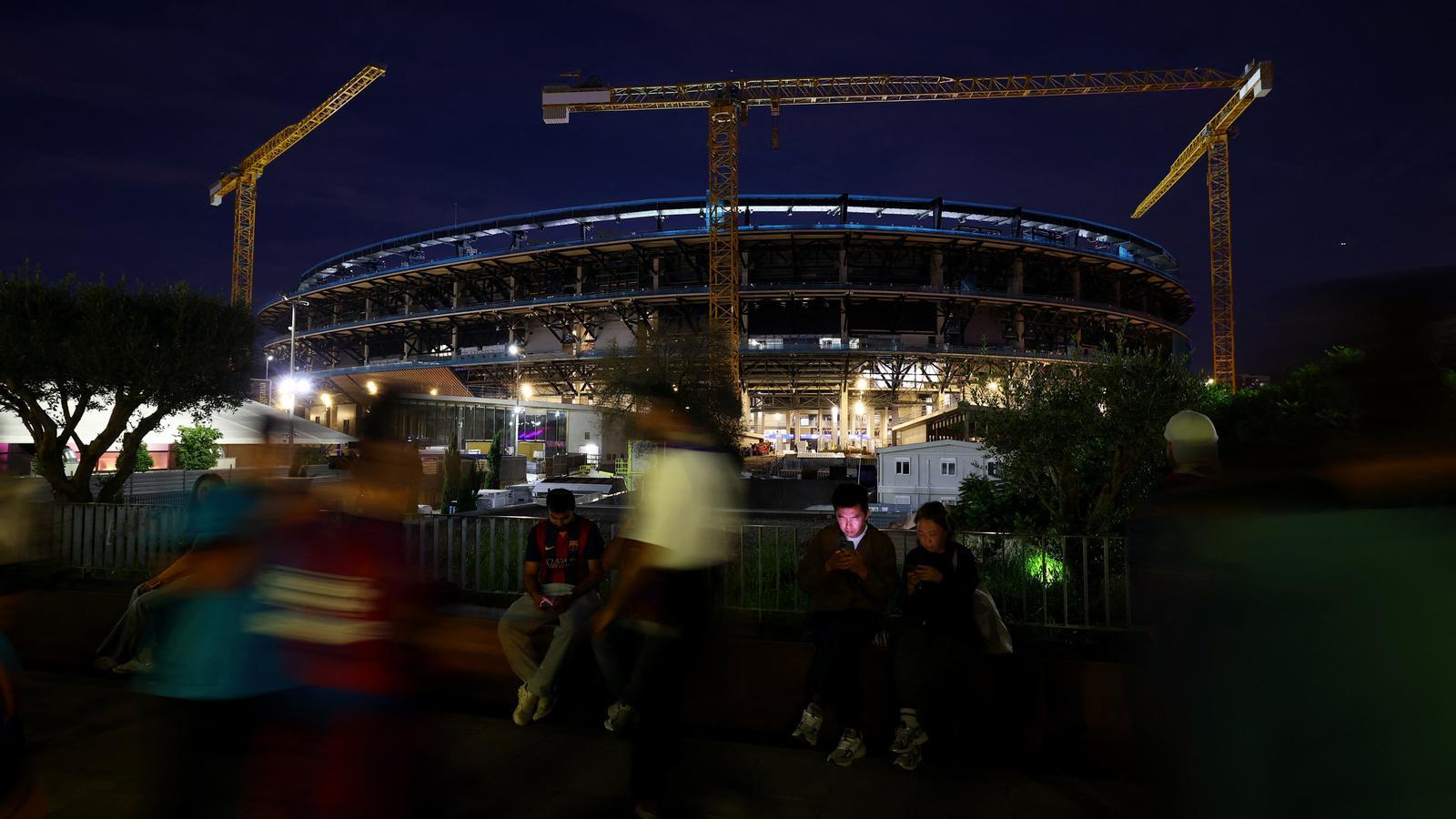
BarcelonaWith 19.1 million in revenue from ticket sales, Sunday's Barça-Madrid El Clásico became the highest-grossing match in Camp Nou history. Never before had a single match generated so much money. And it wasn't just the seats and the VIP products. We must also add the additional 1.5 million collected at the stadium shop over the weekend. The result on the pitch was not what the fans wanted, but the club was licking its wounds thinking about a business model that might be unpopular, but is clearly effective.
That day, Barça put on sale an initial package of tickets aimed exclusively at members. It is evident that a duel against Real Madrid has more appeal than any other match, and that is why tickets cost a minimum of 315 euros, to which a 5% discount was applied for the membership base. They sold out immediately, and a week before El Clásico, a few more were put on sale to the general public. The cheapest ones exceeded 1,000 euros, even though they had restricted visibility. They also sold out. The attendance was 62,055 spectators, a record since the return to the Blaugrana stadium.
This weekend, football returns to Camp Nou. The rival is Alavés, which by no means has the reputation that Real Madrid has. Monetarily speaking, the tickets are more affordable. But that does not mean they are accessible to all audiences. Taking a look at the Barça website, the cheapest ones start at 165 euros, in the lower part of the corner and the goal area. The most expensive ones, 329 to watch the match from the first rows of the second tier of the main grandstand. Prices climb again for the duels against Aston Villa (239 euros for the cheapest and 429 for the most expensive) and Villarreal (between 295 and 430), and moderate for the visit of Celta (from 146 to 347). On the other hand, in the match against Real Sociedad, they go up again, ranging from 209 to 335.
Prices vary, rising and falling based on demand, dates, or the opponent. Furthermore, when a fan—whether a member or not—buys a ticket, they can only select a zone in the stadium. The specific seat will be assigned the day before the match. All of this is part of a computer system that is providing very good performance for the club because it allows for the optimization of sales and generating greater economic return. For example, it allows groups to sit together, a fact that is highly valued by buyers who decide to go to Camp Nou at the last minute.
However, despite the variations, what does not change is the high minimum price. The decision rests with the board and has raised much criticism from fans who do not have a season ticket at Camp Nou, because they consider them unaffordable and believe they only favor tourists with deep pockets. To compensate for this, the club offers some discounts to both members and followers who can prove they are residents of Catalonia. Even so, watching a match at the Blaugrana stadium remains a luxury accessible only to a few privileged people.
Barça will not change the Camp Nou business model
But despite the voices against it, Barça will not change its business model. And even less so given the need to maximize revenue to cope with rising expenses. One is the loan to pay for the Camp Nou, which has gone from the initial 1.5 billion to 1.8 billion. Joan Laporta's board has decided that it does not want to touch the price of season tickets in the short term—on average, it costs these members between 20 and 53 euros per match—and is betting on obtaining the necessary money by commercializing around 20,000 tickets for each match. The takings can be around 3 million for each day of football at the stadium for standard matches, and around 5 with higher-profile rivals or Champions League matches. On exceptional days like Barça-Madrid, the figure skyrockets.
The fact that the Camp Nou is under construction does not alter this business plan. Even during the stay at Montjuïc, with a smaller capacity—around 50,000 seats—Barça also tried to reserve 20,000 tickets for the box office. When the stadium is completely finished and there are 104,000 seats, the number of tickets for sale will be the same: the number of season ticket holders will change, as the voluntary leave will end and the club will once again have more than 80,000. Between these season ticket holders, tickets for sale, VIP products, the museum, and catering, the forecast is that at the end of the season more than 400 million in revenue could be exceeded, 50 more than those calculated when the remodeling began.
The club's version is that Barça is already taking care of pampering the member, whether because they have a season ticket or because it offers them discounts. And in an internal report prepared from the sales of the Clásico, it has determined that 86% of the seats were acquired by members (whether they were season ticket holders or by buying the ticket) and that only 14% were the general public (Catalans who are not members or tourists). Another thing is that, among that 86% of members, some decided to resell the ticket and it ended up in the hands of foreign fans. At the Camp Nou offices, they suspect that this happens very often.

