A miscalculation that costs 30,000 euros per game at Camp Nou
The club is looking for ways to solve the visibility problems in the lower part of the first tier.


-
CAT -
CAST
BarcelonaThe summer of 1994 was a pivotal one for Camp Nou. Then-president Josep Lluís Núñez spearheaded a renovation project that eliminated the moat and lowered the pitch level. This freed up a significant number of rows in the lower tier, leading to an increase in club members and season ticket holders. One of those who secured a seat was Xavier Barniol, who is among the new faces on Joan Laporta's board. The businessman, accompanied by other residents of Berguedà, enjoyed a site visit to see the construction progress firsthand. in situ From where he would watch the football. Row 2 on the side seemed like an excellent option. Of course, it wasn't all rosy. Both he and the other new season ticket holders suffered a major disappointment in the first league match: an advertising hoarding had been installed that blocked a significant portion of the pitch.
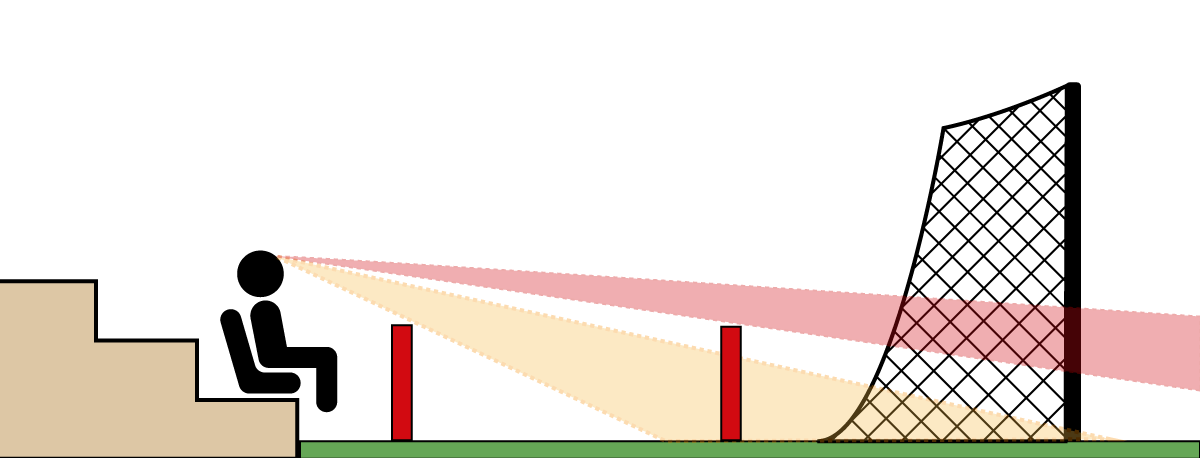
Tanca de publicitat (UTV)
Tanca del camp
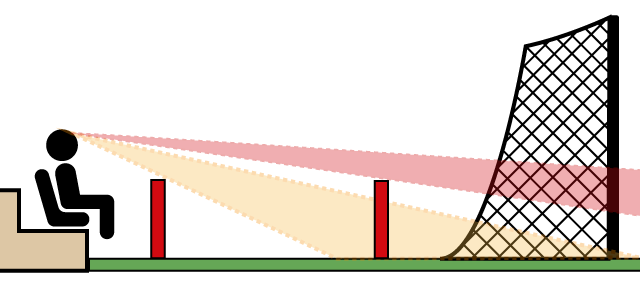
Tanca de publicitat (UTV)
Tanca del camp
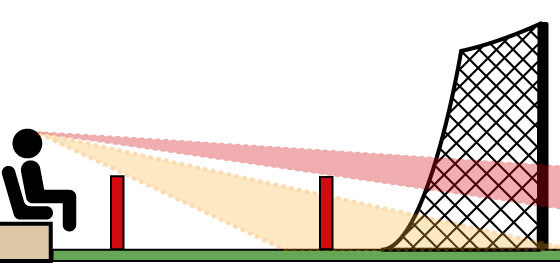
Tanca de publicitat (UTV)
Tanca del camp
Visibility from the first tier was one of the major criticisms of that renovation, and it was one of the points that the remodeling conceived in 2014 as part of Espai Barça aimed to correct. The reality is that nothing has been fixed. On the contrary: the project that had been practically handed to the previous board under Josep Maria Bartomeu improved the slope, but the one that was ultimately implemented, after the modifications incorporated by Laporta's boardIt left the first tier almost as it was. "Let's be clear, it's a blunder," says one of the sources consulted, linked to Espai Barça.
The club's official version is that they were unaware of the problem until they installed the advertising boards – called UTVs. But experts are much more critical and speak of a fundamental problem and of lack of planningThe project has moved forward from a very simple basic design that has been developed as it was built. This is known as fast trackHowever, the executive project "was carried out by people who prioritized technical aspects over architectural ones, such as aesthetics or visibility," maintains an architect with firsthand knowledge of Camp Nou. This is one of several construction errors that have already been detected, such as the aisle in the first tier of the stands, which is too low because "they got the height wrong."
Barça decides not to put the first rows of the north goal up for sale
"We are working to find a solution, although it is not easy. For the moment we have blocked the first rows, which are not being put on sale," say official sources from Barça. The problem affects both goalsAlthough in the south end, where the supporters' section is located, the impact isn't as significant because these fans watch the game standing up. In the Champions League, where the UTVs (unmanned televisions) must be closer to the pitch, the situation is even more problematic. In La Liga, however, where there's a bit more leeway, they can be moved back and improve visibility – which is precisely what was done in Sunday's Barça-Rayo match. Even so, there are around 350 seats that are currently unavailable, representing a loss of approximately €30,000 per match.
During Barça's time at Montjuïc, where the added complication of an athletics track further distanced spectators from the pitch, the club developed a plan to market these seats with limited visibility at reduced prices to specific groups. Besides the lower price, screens would be installed so they could follow the game. Ultimately, this plan was never implemented. In any case, this would be one hypothetical solution for these seats at Camp Nou, but there are others, albeit more expensive ones.
The definitive solution would involve lowering the pitch level, argues one of the architects consulted. "It would cost time and money," he warns. And it would have to be done "with surgical precision," because there's a risk of robbing Peter to pay Paul: visibility from the third tier would have to be ensured. In other words, no row would be left without a view of the match. It would mean, however, that spectators in the upper tier would have to sit even further away from the players.
Lowering the pitch, one option
Overcoming these obstacles, the wall that would remain between the pitch and the first row of seats would eliminate the problem of UTVs. It would also make things easier for security personnel, cameras, and photographers who need to move around the area during the match. This architectural feature is already common in most newly built stadiums. "The problem is that with Camp Nou, it's a renovation, and the pitch level was already lowered in '94," this architect points out.
If the club ultimately chooses this route, it would take several months to complete. Among other things, the entire irrigation and drainage system installed last summer would have to be dismantled, with the associated costs. The first window for doing so is this summer of 2026. However, it couldn't be done in 2027, as the pitch will be occupied by the roof installation. For the moment, Barça is simply saying that they are "looking for a solution."

