The role of women, key to the sustainability of the rural world
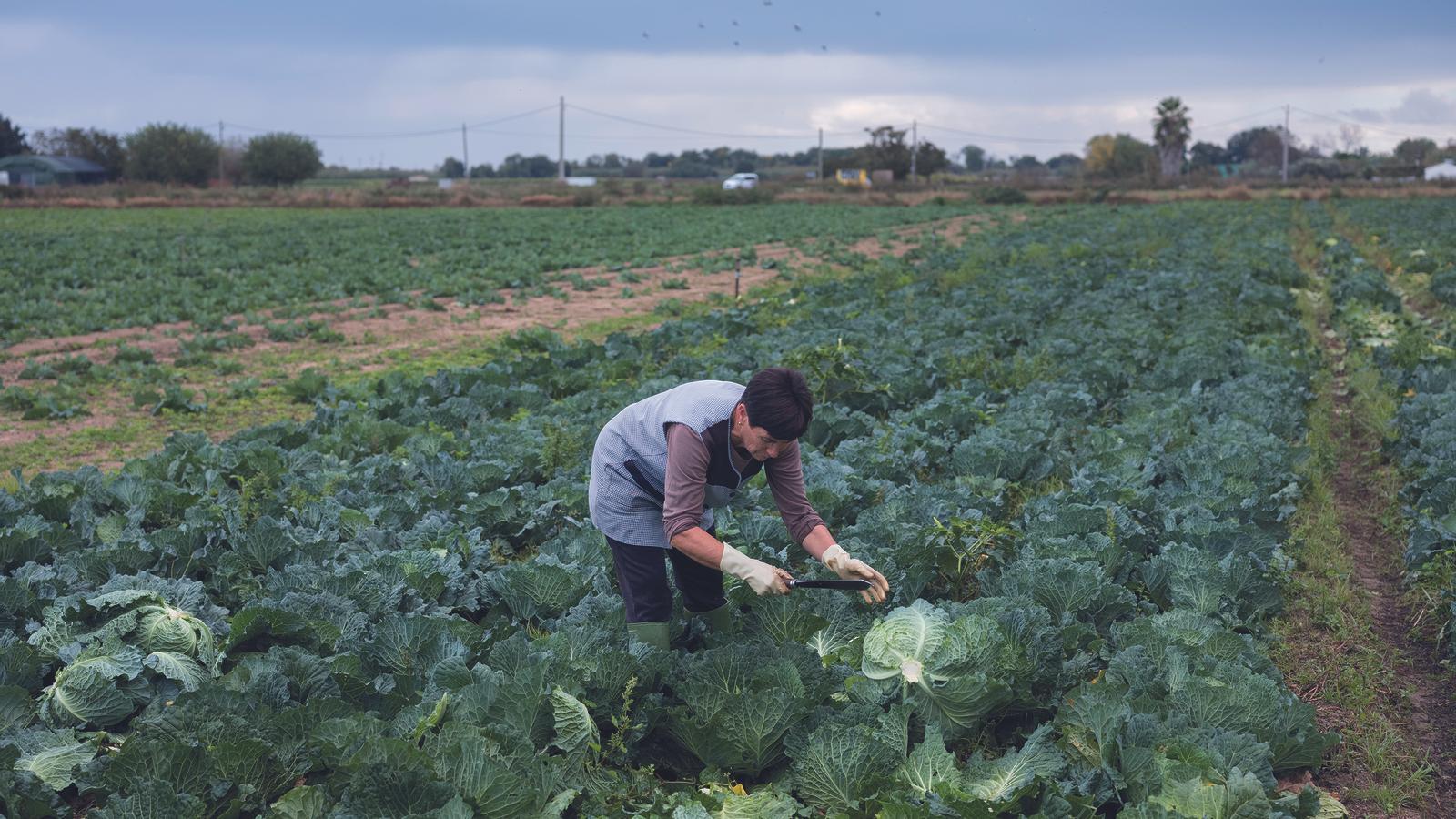
The Federation of Agrarian Cooperatives of Catalonia (FCAC), coinciding with the celebration of the International Year of the Peasant Woman, wants to highlight the crucial role that women have historically occupied in the rural world.
-
CAT -
CAST
The commemoration of the International Year of the Peasant Woman becomes, this 2026, a platform to highlight the work that thousands of women in our country have carried out in hundreds of fields, farms, wineries, mills, cooperatives and homes and which, for too long, has been relegated to the background. Women have been, along with men, key drivers of the rural world, and as the Federation of Agricultural Cooperatives of Catalonia (FCAC) emphasizes, "they have sown, harvested, cared for animals, managed family economies, looked after families and given birth to sons and daughters, thereby keeping the territory alive and helping to build the future of our municipalities". Many times, they continue from the Federation, "they have done so, however, without recognition, without visibility and without occupying the place they deserved".
Unity, key to the progress of farming
The agricultural sector cannot be understood without the men and women who invest time and effort to make everything flow. They act as transmitters of knowledge between generations and contribute to making it possible for many families to continue living off the land. For all these reasons, they are an essential piece in guaranteeing the future of the rural world and the continuity of an activity essential for the territory.
The future of agriculture, say FCAC, “requires the joint work of all: of women and men, of young people and old people, of farmers, institutions and society”. All this to achieve key objectives such as dignifying farm work, guaranteeing fair prices, facilitating generational change and defending a living and sustainable agriculture.
Opportunities, services and respect
“When a farm disappears, it’s not just production that is lost: landscape, culture, tradition, and life in the villages are lost”. That is why this International Year of the Peasant Woman must also serve to demand what the rural world needs most urgently: opportunities, services, and respect. And in this context, the FCAC points out that “women need to continue advancing in equality, with a voice in decision-making and with the same opportunities to lead the future of the sector”. And it is that “if today our rural world remains alive, it is also thanks to the collective strength that we have managed to build together”. A strength, they emphasize, “that has a very clear name: cooperativism”.
Acoraida Arasa, head of the Women's Group and Training of the FCAC
A trained draftswoman and farmer since 2015, Acoraida Arasa is the daughter of farmers and is linked to the agri-food sector of Terres de l’Ebre, especially with olive oil and agricultural cooperatives.How has the role of women in the agricultural world evolved?In recent years, we have seen a clear change. In Catalonia, the incorporation of young women into agricultural activity reached 32.1% in 2024, and our presence in positions of responsibility within cooperatives has also increased.Despite this, there are still challenges, isn't that right?Yes. Women represent approximately 22% of cooperative members, about 43% of employment within Catalan agricultural cooperativism, and female presence in management exceeds 21%, but only 5.7% of the members of the governing councils and 4.1% of the presidencies are women. We have made progress in visibility and professionalization, but barriers still persist in access to leadership and decision-making.Where do these barriers originate?Sometimes, we impose them on ourselves, thinking that certain leadership spaces are not for us, which can generate insecurity. That is why it is so important to give visibility to female role models, create support networks, and encourage active participation within cooperatives. These can become key spaces to promote women's leadership, foster innovation, and contribute to more sustainable and inclusive rural development.
