Dogs intoxicated by drugs in feces and vomit in the street
Animals can ingest contaminated remains while walking and veterinarians ask to take extreme precautions during festival season

-
CAT -
CAST
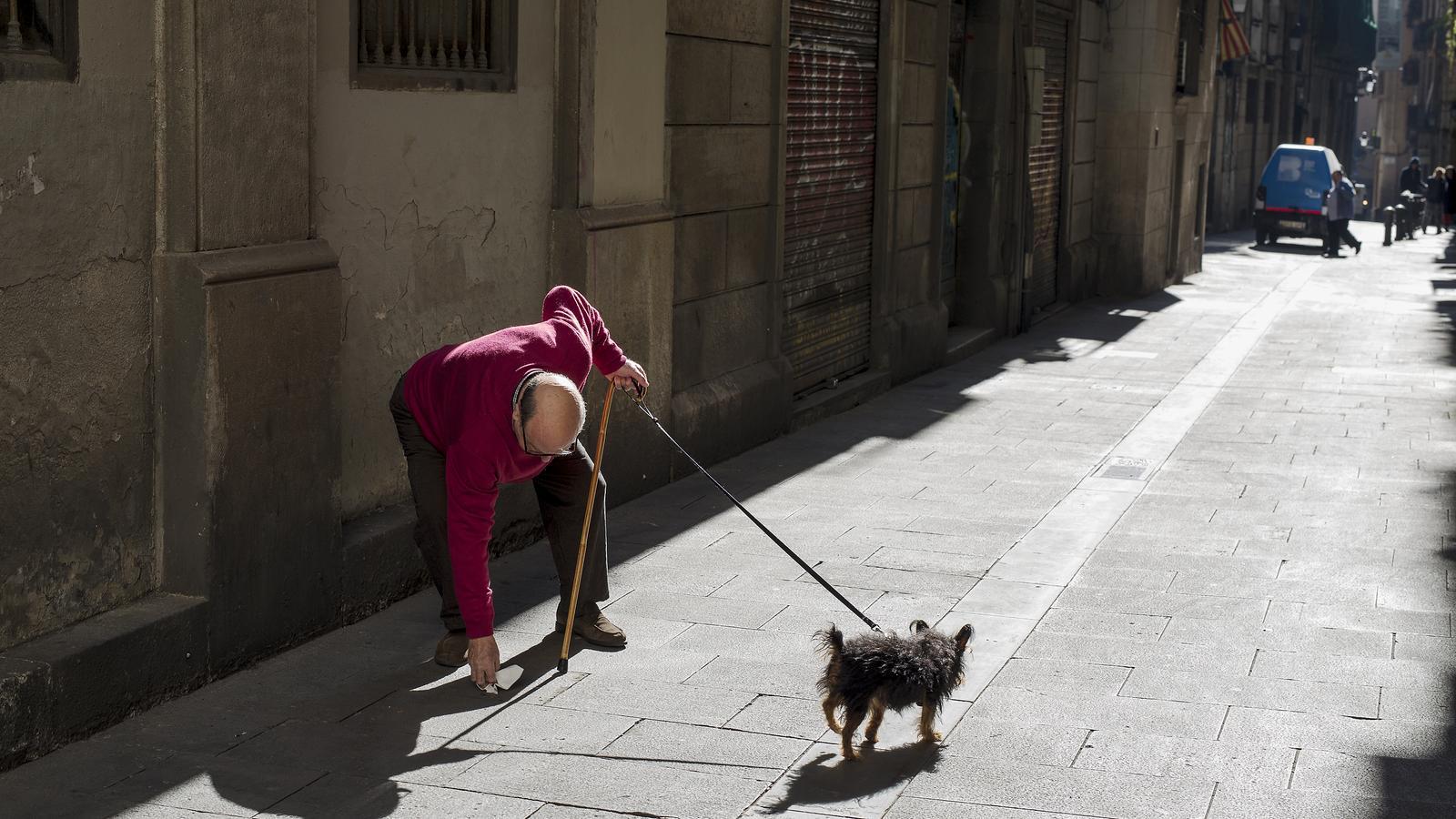
BarcelonaLast week, Petit tasted marijuana and benzodiazepines for the first time, and he did so against his will. He is a nine-year-old Majorcan terrier, very energetic and affectionate, who has lived with Manel and his family since his previous owner died. As he is always on the go and a restless soul, the family became worried when they saw him looking pale and drowsy after his walk. The sign that set off all the alarms was that he urinated himself. Manel didn't want to wait any longer and took him to the emergency room, where, to his surprise, they immediately suspected drug intoxication.
"No one does drugs at home, and I haven't seen him eat anything strange," he recalls telling the on-call veterinarian. The test, however, confirmed the professional's suspicions, who warned that these types of intoxications are more common than one might think and that caution is needed. On the street, animals can ingest feces or vomit from people who have taken drugs and, in some cases, require veterinary attention to recover.
"There have always been intoxications of this type, but not all the drugs people consume reach the feces. THC does reach it, although it must be in significant quantities," explains veterinarian and board member of the Barcelona College of Veterinarians, María Elena García. The expert explains that with the arrival of warm weather, there is more activity on the street, and consequently, these intoxications increase, as animals are more exposed to these types of substances. It's not always due to human feces: sometimes it's drug residue left directly in the park that the animal eats.
According to the expert, more severe drug intoxications are found in vomit than in feces. For example, when a music festival begins, it is recommended not to walk dogs in the area where it is held because they can eat it (and, in fact, they do). According to García, cocaine intoxications are the most serious. "Depending on how the animal arrives at the clinic, we already know what type of drug it is," she assures.
Just as Manel managed to identify that something was wrong with his dog, the expert says that the signs of poisoning are immediate and can be easily detected. "Generally, during the first few hours, if after going to the park the dog makes strange body movements, is sleepy, is uncomfortable, or falls to its side, we already suspect that it has eaten something it shouldn't have, normally THC [the main compound of cannabis]," the expert specifies. She recommends monitoring neurological signs above all, which are sometimes accompanied by other physical signs, such as vomiting or diarrhea. In Petit's case, he spent the whole night under observation until the professionals confirmed that there were no more traces of poisoning. Now he is back to being the lively puppy he always was.
Public toilets
When a dog with poisoning arrives at the veterinary clinic, professionals try to calm it if it is nervous and begin to examine it to clarify if it may have ingested any substance. "There are cases of owners who consume drugs and come scared because they have seen the dog eating it," says García, who explains that it is crucial to know the exact dose ingested. In these cases, the animals need supportive and fluid therapy until the effects pass. These are intoxications that, as they come, are managed. In mild cases, the dog even arrives at the clinic hours after intoxication and is not admitted because its life is not in danger. "It will probably pass suddenly when it finishes metabolizing everything left in its body," says the expert.
However, dog owners are not calm and are asking for solutions. This is the case of Daniel, who when he walks Gustavo through certain areas of Barcelona has to go "with fifty eyes open" so he doesn't eat anything. He mentions areas of Montjuïc or Ciutadella Park, as well as Joan Miró Park. He believes that, to prevent animals from coming into contact with contaminated feces, the Barcelona City Council should provide more public restrooms for people who are forced to relieve themselves on the street when bars are closed.
