AI creates a virus that cannot be found in nature
The discovery opens the door to unprecedented medical advances, but, at the same time, to the risk that dangerous pathogens may be invented
-
CAT -
CAST
Artificial intelligence (AI) is once again surprising the scientific community with a finding it does not yet know how to interpret. For the first time in history, scientists have used AI to create new types of viruses from scratch, which have never been found in nature. The discovery generates hopes of unprecedented medical advances, but, at the same time, it also raises concerns that it could be used to invent dangerous pathogens. Those responsible for the study excluded from training any material or genetic information that could infect humans, animals, plants, and fungi preventatively.
Those responsible for this breakthrough published this Thursday in the journal Science are researchers from Stanford University and the Arc Institute in Palo Alto. The scientists have trained an artificial intelligence called EVO2, capable of solving complex biological challenges by suggesting new DNA sequences.
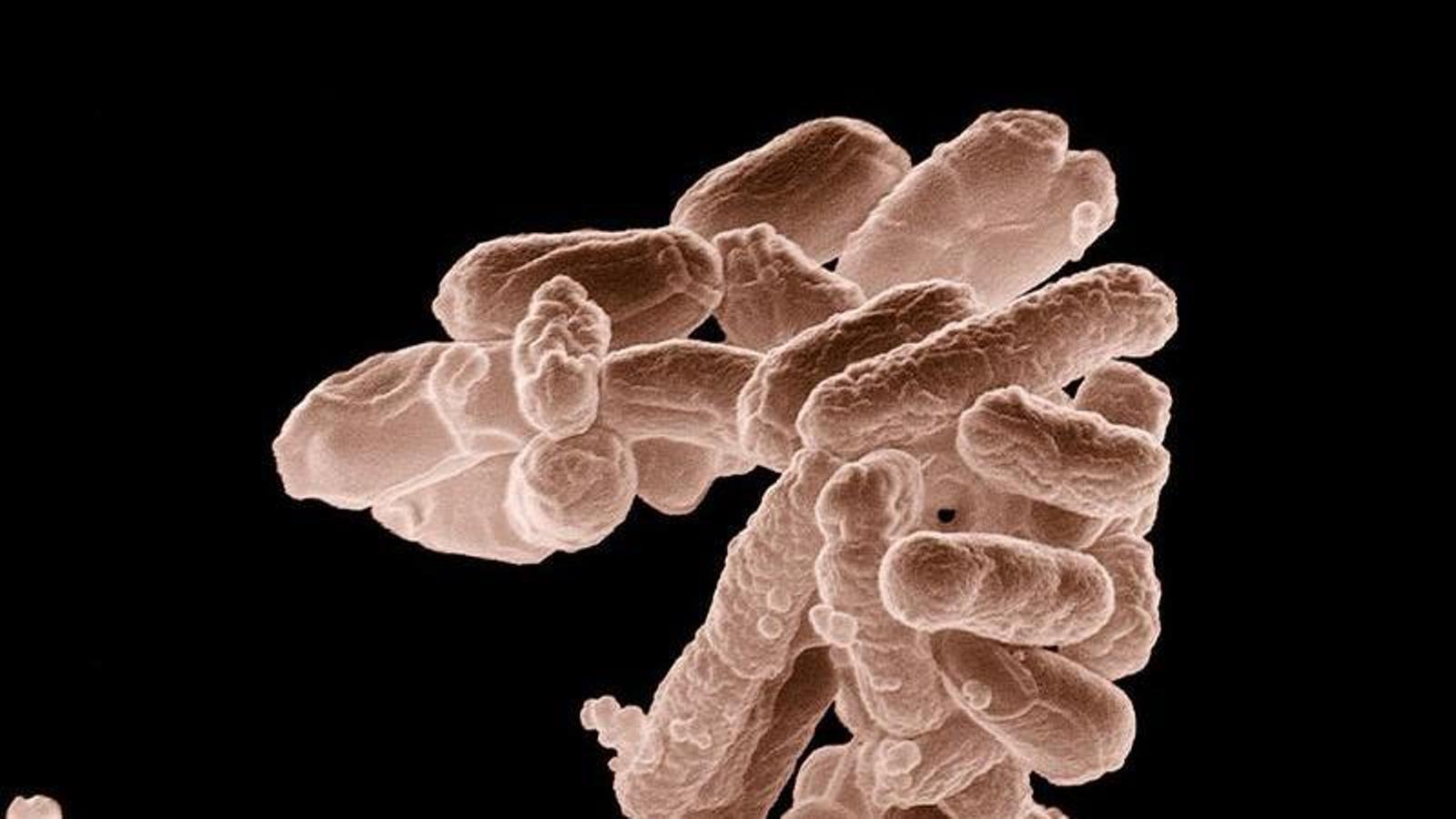
As they report in a statement, with this technology they have been able to create 700,000 potential versions of a virus, of which they selected only 300 candidates. Finally, they identified 16 that could multiply and kill microbes "exceptionally well." In this case, the E. coli, which can be fatal when infections become severe.
Chemical engineer Brian Hie and bioengineering graduate student Samuel King chose the phage Phi X-174 because its entire genome has fewer than 6,000 base pairs. Compared to the 3 billion base pairs of the human genome, it is relatively simple. However, it has a great capacity to kill bacteria.
The study is based on the premise that it is becoming increasingly difficult to control E. coli due to resistance to existing antibiotics. "If bacteria gain resistance to a single phage, it's game over for the medicine," Hie explains in a press release prepared by Stanford. "But if we have several genetically different phages in a mixture, it might be harder for the bacteria to develop resistance to the whole cocktail," he suggests.
According to the researchers, approaches similar to the one described in this study could be used to respond to other harmful bacteria, such as tuberculosis, methicillin-resistant Staphylococcus aureus (MRSA), and Pseudomonas aeruginosa, a bacterium that is one of the main causes of hospital-acquired infections, to give a few examples.
A turning point
Although the creation of viruses is not a new phenomenon – they are already used for the manufacture of drugs and vaccines – AI has marked a before and after in how they can be designed. Specifically, it allows scientists to recreate all the genetic material of the virus much more quickly, modify its errors, and overcome resistance to attack antibiotic-resistant microbes.
Beyond this scientific advance, the finding opens the door to a bioethical debate that, as scientists warn, "has urgent implications for biosecurity and bioprotection." And it is that, although this new discovery has shown that we are capable of generating these viruses through AI, there is still no legislation or protocol for developing this technology safely.
"The question is no longer whether generative design of viral genomes will exist," they explain in the study, but "whether society can build oversight that allows its benefits to be deployed while avoiding the facilitation of the most serious harms," they conclude.
