The Supreme Court maintains for November 29 the suspension of the vote of those naturalized by the 'grandchildren law'
The high court ignores the statements of Pedro Sánchez, who demanded yesterday that it stop "the attempt of abuse" by the Spanish right
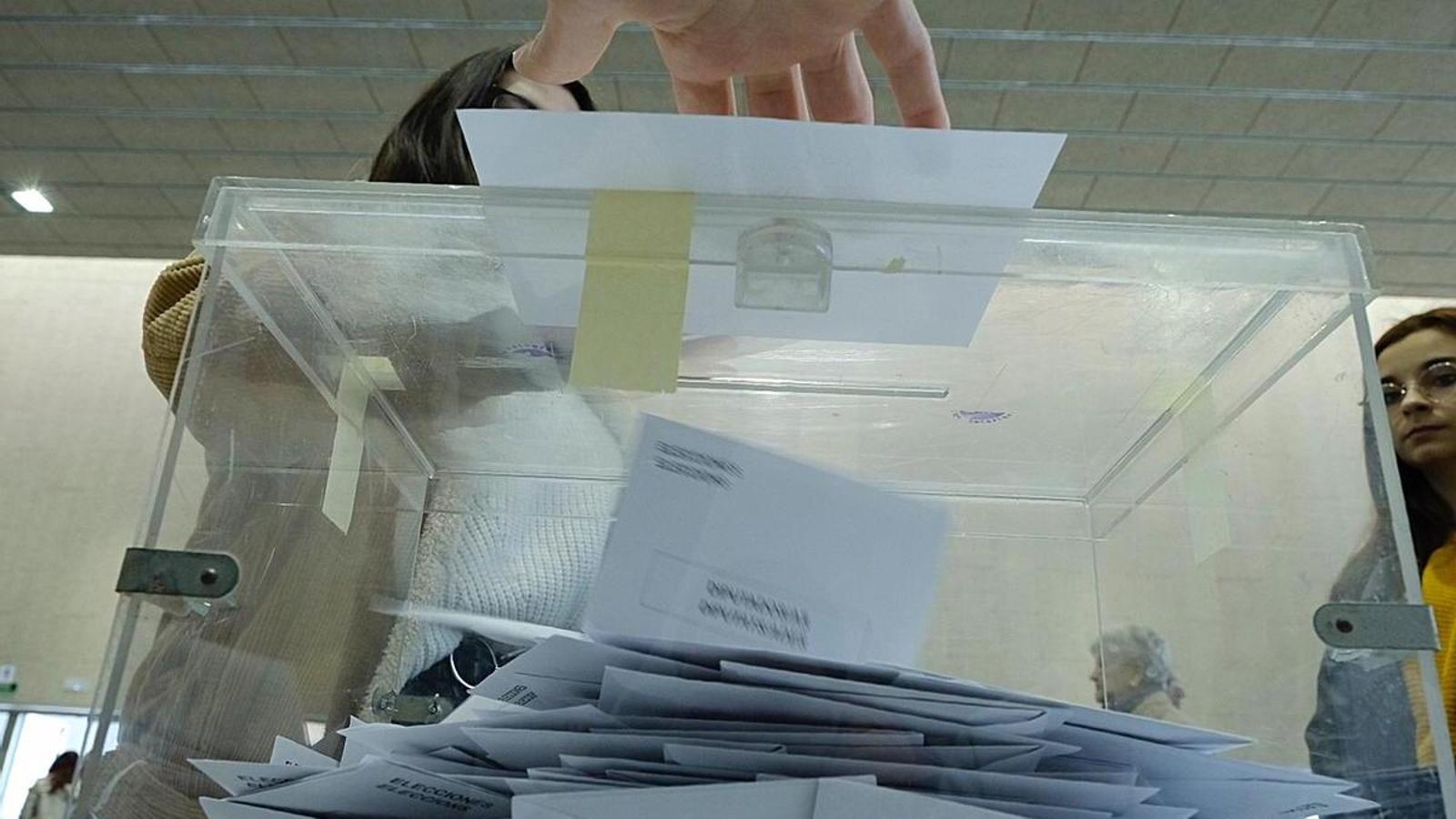

MadridA setback from the Supreme Court, once again, for the Spanish government. And, this time, on the eve of the November 29th elections and with a matter as delicate as the electoral roll. The high court decided this Monday to reject the appeal by the State Attorney's Office against the precautionary measures adopted against the 'law of grandchildren' and which suspended the right to vote for those naturalized through a specific path of the Democratic Memory Law. In this way, it maintains the veto, requested by Vox and Iustitia Europa, on the right to vote of these new citizens, who according to the State Attorney's Office would be 168,896 people.
These are the naturalized citizens that the Spanish government calculates have accessed nationality through the order that develops the 2022 Democratic Memory Law and which is currently in question in the courts. While the rule specifies that those who are descendants of exiles for political or ideological reasons can be Spanish, the subsequent order presumes that all those who left between 1936 and 1955 are.
Yesterday, Spanish President Pedro Sánchez, at a pre-campaign rally, called on the Supreme Court to stop the "attempted abuse" by the Spanish right that he considers this decision represents. Both the Public Prosecutor's Office and the State Attorney's Office had requested that the precautionary measures be lifted in view of the "material impossibility" of reviewing the nearly 170,000 files affected by the measure adopted by the Supreme Court.
However, the Supreme Court has decided to maintain the decision, which has infuriated the Spanish government, many of whose ministers were at the Royal Palace reception presided over by the King and Queen on the occasion of October 12th. In fact, sources from the executive branch assure that the Office of the State Attorney General will study whether it can appeal the decision to the Constitutional Court, as it considers that there is an infringement of fundamental rights.
