Sánchez is not alone: Only one in ten governments resigns due to corruption cases
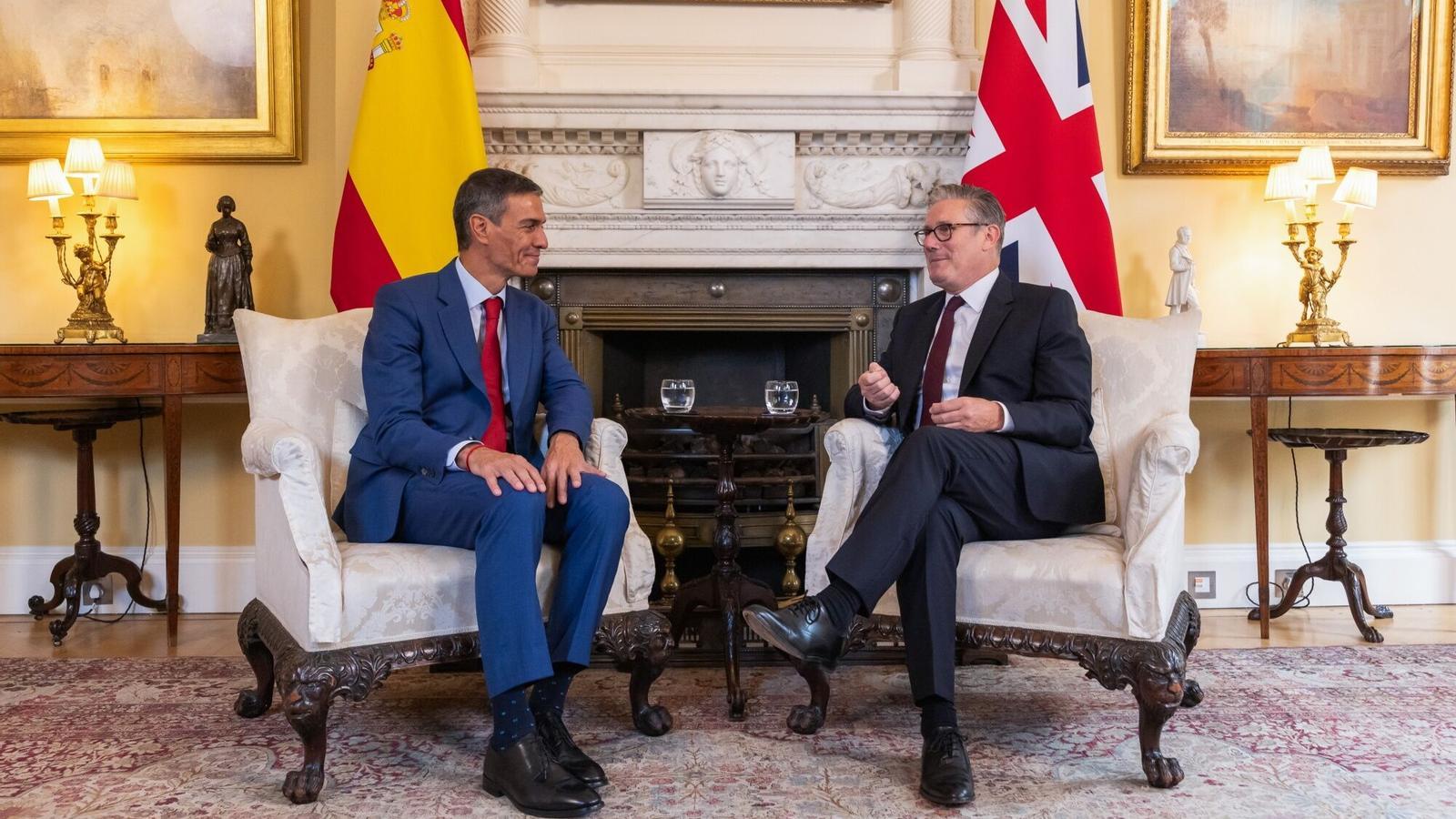

-
CAT -
CAST
BarcelonaWhy do legislatures not run their course? The uncertainty of elections weighs heavily, and a good part of executives intend to see things through to the end, but many governments end up going to the polls ahead of time. In the case of European democratic systems, around 40% of elections are held before the end of the term set by current legislation. Therefore, holding elections before they are due is quite common. One might be tempted to think that early elections mainly occur due to negative factors, such as a corruption case, but this would not be the case. When a party governs alone, without a majority in the chamber, and especially when the economy is doing well, calling an election is usually a sure bet that governments use to obtain the desired majority of seats.
The described situation resembles the case of the current Spanish government and its president, Pedro Sánchez, but with important differences. Indeed, he governs without a majority, but not alone, and the economy is doing relatively well on a macroeconomic level, even though the impact on citizen well-being is reduced or nil (as reflected, at least for Catalonia, by the Fènix Report). Studies conducted so far indicate that rulers very often err in the strategy of calling early elections. Leaders tend to overestimate their position of strength, and voters can penalize a strategy seen as strategic and for the particular benefit of the party using it. From Adolfo Suárez in 1979 to Pere Aragonès in 2024, history is full of early elections called that did not turn out as their promoters wished.
Anticipating elections is not the only reason why governments end prematurely. In 16% of cases, the prime minister resigns (as Keir Starmer recently did in the United Kingdom), and in about 15% of situations, the governing party loses a vote of confidence in Parliament, precisely one of the measures that a good part of the opposition wants Sánchez to face. The partial breakdown of a coalition government, especially when one partner leaves, is the other most common reason.
Do governments fall due to an internal or external conflict?
In recent months, the opposition to President Sánchez has argued several reasons why he should resign and call early elections. Corruption is one of them. However, other reasons are mentioned, such as the fact that public support has declined or the electoral blow suffered by the PSOE in the various regional elections held so far. If we look at governments that have ended prematurely in 33 countries since World War II, we observe that these reasons do not usually push the government to call early elections. In fact, these factors, known as external factors (because they do not depend entirely on the government), rarely bring an end to a government. For example, only 10% of governments that have ended prematurely have done so due to a case of corruption or other scandals (such as sexual ones).
From a comparative perspective, governments end prematurely especially due to internal or partisan dynamics. And this is more likely to happen in coalition governments. Conflict between partners is usually the most common: 29% of governments have closed shop for this reason. In 10% of cases, the coalition government that ends early is due to partisan power struggles, that is, the distribution of government portfolios.
What other path would the opposition have? Comparative perspective tells us there is an option: that there be conflict between people of the same governing party. Whether due to power struggles or fear that everything will go from bad to worse, uncertainty and poor future prospects make some uneasy and want to (re)shuffle pieces. Achieving this feeling from the outside is not easy, but it could be the most effective. As the adage goes: in life, there are friends, enemies, and party colleagues.
The curious graph of the week
Where are penalties missed?
Following the Football World Cup, there's a lot of talk about penalties these days. The lower quality of collective play, added to the tension and nerves of the knockout stages, means more are taken and many are also missed. For example, up to four penalties were missed in the recent Netherlands-Morocco match. Curiously, the only Football World Cup in which no matches went to penalties was in 1978, the year this option was introduced.
According to OptaAnalyst data, since the 1982 World Cup, 292 have been taken, most to the left (right of the goalkeeper). Almost a quarter of the time they have been missed or saved by the goalkeeper. The probability of scoring from 11 meters drops to 64% if the fourth player takes the shot. If the penalty is taken by a substitute who entered in added time, they will miss 56% of the time.
