To hate the poor (above all things)

-
CAT -
CAST
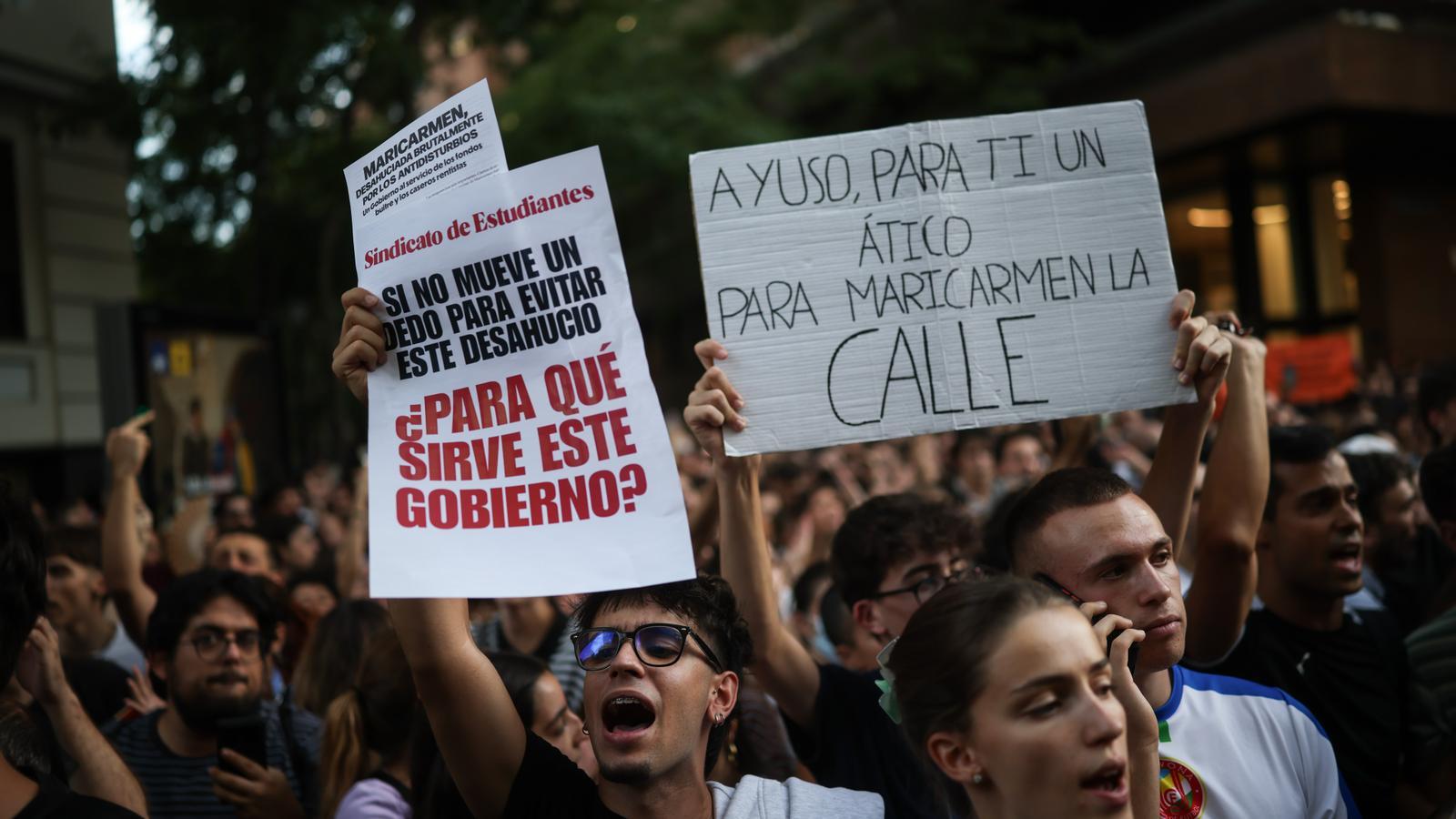
In the film Umberto D. (directed in 1952 by Vittorio de Sica, a director who dared to portray poverty, and starring Carlo Battisti) there is a very harsh scene. The film's protagonist is a retired civil servant who cannot survive on the meager pension he has left and who is pushed to beg on the street. Since he is ashamed, the man leaves a little dog with his hat, which begs for him. At first glance, it is a tender image, but if one stops to think about it, it is devastating. It portrays the poverty of so many people who never imagined they would find themselves in such a situation and who do not know how to face it, because they cannot overcome the astonishment —and the shame, too— of finding themselves there.The market, left to its own logic without any kind of correction, tirelessly expands the spaces of marginalization or makes the poverty threshold ever higher, so that an increasingly larger sector of the population remains within it. People who in principle should be in a position to afford a dignified life (wage earners or self-employed, or those who retire after contributing throughout a long working life) suddenly discover that this is not the case. Their income is below prices, and if they do not have an environment that supports them, they soon find themselves driven into poverty.This week, the cases of Maricarmen in Madrid (the 87-year-old woman, in precarious health and with precarious income, who was evicted from her home while protesters were repressed in a new episode of police brutality) and of Olga, in L'Hospitalet de Llobregat (a 54-year-old woman, mother of two daughters—one of them a minor—, who committed suicide because she could not bear losing her home), have filled newspapers, television news, and social networks, and have drawn everyone's attention to the so-called housing crisis, which in reality is nothing more than a result of an economic system based on two things: greed and aporophobia. In other words: the pathological relationship with money that consists of considering it a superior good (in relation to the rights of citizens, and also in the abstract, as a kind of deity), and the hatred of the poor.People have, or we have, a fear of being poor for many reasons, but one of the main ones is that we know we will come to be hated. Not just belittled, ridiculed, humiliated, violated, or persecuted: also hated. Above all, hated. The image of the poor person acts as a reflection of that which we never want to be: that is why, when we encounter them on the streets, we turn our faces away or quicken our pace. No one will reproach us for it. The poor person is fearsome, dark, and repugnant, because they personify the negation of prosperity. The message for those who cannot pay the prices imposed by uncontrolled speculators is that, in addition to their home and their belongings, they have lost their dignity and the consideration of a human being. The poverty-stranglers have always existed; now, however, they boast of being the leaders of the new capitalism. They have many self-justifying theories, but a single fundamental principle: to hate the poor.
