The Moon and the AI
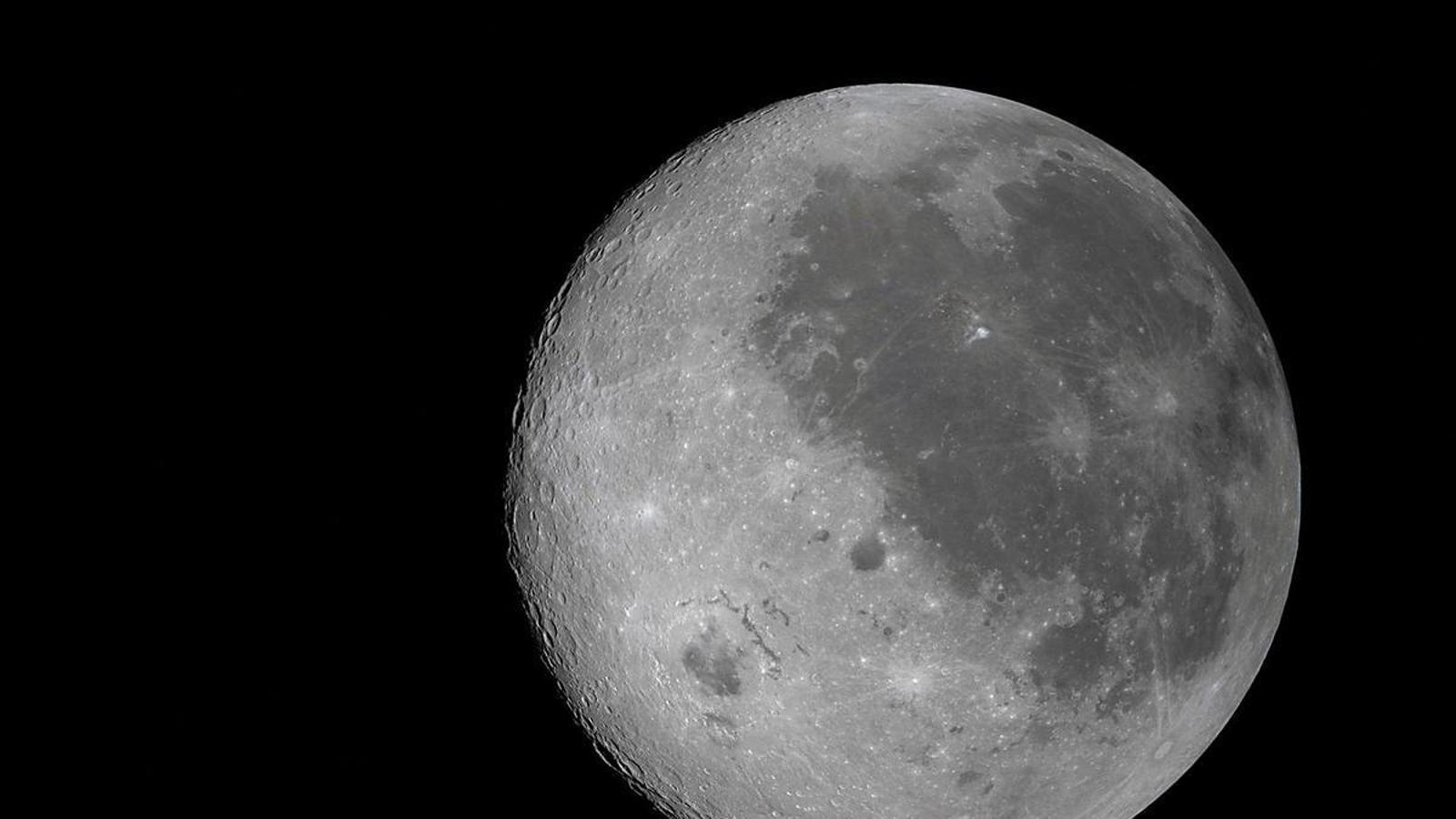

1. “It’s a 3D view accompanied by personal experience, which gives us a much better interpretation than many images obtained by robotic probes”. I found it gratifying that a NASA administrator, Lori Glaze, recognized the human gaze, at a time when AI seems poised to overwhelm natural intelligence, risking domination over collective experience, ridiculing our condition. Victor Glover, one of the four astronauts who orbited the Moon, said during the eclipse: “It’s the strangest and most surreal sight we’ve had today, with the Earth’s glow illuminating the Moon”. And the spacecraft continues its adventure, which no one can explain better than the four people who have lived it. Without them, there would have been events but not an experience. That is, a lived reality transmitted by beings of flesh, bone, blood, and natural intelligence, who will be able to explain it to us (with the limitations imposed by the relevant authorities, it must be said, which is also a human condition) with the intensity of the lived experience. That is, a perception, from reason, accompanied by sensations, feelings, strengths, and weaknesses, that shape our species and that AI, capable of generating infinite accumulation and combination of data, will never be able to transmit with the singularity and sensitivity that, for better or worse, constitutes the human condition.
The problem with AI is precisely that it favors those who, through control of information, wish to disarm the human condition of its singularity. And the best way to impose a model is a system that is supposedly indisputable and perfectly manageable through the accumulation of data.
2. This resumption of the exploration of our neighborhood in the Universe, after a long pause that surely has scientific but also political and human reasons, coincides with the deployment of AI, which seems as if it were intended to be put at the service of the great powers in an accelerated manner to make it a reference for truth and knowledge. And the first alarm signals emerge. The philosopher Éric Sadin, author ofEl desierto de nosotros mismos, has entered the debate: “We will live in a better world, they say. Based on what? Sociability, human dignity, human integrity, freedom of expression of our faculties? If all of this will be destroyed.” We are entering full-blown surveillance capitalism. “They spend all day on TikTok and no longer know how to write, nor do they remember the last time they wrote for themselves.”
Nothing would be more dangerous for the human species than the progressive imposition of a single narrative, that of AI, with a presumed technological legitimacy. Imposing the truths to be shared, instead of taking advantage of the complexity and diversity of the human species. The logic of good and evil is articulated in the human condition. The progress that the Enlightenment still represents today sought the recognition of the dignity of each person as a shared reference. The totalitarisms of the 20th century have shattered this illusion. And yet, the authoritarianism/freedom dialectic that gave birth to modern democracies has persisted, now in critical phase in a world where there are fewer and fewer of them, and when even the United States is being dragged towards post-democratic authoritarianism, with a clear blurring of the separation of powers, with Trump permanently violating the independence of the judiciary and the legislature.
3. Old and worn-out Europe should be responsible for defending the genuine values of the human condition: reason, sensitivity, perception, will, without forgetting that we are always in the territory where good and evil meet and that, therefore, nothing can be definitive, that we must always be vigilant because there is no paradise on earth, because no two people are alike, in any relationship there is potential difference and in all areas –family, school, work, social, political, ideological– conflict is latent. The great danger of modernity is letting ourselves be dragged along by its powerful innovations. And the latest risk is AI, an instrument that aims to surpass the human condition with its immense capacity to combine data, ridiculing the singularity of a being capable of thinking and deciding for itself. AI is fundamentally a secular version of the imposition of belief. A combinatorial power to minimize human intelligence, to drown it by giving it the raw work done, without any of the species' singularities: desire, precariousness, creativity, empathy, will to power, and a living dialectic between good and evil. They want to give us all the work done, so they can do whatever they want with us.
