The consortium path
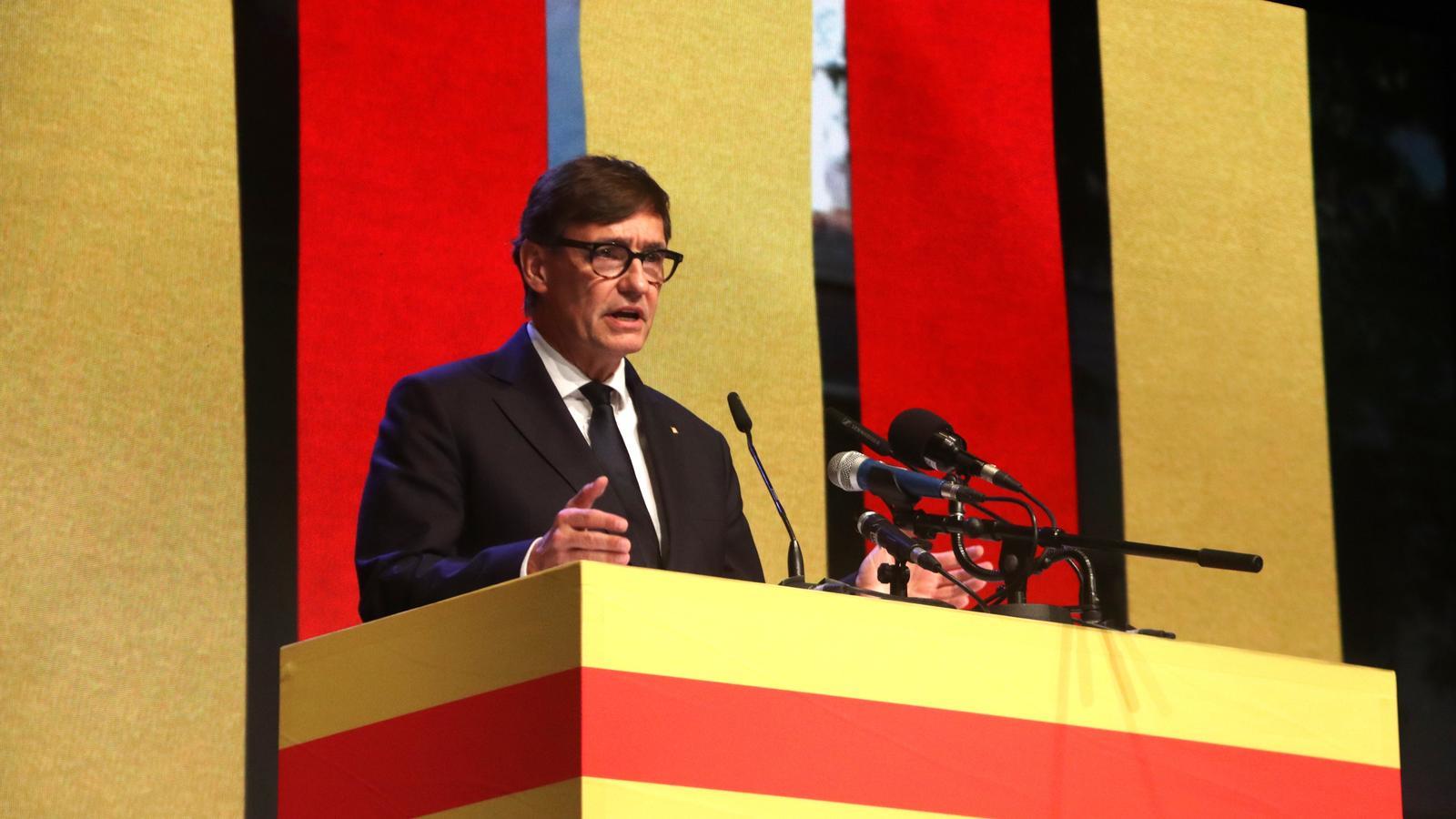

“What is good for Barcelona is good for Catalonia, and what is good for Catalonia is good for Spain”. This transitive formula summarized the political thought of Pasqual Maragall and his party, in the years of the so-called Olympic spirit. Unity of action, mutual benefit. Catalonia is Spain on the condition that Spain is Catalonia. Shared passion thanks to sporting success. Els segadors and the Royal March playing consecutively when the Bourbon king enters a stadium with a republican name. It is an approach that connects with the federal tradition. A double antidote against assimilationism and against independence. And an alternative to the Pujolist project, which was to make of Catalonia, little by little –as if nothing– a kind of pseudo-state.But the Olympic success passed, and the dreams of Maragall and Pujol proved impossible. Maragall, as president, saw how his Catalan Spain became a mirage. And the failed reform of the Statute made it clear that Catalonia could not achieve real political power without posing a direct challenge to the State. The emotional distance between Catalonia and Spain was not only expressed in the rise of sovereignty, but also in the laments of the PSC: Montilla spoke of “disaffection”, and Maragall himself, playing with reversing the terms, warned in a famous article that “Madrid se va”. Despite the warnings, the clash of trains was inevitable.The years of the 'Procés' left the PSC in a very bad state. Its leaders promised themselves that they would never again allow an overdose of Catalanism to jeopardize their relationship with the PSOE. Then came the 155, the repression, and the fall of Rajoy's PP. When two socialist presidents coincided again in Catalonia and Spain, Salvador Illa promised to focus on management and move away from identity-related disquisitions. But he had plans. Illa, in the style of Pujol, that is to say, without stridency, has executed a strategy in favor of his version of the Olympic ideal, that of "Catalonia is Spain and Spain is Catalonia," with the aim of dissolving the mental and political wall between both realities; his ultimate goal is that, in the eyes of the Catalans, the State and the Generalitat be two extensions of the same body –that is, of the same political and emotional reality.Illa has been skillful enough to carry out this policy despite depending on the votes of the pro-independence parties. For example, Junts managed to secure the commitment to Catalanize the second TVE channel; the socialists christened it 2Cat (a name that is not at all innocent) and used it to broadcast the matches of la roja in Catalan. ERC demanded the transfer of the Rodalies service, and the result has been a joint consortium that will encompass, under a new brand, all railway services, both those that run well and those that are a disaster. Thus, management and responsibility are diluted. The same formula is applied to the new tax consortium, and it serves for large infrastructure, cultural facilities, foreign policy... Catalonia is Spain, Spain is Catalonia. The best way to tame the Catalans is to give them a taste of real power: as the Count-Duke of Olivares said four centuries ago.The question is whether this strategic commitment, which is also a party policy, will be able to survive the current situation, with Pedro Sánchez cornered and the Spanish nationalist right lying in wait. If the PP comes to power, it will have two options regarding Catalonia: follow its own instincts (and those of Vox) or, in a fit of lucidity, maintain this joint relationship with the Catalan government, which is the best way to strengthen the presence of the State in Catalonia without it being noticed.
