The amnesty and the Spanish courts
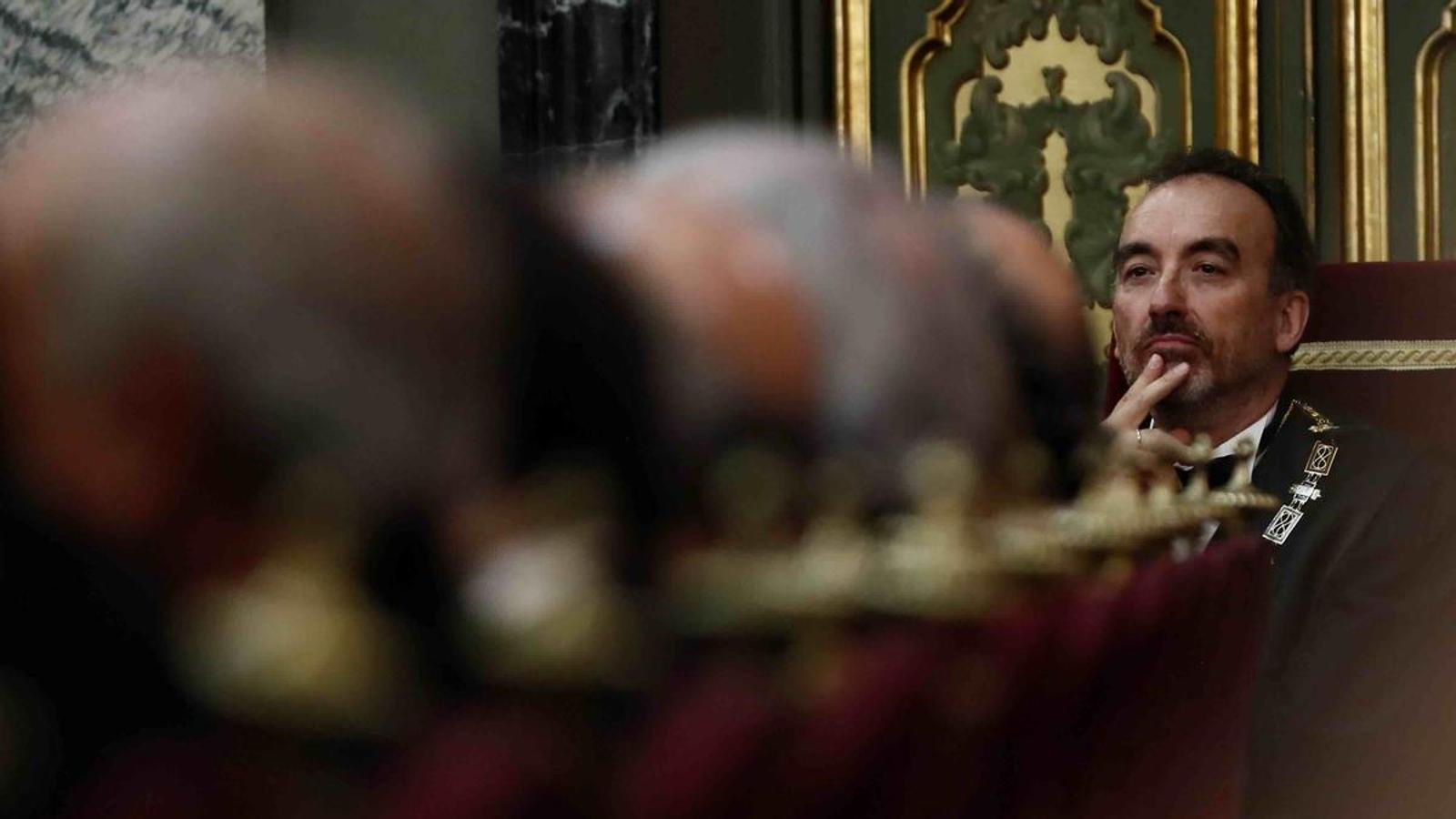

The football obsession and the brain drain that we all have at this point in a summer that is already in full climate change have made the scandalous reaction of the Spanish judicial leadership, and of the ultra-nationalist right, to the CJEU ruling on the amnesty pass unnoticed. The summary is as follows. Constitutional Court: will look at it upon returning from vacation. Supreme Court: maintains the arrest warrant for Puigdemont and the embezzlement charge, and keeps the ace up its sleeve of raising new preliminary questions, which would further delay the process by a few more months. The PP: in the words of Secretary General Miguel Tellado, the CJEU ruling does not enter "into the substance of the matter". The substance of the matter is to get rid of Pedro Sánchez and his government, so evil that, according to the PP, it doesn't even support the national team.On the part of the socialists and the partners in Sánchez's investiture, and on the part of those directly affected – the independence leaders now amnestied by the European court – caution, prudence, calculation, and tense calm have predominated. Óscar Puente, the hooligan minister, broke the violin string, who overstepped by inviting Puigdemont to “show up in Spain”. This – since we mention football – is because Puente, like so many others, has for years applied to the certainly serious events that have occurred in the last ten years in the conflict between Catalonia and Spain the clumsy, emotional, and childish logic typical of football. They truly believe that “Puigdemont fled Spain inside the trunk of a car” and, from here, they are easy prey for the narrative they themselves have been building. An uninformed and misinforming, Manichean narrative, which quickly reduces reality to its caricature level. “Is there a favorable ruling from the ECJ? Then let him show up here”. If a minister's analytical capacity is this, the flood has arrived this far.However, what is truly alarming is the attitude of the Spanish courts towards their European counterparts. The fact that a state is a member of the EU means that European law and jurisprudence are incorporated into the legal corpus in force in that state and acquire a higher rank of relevance than "national" law and jurisprudence. The rulings of the European courts are not "foreign" rulings or intolerable interferences. European rulings cannot be postponed, neglected, evaded, or ignored. On the contrary, Spanish courts must respect them, apply them, and enforce them with the same zeal and diligence as if they were "own" rulings. However, this one from the CJEU on the amnesty is particularly difficult for them. And it is understandable, because it highlights the dirty game that Spanish justice and politics (in particular, the Supreme Court and the PP) have played and continue to play, naturally to defend the unity of Spain. The CJEU does not agree with them on anything and, without saying it, says what they are: politicians who act outside of democracy, and corrupt judges.
