Strike, reasons and those responsible
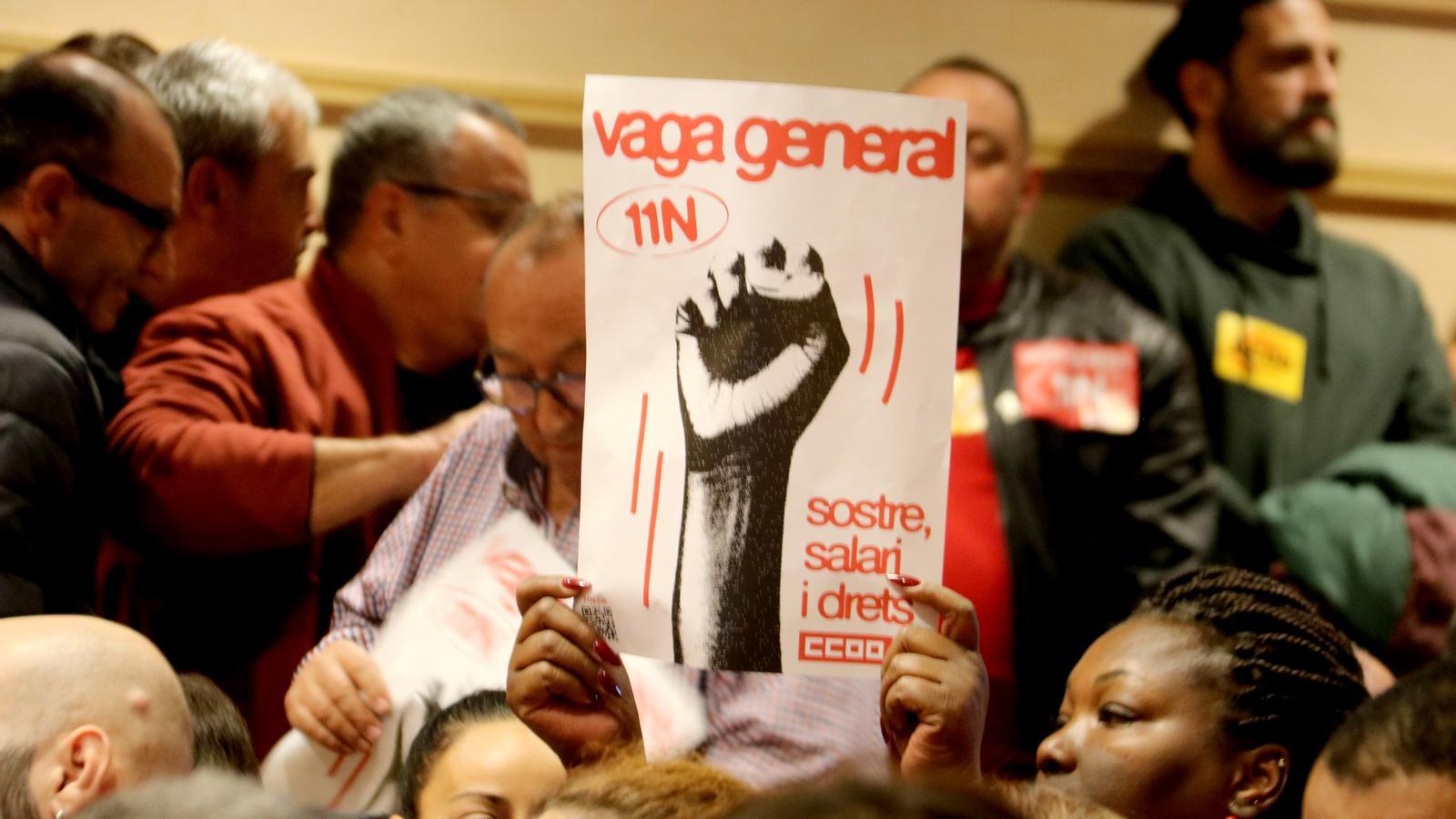

Wednesday's general strike has a high chance of being a success, because the unrest causing it has been going on for a long time and has ended up creating a generalized state of awareness that goes far beyond the politicized people: impossible rents and home purchases, salaries that fall short, grown children who do not leave home, and life plans at all ages that remain suspended in uncertainty. The cost of living is the problem of our days in Europe, and it defeated Trump in the recent midterm elections in the United States.
Impoverishment is so widespread that some of those who will be pointed at by the strikers suffer for the same reasons as them: how many small and medium-sized enterprises do not have the margin to raise wages, or how many owners of an apartment bought by sacrificing many things to leave it to a child would like to get rid of it because they have lost control over it due to hyper-regulation?
Pedro Sánchez will capitalize on the mobilization electorally as if he had not governed for the last eight years, just like the parties to the left of the PSOE, as if they had not participated in the “most progressive coalition government in history,” or in the investiture majority.
Meanwhile, in what conditions do thousands and thousands of workers move every day, losing hours of their lives, and their companies hours of work, because Rodalies is a failure without extenuating circumstances? And how do we manage to sustain healthcare and education in a country like ours, where taxes are higher than in less wealthy communities that lower taxes?
The reasons for the unrest are clear. The responsibilities are more spread out than it will seem in the slogans and supposedly class-based proclamations.
