Pujol-Vallverdú and the 'bye bye fish'

-
CAT -
CAST
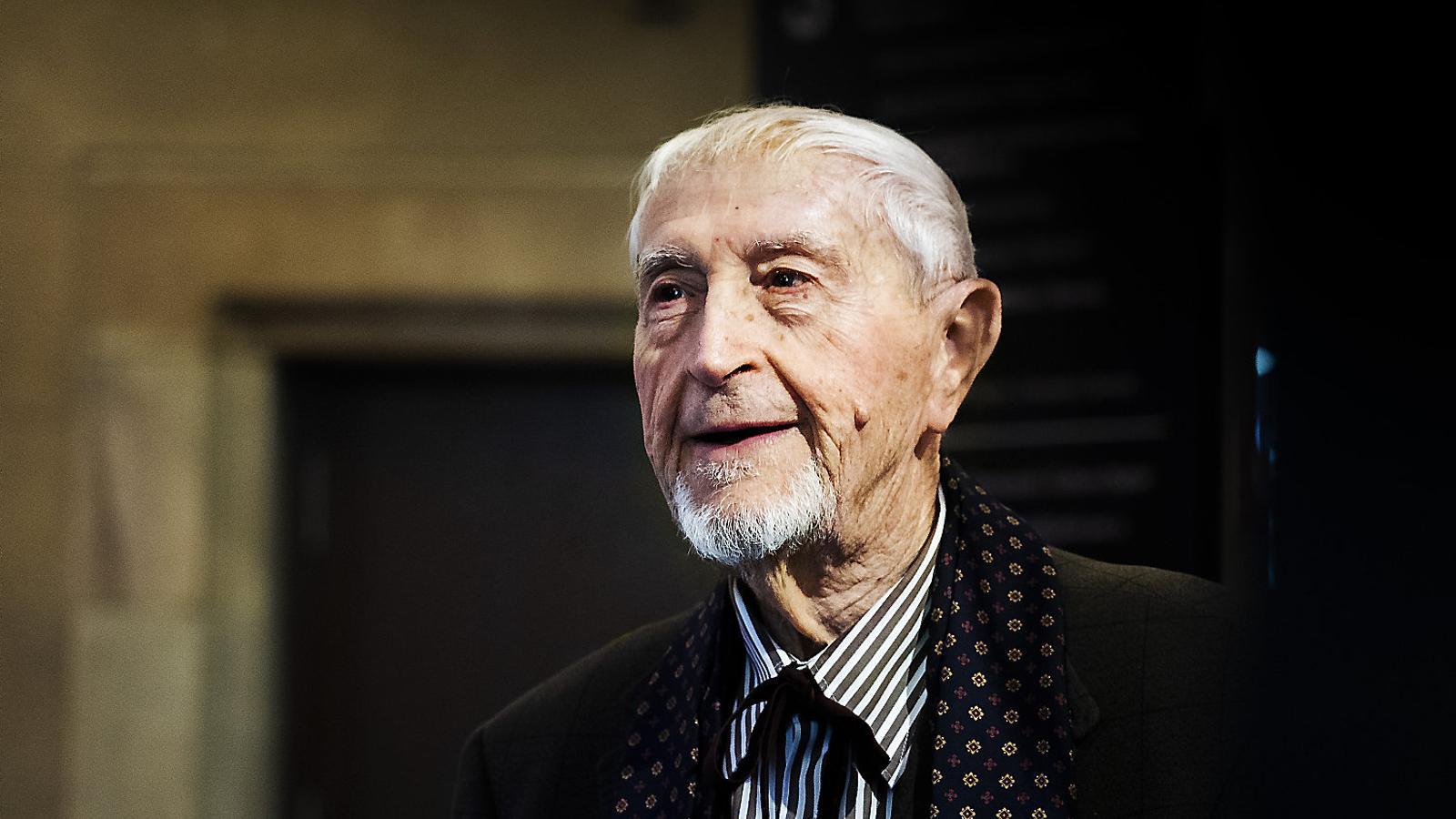
On July 24th, there was a moment at the church of Sant Domènec in Balaguer when everyone looked back. The tap-tap; tap-tap-tap-tap-tap-tap moved along the central aisle at the speed that President Jordi Pujol always maintains. Seen and gone. He parked without saying a word. Few words. But it came out of him from who knows where: “What a man!” That is how he said goodbye to his friend: Josep Vallverdú.
Pujol and Vallverdú met in 1951. Before that, Josep Espar Ticó had already been working for some time: spotting young people. This is how Catalan spy movies begin. The country flying through the air. Mosaic. There were only pieces. They neither knew each other, nor knew of each other. It is the household china. And since 1939, the first movement against the lethal dictatorship is the Catalanist one, the Catalan one. Not the Trotskyist, nor the plumber, nor the internationalist. I tap for a moment on the 16-year-old Josep Vallverdú so that he may say it in his own words: “I was aware that we were the defeated ones. And very soon, before Jordi Pujol told me, I had a motto, that the war was lost by Catalonia.” It was the first Loctite of the resurrected Catalonia.
Vallverdú and Isabel Arqué would be sent by Pujol-Espar to Balaguer. They would work as teachers at the high school, but they would have a double life. Day and night. In the gloomy apartments of the old, countly, proud city, they showed the candle of the homeland to the young: Catalan, history, literature… And they saw each other there. We are not dead: we are alive. Time passed, but they were always there. A Pujol, fresh out of the Zaragoza prison, went to look for Vallverdú immediately: you must write a book about Lleida. He could already smell the noise of the steamroller of annexation of Lleida to Aragon. From this comes a book that turns everything upside down to this day: Lleida, problema i realitat. Until the very last moment, they knew each other, spoke to each other, saw each other. Different, divergent, discrepant, but with the same goal, mission. That is why there are goodbyes that do not need hands and the greatest cry has no tears. The man who feels much speaks little.
Vallverdú, at 103 years old, died in a hurry. Without saying anything. Pujol, on the day of the Diada (on Catalunya Ràdio), left that answering machine message in the air, like an empty apartment when you leave for a long weekend, for a getaway: “I am turning off, but most of you are vital people, with hope and a future; there is a lot of future for you, a collective future”. He says more things, but above all, he says this. That is why we are a country, not a bottle of anisette. While the Díaz Ayusos of the Castilles, or of the Castilian-Martian-herbal tea Catalonia, can only talk about their penthouse, their farmhouse, their bunker with a “It's for sale, bye bye fish”. Pujol (as Vallverdú already did) says a proto-goodbye and goodnight. Goodbye. See you later. Take care. Be well. Until later. Forever. The keys have already been handed over. Now, the mess is yours. All yours.
A country is a staircase to go up (also to go down, or to stop on the landing). The steps are the generations. One after another. Without a staircase and without steps there is nothing. Only void and death. Without Vallverdús, without Pujols, without so many people… That's it. Right now the weight of everything falls upon us. But the decisive step will be another: the children. More than ever, Catalonia exists because it is a hypothesis. And after a goodbye, a hello must come. If you hear it, it means we are here.
