Opinion on the supreme opinion

On more than one occasion everyone has found themselves, and continues to find themselves, in front of someone who gives their opinion without anyone having asked for it. Many people express what they think about the things others do without the others having any special interest in knowing their opinion. But we opine. We opine constantly, one and all. Those of us who complain about the opinions of others also opine indiscriminately. Although there are ways and ways to express opinions. Social networks, for example, have blatantly fostered the general tendency in human beings to opine. They have become the paradise for those who have no one to listen to them in the tangible world. Virtuality has given them free rein to manifest themselves continuously while waiting for a reply. It is the sport they play sitting down. The idea is to compete all the time. To see who says the biggest thing. And also who has the biggest one. The advantage is that one can live without networks and one can read a book instead of reading messages.
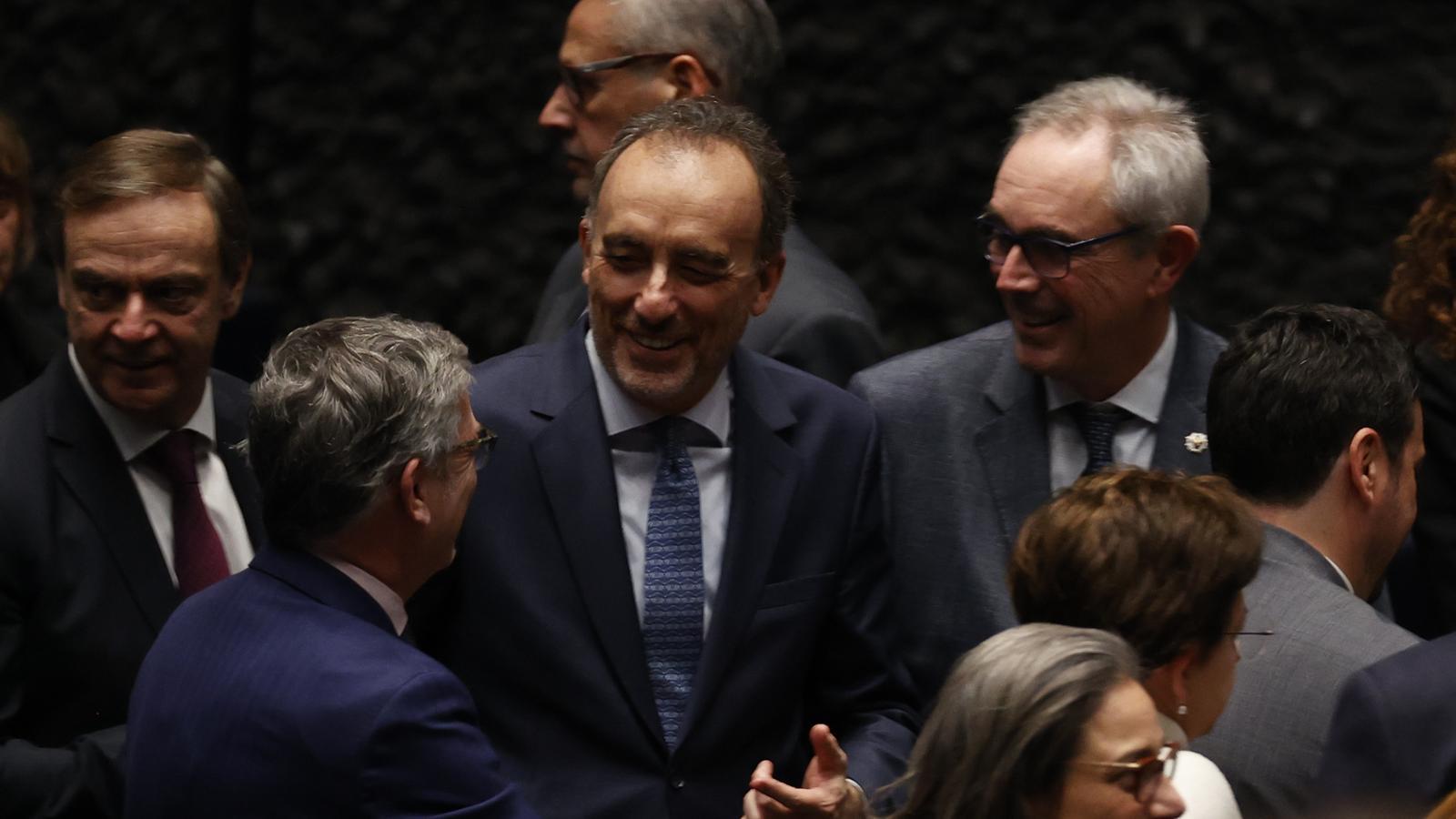
But we judge. Both what the politician of the day has said and what our friends or the butcher or the taxi driver say. What you do not expect from people who are professionally dedicated to judging is that, based on the laws, they also give their personal opinion. I am not interested in knowing the ideological effort that those of the Supreme Court have had to make to abide by a ruling of the Constitutional Court. Because, in reality, what they are telling me is “look at what a good professional I am that, despite not agreeing, I owe myself to my superiors”. Congratulations for having chosen your job yourself. But it is not just that. Because Marchena makes it explicit that he does not want an “institutional clash” while reproaching the “excessive epithets” and “manifestly dispensable and absolutely unnecessary considerations” of the Constitutional Court. He does not want an “institutional clash”, effectively, he only wants to give his opinion, which I understand that if you are the president of the Supreme Court you cannot resist. Because of being supreme. But since, for those of us who are not religious people, the only judgment that counts is the earthly one, these kinds of considerations put even more in evidence, in case we needed it, the fragility of the judicial power. Because there remains a grudge that you hope, at the moment the tables are turned, will be compensated by a contrary interpretation. Or who knows.
The judiciary is not an independent power, and the application of laws depends on the interpretation made of them. This is a problem we have already suffered and will continue to suffer. We are at the mercy of opinions and of a human justice that, like the divine one, is not fair to everyone. The Spanish justice system has the obligation to execute the rulings of the CJEU (which does not necessarily mean they are fair either) and, from there, the judges' opinions should be reserved for their family or friendly lunches. But all in all, naturally, it is just an opinion. In this case, mine. Signed with name and surname. Real ones. And you will also give your opinion. And with luck, at some point, we will reach some conclusion. For the moment, however, the game consists of thinking. It is not a classic, but it should be.
