Of vulgarity in politics
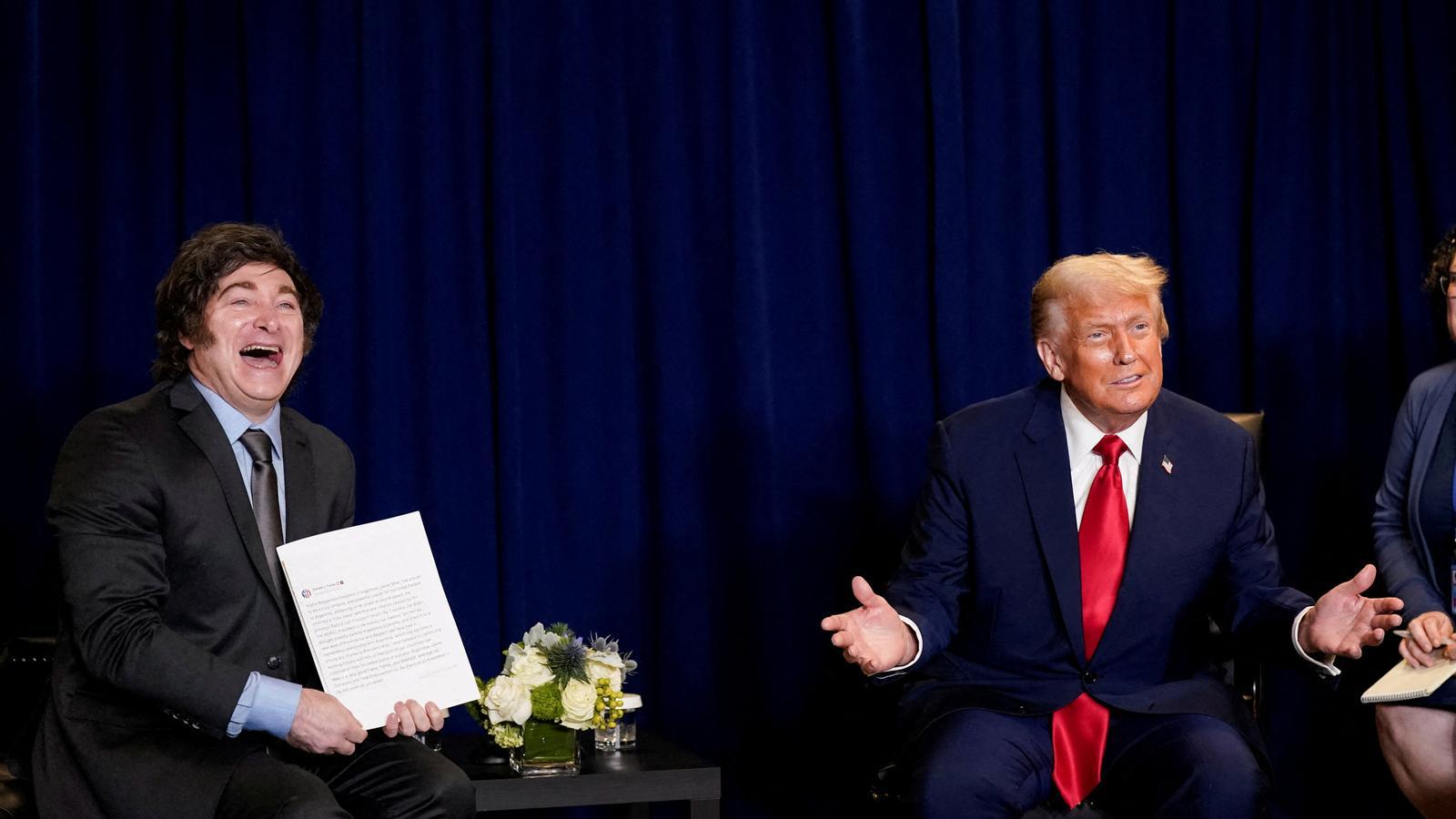

"We are facing a massive lack of respect, of kindness, of tact", wrote last week Ignasi Aragay when referring to the latest work of the philosopher Byung-Chul Han. Shortly after, I heard the bitter and vulgar statements of Javier Milei in the context of his tour in Spain. Anti-Peronist post-Peronism: some Argentines are trapped in this loop (the role of post-Evita is played by his sister Karina). Milei's political baggage, and also Trump's, took shape within hysterical talk shows and other similar media by-products. It is not a mere biographical anecdote, but the key that explains their way of understanding and exercising their respective presidential roles. The television environment of reality shows functions under very specific rules: acceleration, unnecessary dramatization of conflicts, immediate impact and the more gruesome the better, etc. In these strained, unhealthy, and extremely vulgar environments, calm deliberation and nuance have no place because they do not generate an audience: it's that simple. Language must be visceral, provocative and, above all, devoid of the filters recommended by aesthetics, common sense and good manners. For many people –increasingly so, if we look at certain electoral results– the aforementioned filters are directly identified with hypocrisy. We are in trouble, then...
All of this connects with the culture of pseudo-authenticity, the cult of emotional spontaneity, and vulgarity understood as proximity. The idea has consolidated that everything said without a filter, impulsively, represents the true self of the individual, while restraint, diplomacy, protocol, or the search for a minimum consensus are interpreted as signs of falsehood or pretense. Under this paradigm, the politician's conduct is no longer measured by the rigor or consistency of the arguments, but by the intensity of the emotion they wish to express. For many adolescents, farting or belching in public is a demonstration of noble daring, not a lack of respect and a sign of immaturity. I know people who, despite not being adolescents at all, still see things this way; they tend to be easily amused.
When transferring these dynamics to politics, the figure of the unfiltered leader becomes the ultimate manifestation of this supposed frankness. When a politician shouts, insults, shows anger, or uses vulgar language, there is a part of the electorate that, imbued with this emotional culture, does not see a lack of civility or preparation, but the irrefutable proof that what they say is what they really think. "They are not subject to the dictates of political correctness or the interests of the elites!", they claim with admiration. In the case of Trump, the experience of the reality show taught him to capitalize on this effect: the character most valued by the audience is usually the one who seeks frontal confrontation.
The fusion between the reality television format and the paradigm of spontaneity has ended up transforming public debate. The space for negotiation or complex analysis of structural problems has turned into that oily narrative of good guys and bad guys that Ignasi Aragay explained the other day. Passionate loyalties, overacted adhesions, that threatening chainsaw... Since this—let's not kid ourselves—usually works, constant provocation becomes an effective communication strategy that holds the public's attention while nullifying any attempt at rational discussion. Ideas are never usually presented as proposals subject to review or debate: they are indisputable truths, like fists, that demand visceral adherence or rejection. No half-measures, no doubts. Aspiring politicians are taking note of it.
The emergence of figures of extreme vulgarity such as Trump and Milei reveals a very deep crisis of the traditional channels of political and journalistic mediation. Accustomed to consuming immediate social interactions unfiltered through social networks and television, society seems to demand that its representatives act with the same logic. The fixed and unsettling gaze of the President of the Argentine Republic is, therefore, not an isolated or bizarre phenomenon, but the logical result of crossing the sordid grammar of certain media products with an era that, as described a few years ago in an essay by Michel Lacroix that I recommend to you, The Cult of Emotion, has become addicted to heightened stimuli, whether in an amusement park, at a rally, or in television programs infra dignitatem.
