London, Brussels and the impossible challenge of leaving Brexit behind

Every new geopolitical threat has served to bring the United Kingdom and the European Union a little closer. For a year now, London and Brussels have been in a process of accelerated and silent reconnection. The Russian invasion of Ukraine opened the doors to defense cooperation, and the Trump disruption, now magnified by the horizon of economic and energy crisis generated by the war in Iran, has increased the need for economic and commercial understanding.
The United Kingdom and France are already leading the so-called "coalition of the willing" that is studying the deployment of a force to guarantee compliance with a future ceasefire in Ukraine. For Germany, European defense has always been a matter of three, and continental instability quickly facilitated understanding between Paris, Berlin, and London on security matters. Donald Trump's attempt to annex Greenland in January and his recurring threats to leave NATO further strengthened cooperation between Europeans. Now it is economic instability that is accelerating behind-the-scenes negotiations in London and Brussels to establish a closer relationship at all levels.
Last week, British Prime Minister Keir Starmer called for realism, as such a "volatile" international situation requires Britain to build a closer relationship with the EU. Almost a decade after the Brexit referendum, the Labour leader has tasked his ministers with negotiating a “reset” that realigns the British economy with the continent.
Starmer came to Downing Street in July 2024 promising to restore the United Kingdom's relationship with the EU, but with very specific red lines: no return to the customs union; no return to the single market, and no return to freedom of movement. One of the reasons the British government gives for maintaining these limits is that it does not want to give up the advantages of the free trade agreements it has negotiated on its own. But the reality of the figures shows that the agreements signed since Brexit with Australia, New Zealand, or India do not compensate for the loss of GDP as a consequence of leaving the EU's single market and customs union.
Outside the European Union, it is cold. And in times of Trumpist instability, even more so. According to official data, the effects of Brexit have resulted in a reduction of British GDP by up to 8%; a drop in trade of around 15%, and a fall in investment of 18%. A recent survey, published by YouGov, stated that if there were a referendum tomorrow, 63% of Britons would vote to rejoin the EU. However, the wounds of Brexit still sting on both sides of the English Channel. That is why Downing Street insists that this rapprochement with Brussels is not an ideological bet, but solely a strategy in favor of British economic interests.
In this context, in May 2025 the EU-UK summit sealed a "common understanding" that listed 20 areas of cooperation to be developed. Since then, Britons have rejoined the Erasmus+ program for the exchange of students and teachers, but the issue of youth mobility to live and work in the United Kingdom remains stalled. Integration of the United Kingdom into the European electricity market is also being negotiated. Furthermore, Britons expected to benefit from new public procurement rules in defense matters to boost opportunities for British companies, but these negotiations are also bogged down. At the same time, London is studying the best way to align with the single market in an attempt to reduce prices and regulations so that its companies can once again access this giant market on their doorstep without obstacles. All this would ideally be concluded before the summer holidays and, for the moment, a next summit between the United Kingdom and the EU is being considered for the end of June or July.
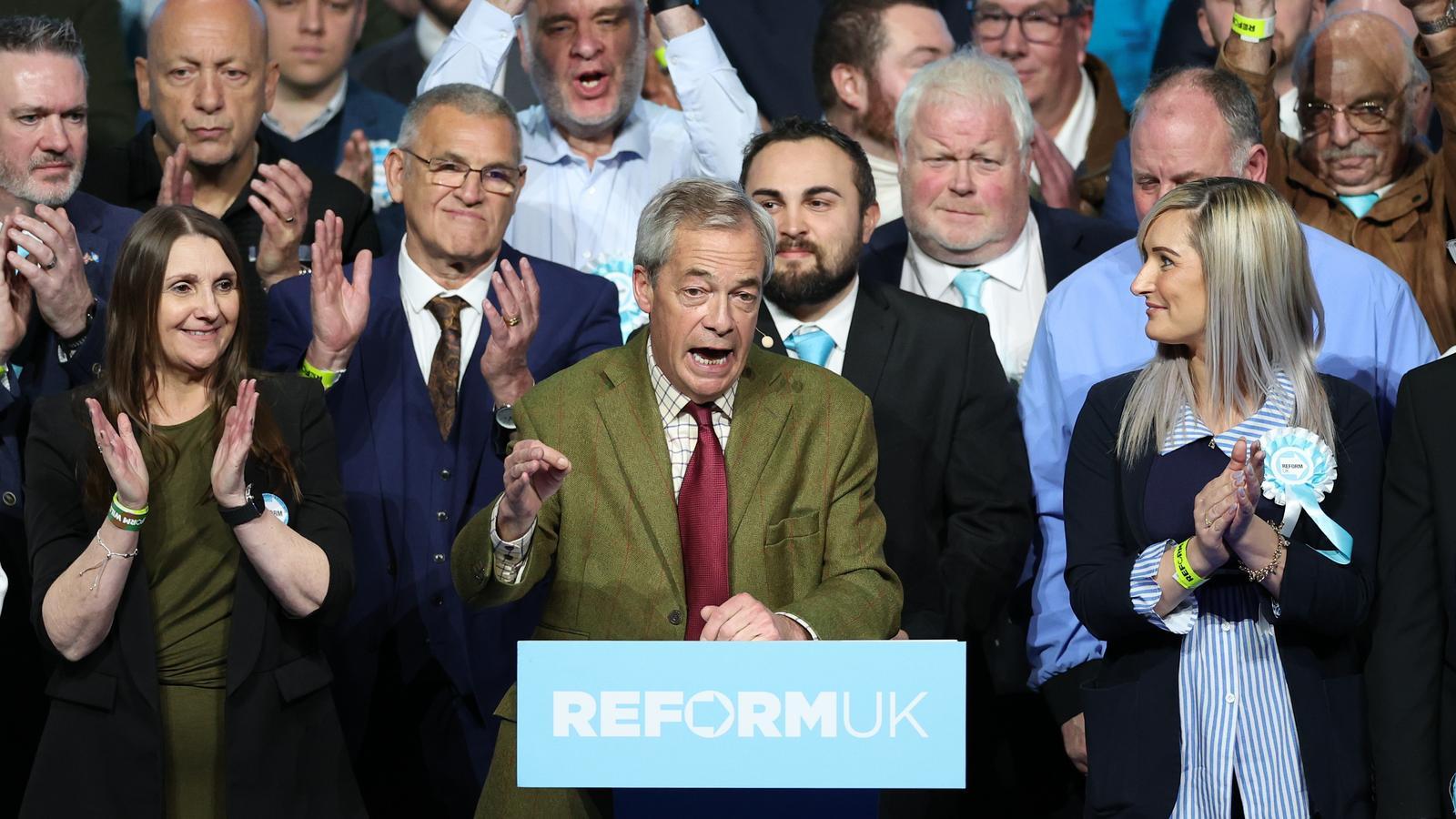
The problem, however, is how to leave the trauma of Brexit behind. Brussels is incapable of overcoming the mistrust caused by the electoral landscape in the United Kingdom because, even if there were a hypothetical majority in favour of rejoining the EU, polls also indicate that if elections were held now, Reform UK, the party of the Eurosceptic Nigel Farage, would probably be the leading force in the House of Commons. In fact, there is information suggesting that some member states would like to include a "Farage clause" in negotiations, which would oblige a future UK government to pay compensation to the EU if, once again, the British decided to withdraw from signed agreements. Starmer's government could find itself trapped in an impossible paradox: it needs a better trade relationship with the EU to boost growth and reduce the chances of Reform UK leading the next government, but the EU will only offer it better terms if it is sure that Farage's party will not reach Downing Street.
