It is happening, you are seeing it

In their childhood innocence, a creature who used to watch the news (they didn't understand everything, but were fascinated by live broadcasts, images, and correspondents) asked how they would manage on television to broadcast the news on days when nothing happened. A few decades later, they still remember the impression the answer made: “There will be news every day because the world is very big and things always happen. In fact, today they could have explained many more than they said”.
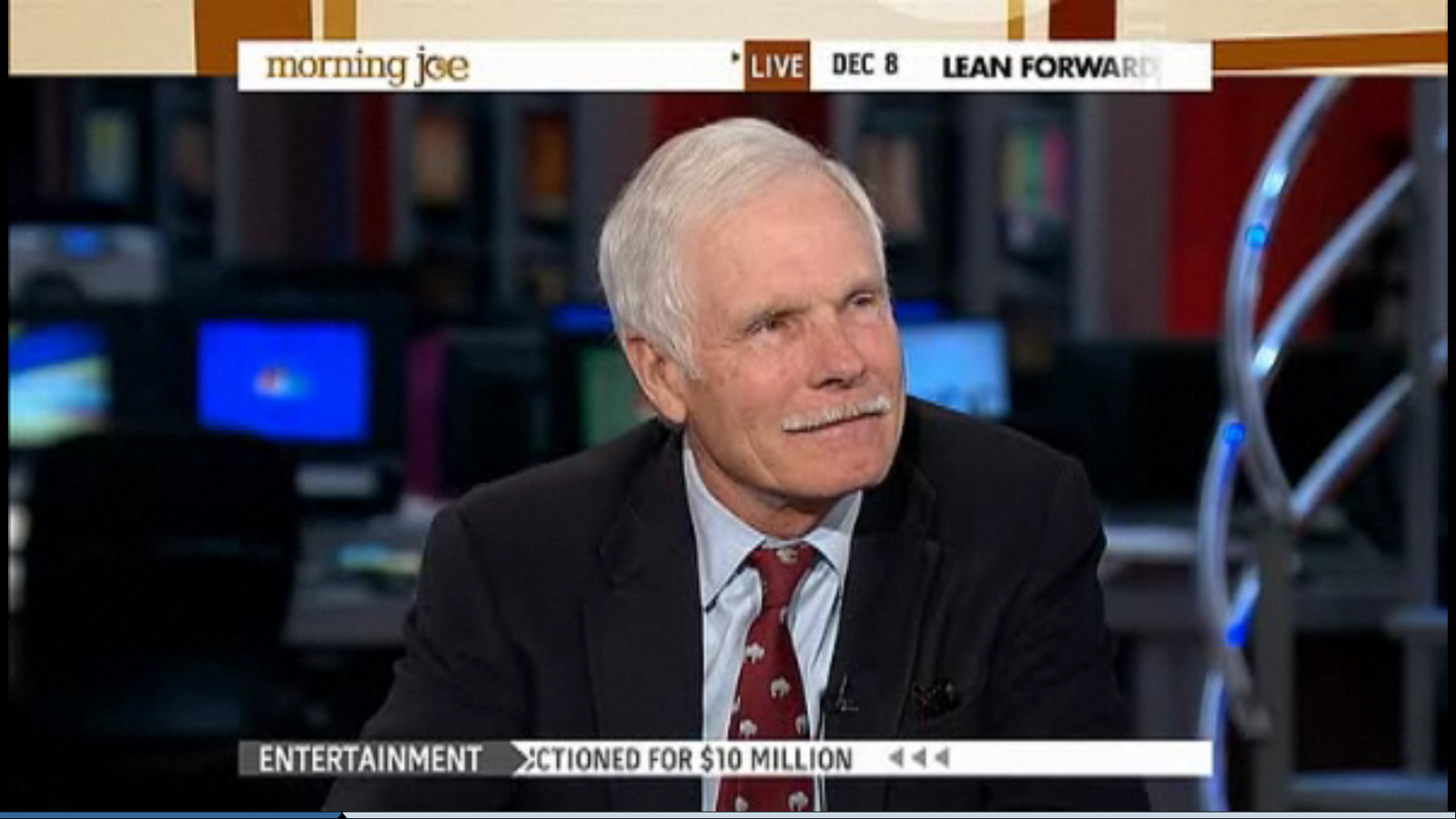
I can assure you that Ted Turner did not hear that conversation, but the idea of CNN was that: things always happen, and you can explain them continuously.
Now, for the business to make money, you have to be lucky enough to have a world-changing event, like the first Gulf War, in 1991, considered the first war broadcast live to the whole world, of which CNN did such good coverage that President Bush Sr. said: “I find out more about what's going on from CNN than from the CIA”.
But presidential elections happen every four years and there have been two pandemics in a century, so things always happen, but some are more interesting than others and ratings suffer.
And then there's the issue of bias: when Fox News discovered the business of political tele-evangelists, who were outraged with Obama and adored Trump, CNN began to be seen as a channel without substance. Today, just as CNN ushered in a new era of news, social media acts as the new 24/7 without the need for a subscription. And content creators are building more powerful brands than the traditional networks. Ted Turner, a man capable of the worst and of giving millions of dollars to the UN, died yesterday, with an undisputed place in the history of communication.
