Heatwaves, inequalities, and urban policies

-
CAT -
CAST
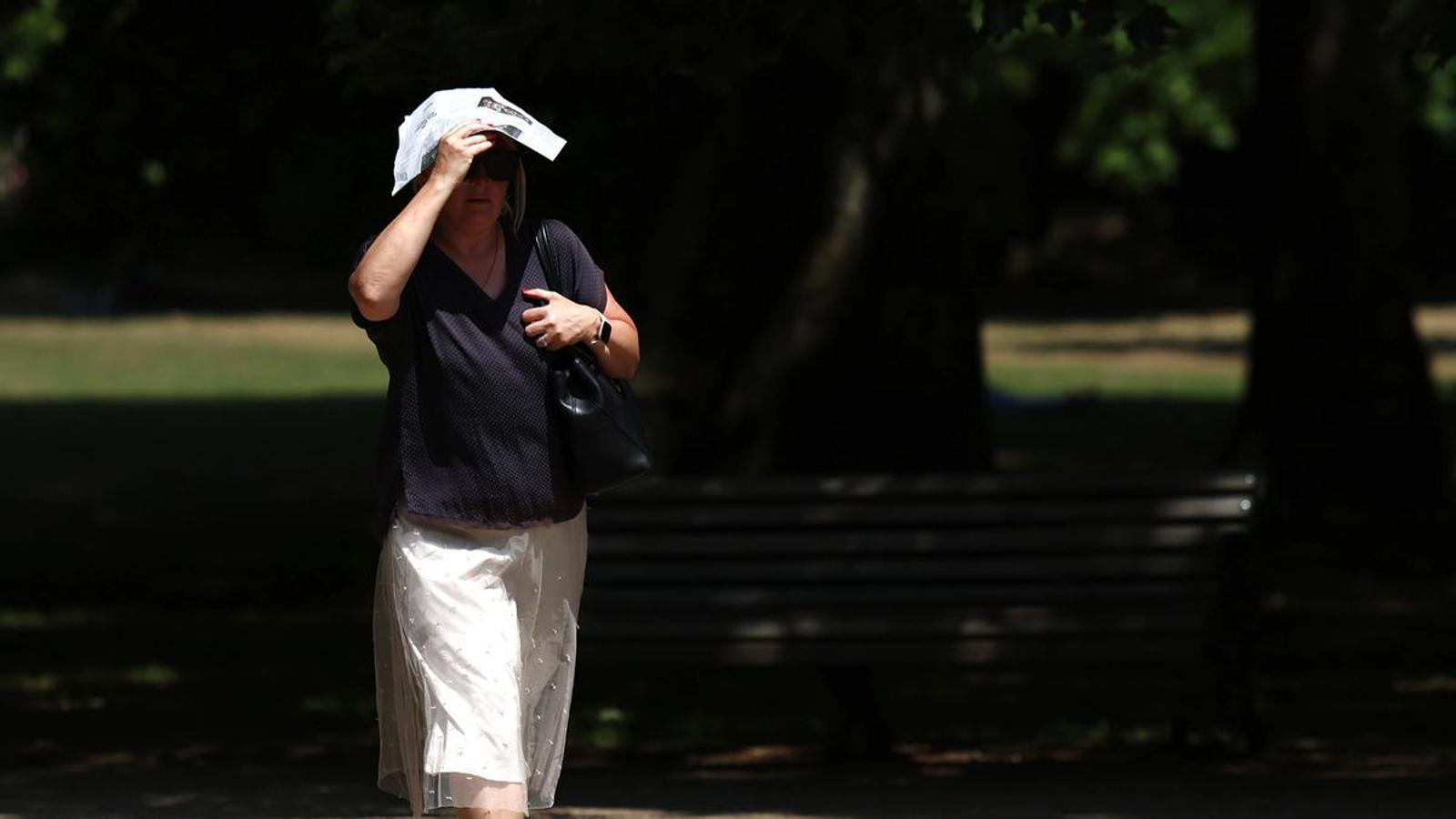
For some years now, heatwaves have been more frequent, longer, and more intense. Climate change is no longer a distant threat, but an everyday reality that manifests itself in our streets and squares, and, above all, in our homes.
Each heatwave leaves a death toll that we often accept with resignation, as if they were inevitable. We talk about it for a few days, check the thermometers, recommend staying hydrated, and wait for it to pass. But extreme heat is already one of the climatic risks that causes the most mortality in Europe. And what is most worrying is that it does not kill randomly: as always, mortality is unevenly distributed.
Faced with this situation, many European cities have begun to implement adaptation policies. Trees are being planted, climate shelters are being set up, streets are being transformed into green corridors, and solutions are being sought to reduce the urban heat island effect that turns city centers into veritable ovens during the summer months.
In this regard, the scientific evidence is quite clear. We know which groups suffer the most, which neighborhoods concentrate the most vulnerability, and which policies have the greatest impact, which are not always the most visible. The problem is no longer a lack of knowledge; it is the difficulty of turning that knowledge into political priorities.
The effects of extreme heat are not evenly distributed. A recent study by the Institute of Public Governance and Public Policies of the UAB observes that in the socially most vulnerable neighborhoods of Barcelona, the temperature can be up to one degree higher than in the most favored neighborhoods, a fact that shows that the climate crisis amplifies inequalities. Neighborhoods with fewer social and economic resources tend to have fewer trees, fewer green spaces, and less shade. Their homes are usually less thermally insulated and are more vulnerable to extreme temperatures. Many families do not have adequate cooling systems or limit their use for fear of an increase in the energy bill. Added to this is a greater presence of elderly people living alone or particularly vulnerable groups.
This reality has a direct impact on health: mortality is higher in the most disadvantaged neighborhoods, hospitalizations increase, cardiovascular and respiratory problems worsen, sleeping becomes a difficulty, and physical and mental health suffer. Extreme heat is not just an environmental problem, but also a public health and social justice issue.
The public debate on priority interventions, however, remains too focused on the most visible ones, those that offer the best photograph. For example, the transformation of streets into green axes, which, while necessary, if not properly planned with other urban policies, can end up widening social inequalities.
What is most visible should not be confused with what is most effective. The best urban climate policy is one that directly protects the most vulnerable people where they spend most of their time: in their homes. The primary climate adaptation infrastructure is housing. For many vulnerable people, the difference between a well-adapted home and a deficient home is a matter of health and well-being, and, in the most extreme cases, survival. Climate policies only work when they dialogue with other social policies.
If the goal is to reduce deaths during heatwaves, priority should be given to concentrating resources where vulnerability is greatest. Rehabilitating homes, ensuring cooling for the elderly and at-risk individuals, detecting situations of social isolation, and increasing tree cover in the most exposed neighborhoods are actions that, according to available evidence, have a much greater capacity to reduce mortality than many generalist interventions. Climate justice is not about distributing resources uniformly, but about allocating them where they can save more lives.
The challenge of adapting cities to climate change involves two concepts. The first is deciding where to invest, whom to protect first, and how to translate scientific evidence into public policies. The second is that urban policies never act in isolation. When a city plants trees, it also transforms mobility, housing values, and the social composition of neighborhoods. Understanding these connections will be as important as deciding which actions to prioritize.
A resilient city is not one that better withstands heat. It is one that decides that no one should see their risk of dying increased simply because of the neighborhood they live in, the quality of their housing, or their economic resources. Because heatwaves are inevitable, but part of the effects and deaths they cause can be avoided.
