Governments change, violence continues

-
CAT -
CAST
There is a sentence in a recent report by Cristina Mas published in this newspaper that I have been pondering for days. A young photographer from Gaza is asked about the Israeli elections and responds that the only doubt they have is who will bomb them from now on. It is hard to find a more terrible way to describe how little political alternation means for those who have been living under violence for decades.
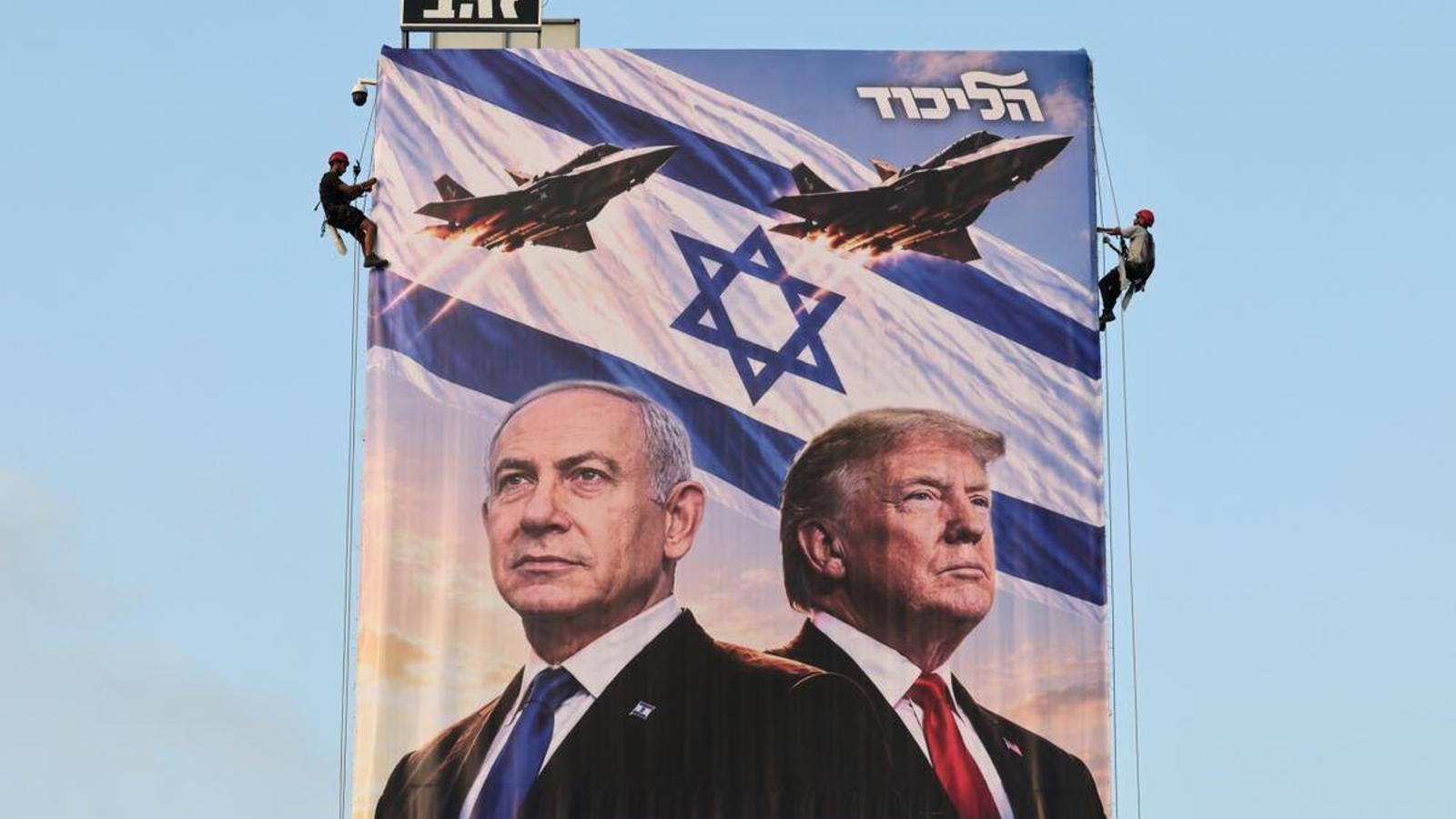
In Israel, the elections have left a majority opposed to Netanyahu, although it is not yet clear if he will leave power. In the United States, the Democrats have regained both chambers of Congress after a historic defeat for the Republicans. These are important results, especially for those of us who have long viewed with concern how far the far right can go when it controls—and erodes—institutions. But perhaps we should ask ourselves what these victories mean for those who have not been able to participate in the decisions that condition their survival.
In the Israeli case, the problem is especially evident. Netanyahu is responsible for atrocious crimes, but it would be naive to think that his departure would put an end to a system of colonial domination that has preceded him for decades. The colonization of the West Bank, the systematic discrimination against Palestinian communities that we call Israeli Arabs or the denial of their right to self-determination and liberation have survived governments of different political colors. And those who now aspire to replace him do not question the foundations of this system either.
In Washington, there are reasons to pay attention to what is changing. Unconditional support for Israel is starting to have an electoral cost, and candidates openly critical of United States policy towards Palestine have achieved significant victories. The new Congress could limit arms sales, investigate Trump's abuses, and question a relationship that for decades seemed untouchable. It would be a mistake to dismiss these possibilities.
But it is worth remembering that Trump is still in the White House and that American support for Israel did not start with him either. Biden continued to supply arms while Gaza was devastated. For decades, Democrats and Republicans have contributed to sustaining, politically and materially, the Israeli occupation. That some are now starting to question this consensus deserves attention. But that they might break it... remains to be seen.
All of this makes me worry about our ease in interpreting any electoral defeat of the far-right as the beginning of a deeper transformation. I fully understand the relief, and I share it. Sometimes, however, we seem so focused on who wins an election that we forget to ask ourselves which policies survive those who lose them.
Perhaps we should pay more attention to the people who appear in Mas's report. None of them expect major changes. They have learned, through displacement, violence, and loss, that their rights may continue to be ignored regardless of who governs in Tel Aviv or Washington.
Celebrating that Trump is losing power or that Netanyahu might leave government makes perfect sense. But as long as the freedom of millions of Palestinians continues to depend on the will of others, there will be something profoundly insufficient in our democratic celebrations. And in Gaza, they will continue to wonder who will bomb them next.
