Geopolitical vulnerability and trade

An open international trade system has, in its favor, a strong reason: it can provide goods and services at a comparatively low price and, at the same time, provide markets for companies that can supply them from anywhere in the world. Both, consumers and producers, benefit from it. The gains can be very considerable, and that is why its volume (sum of exports and imports) has reached 60% of global GDP.
With volume, the territorial complexity of production chains has grown. Inevitably, and this is not always sufficiently appreciated, vulnerability to sudden disruptions has also increased. Simply put, there are two types: natural and geopolitical.
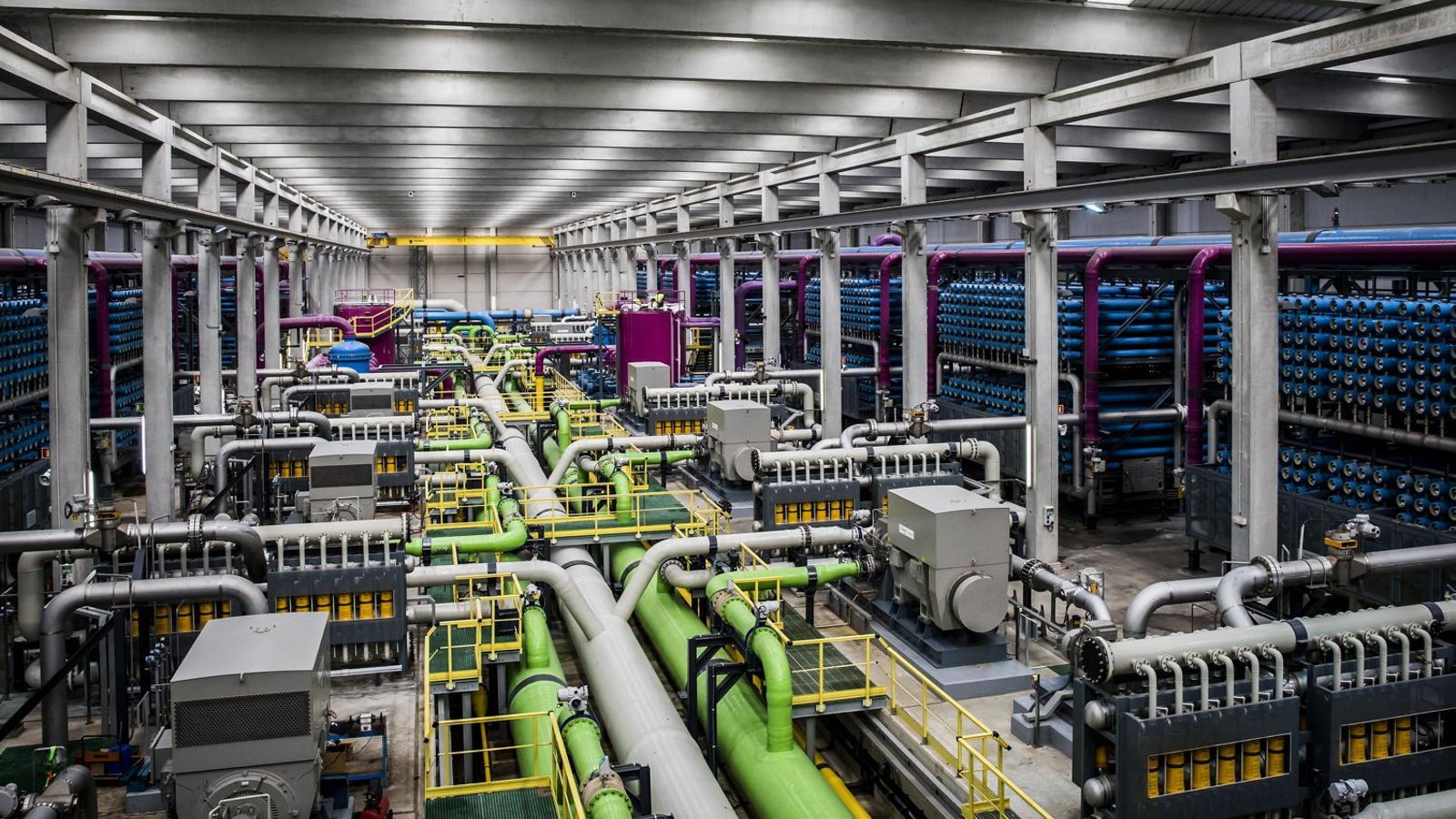
A natural disruption would be a pandemic. I also apply the term to the consequences of the blocking of the Strait of Hormuz. There is much in common between the effects of a volcano and those of President Trump: both act without thinking. We must therefore count on having them and that we will need to foresee and minimize their effects without giving up the benefits of international trade. For this, we will need public policies that encourage the establishment of stocks, the diversification of supply sources and, in some cases, even the maintenance of idle production units but with the capacity to start up quickly (model: desalination plants). It must be said, however, that we will not be able to be guided by an absolute principle of prudence. Pretending to isolate ourselves completely from natural risk would require so many resources that it would impoverish us to intolerable levels.
With the term geopolitical vulnerability I mean the consequences that arise when economic interdependence leans towards dependence, and then, being invited to political submission. Putin tells us: "I have natural gas and I demand Ukraine"; Trump tells us: "I provide you protection and I demand Greenland". It is a situation that is leading Europe towards the agenda of what has been called strategic autonomy. Part of what this agenda proposes is similar to what is recommended for managing natural disruptions. But its raison d'être is deeper, as here the purpose of being less vulnerable is not simply to suffer less when disruptions occur, but also to weaken the negotiating position of a disruptor who may be thinking from time to time. And thus, to avoid them. However, even if they are avoided, countermeasures must be permanent. Once the possibility of political blackmail is revealed, trust is broken, and that nothing happens is simply a sign that the countermeasures are working. They must be maintained in perpetual vigilance. A corollary is that they cannot be extreme measures for extraordinary times. It would not be sustainable. They must be built gradually, and carefully when optimizing economic costs. They cannot incorporate, for example, a generalized aspiration for self-sufficiency. In many areas, such as energy, smart diversification policies of suppliers will prosper. If in any area – such as those that have a core relationship with defense – self-sufficiency is considered indispensable, it should be planned with a European perimeter (no European region should aspire to it) but with distributed implementation (all regions can be part of it).
Strategic autonomy will be impossible without European companies, that is, companies with headquarters and decision-making bodies that legally operate within the European regulatory framework. In particular, we cannot afford to be completely absent in cross-cutting areas where we have today missed the boat, such as those related to the internet, social networks, or AI. To stimulate European business vitality at the technological frontier, we need to implement the entire program of the Letta and Draghi reports. And also public activism in areas such as research, public procurement, regulatory flexibility, and financing facilitation, which may include equity stakes. And to prevent, not by decree but by the decision of entrepreneurs, that what is born in Europe disproportionately leaves Europe.

But there is one thing we must not do: protect the technologies of the past. That would be suicidal. If, for example, Europe limits – with tariffs or with pacts with the Chinese government – the entry of electric vehicles, it must be on the condition that, verifiably, European companies in the sector convert to electric vehicles and that we all, public and private, decisively promote it. The combustion engine is a technical marvel, it can subsist like vinyl in the era of digital music, but the future is electric.
