From Sánchez to Illa

-
CAT -
CAST
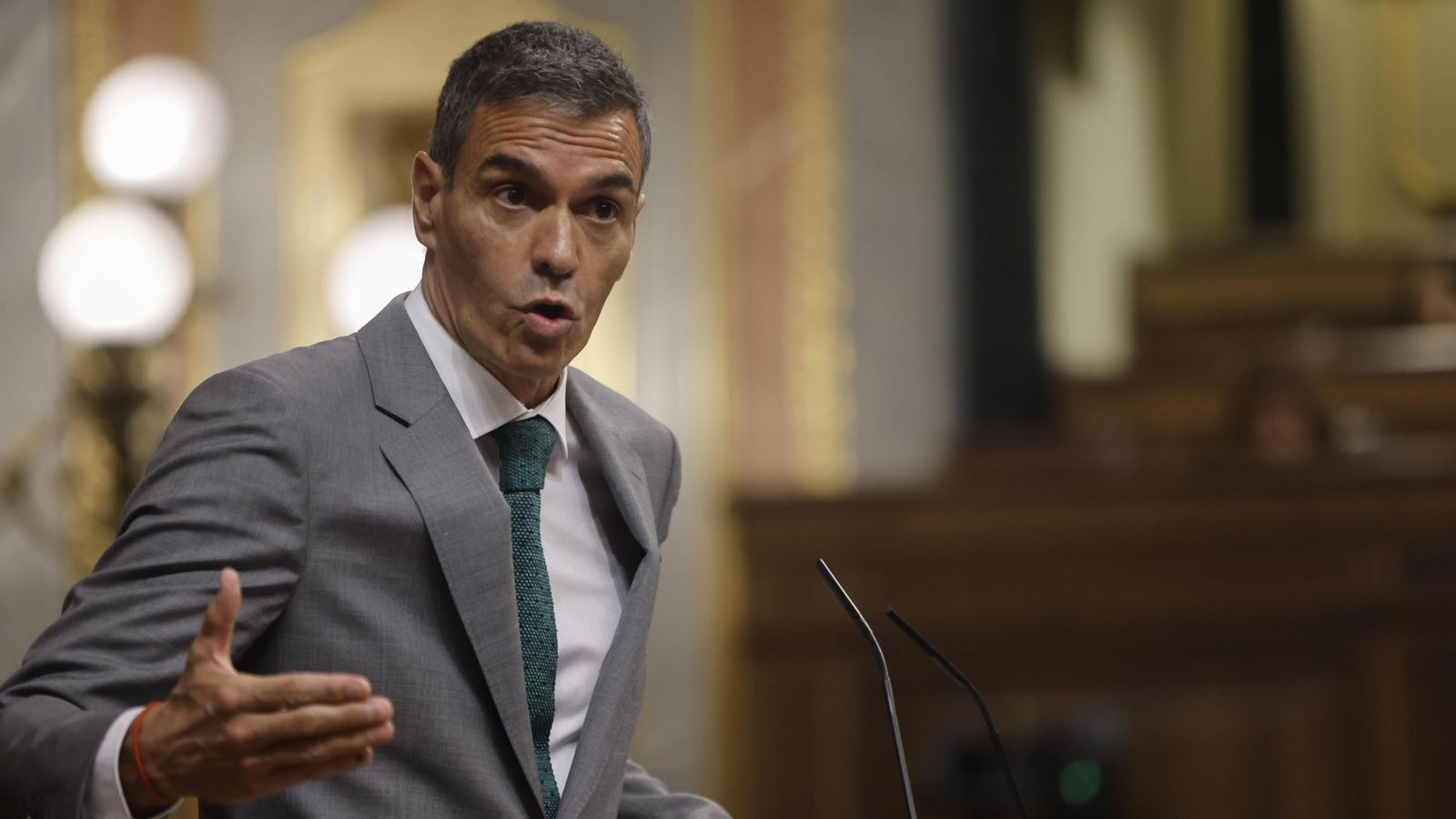
These days we are seeing how the Ceuta crisis is causing Pedro Sánchez to collapse. The Spanish president had found a tone and a profile that allowed him to take advantage of the gaps produced in a Europe that is brazenly shifting towards post-democratic authoritarianism. This had worked for him in Spain and abroad, at a time when the left is rapidly blurring. Management—and it was noticeable day by day—wears you down, but a certain sense of anticipation and a style contrasted with the permanent state of irritation of the right gave the president some leeway.
The invasion of Ceuta, however, has paralyzed him. He has reacted late and poorly, and with a servile attitude towards Morocco that has disfigured his image as someone who always arrives before the tables are turned. After having exhibited a bold leadership that until now had allowed him to jump over obstacles—deposited with the complicity of a crude and soulless right—he now has it tough.
The construction of leadership is decisive in politics. And the secret lies in finding the tone that the moment demands. For this reason, in Catalonia, right now the narrative is quite different. If Sánchez rose and resisted by directly confronting the Hispanic right in a phase of radicalization, here President Illa faced the Catalan and Hispanic right through the opposite path: a low profile, without ideological excesses and without appealing to the dynamic of friend and enemy, at a time when the independence movement was in retreat. Calm was needed, and Illa saw the opportunity. And right now, low tension predominates in Catalan politics, to the point that the independence process remains as a story further away than it has been. Certainly, the fact that the right has clung to Puigdemont helps him, because he is, inevitably, a figure from the past that prevents conservative nationalism from regaining rhythm. But the feeling that is beginning to prevail is that the quiet force—once the hangover of the conflict has passed—could become a problem for the president. Low-profile periods are necessarily fleeting. And it is increasingly evident that whoever wants to advance will have to raise the tone. A job well done is not enough. If Illa does not take a leap towards building a narrative beyond pacification, his recognition could vanish, for reasons opposite to those that are holding back the figure of Pedro Sánchez.
