
This week horribilis For the railway system and for the mobility of Catalans, everyone is digging through the archives to confirm the circular, Sisyphean dynamic of Catalan politics. In 2007, soon to be twenty years ago, a massive demonstration (the first with a profusion of Catalan independence flags) denounced the infrastructure deficit. In the same year, the economic elite held a major event at IESE Business School to demand the transfer of management of El Prat Airport to the Catalan government. Clear symptoms of the storm that was beginning to brew. We know that history never repeats itself, but we also know that there are some constants in our timeline that are difficult to deny. We could almost quote Francesc Cambó, who proclaimed in the Republican Cortes: "This Parliament will pass, regimes will fall, parties will disappear, but the living fact of Catalonia will endure." The question is to determine what this "living fact" consists of. made alive.
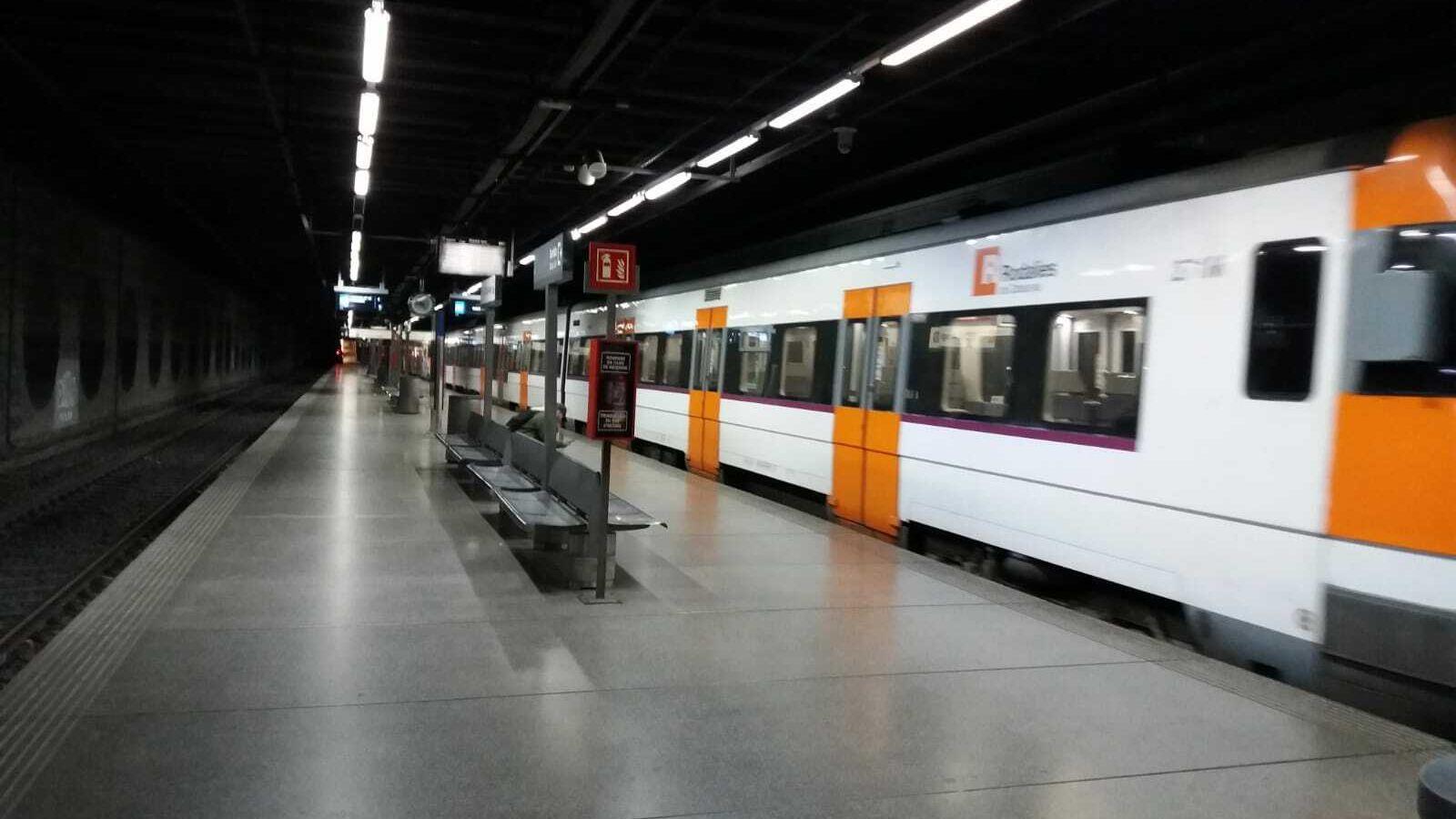
Based on this week, what certainly remains is the paradox of a favorable macroeconomic situation with strained and deficient public services; the certainty of financial mistreatment that is no longer circumstantial, but rather the result of a conscious policy implemented for decades by administrators of all stripes. Parliaments come and go, regimes fall, parties change, but the made alive The Renfe debacle remains, as a symbol of a broader phenomenon: intentional disinvestment and ongoing fiscal plundering. Add to this population growth and housing prices, and you have a powder keg. These are fundamental, systemic grievances that the recent agreements reached by ERC—regarding commuter rail services and regional funding—may mitigate (if they are never fully implemented), but they will not resolve them completely.
In the general anger generated by this situation, there are two groups in Catalonia: those who feel mistreated and say "enough is enough," and those who, in addition to the mistreatment, suffer the unbearable feeling of being treated like minors, like irresponsible children. These are the ones who, two decades ago, turned to sovereignty. Because they perceived a political root in the mistreatment, and because they decided that blaming Spain might have been easy and pleasant for the regional governments, but it wasn't healthy or appropriate for a mature society like ours. The Process wasn't driven solely by grievance, but also by the desire to regain control, to make Catalonia the master of its own mistakes and successes, at least on such a basic, domestic issue as the mobility of its citizens. Unfortunately, the dead end in which the independence adventure ended has returned us to square one.
There's an interesting new development in this week's events: the PSC is now having more trouble imposing its narrative of "normalization." However much they try to talk about good governance—in contrast to the chaotic period of the independence movement—stubborn reality is telling them that playing nice and calming social tensions won't solve systemic problems. I think Salvador Illa wants to be seen as an efficient president, but events like this week's undermine his mediocrity, because political efficiency depends on the power one can wield, and the power of the Generalitat is what it is, enough said. Illa wants to lead "the government of all," but the only thing that affects everyone, whether they feel Catalan or Spanish, is the decline of public services. Luckily for the PSC, the collective anger doesn't currently have a strong political impact. But the made alive The Catalan dissonance, which is a phenomenon of the spirit, but also has to do with the need to arrive on time to work, will subsist.
