Ceuta as a symptom
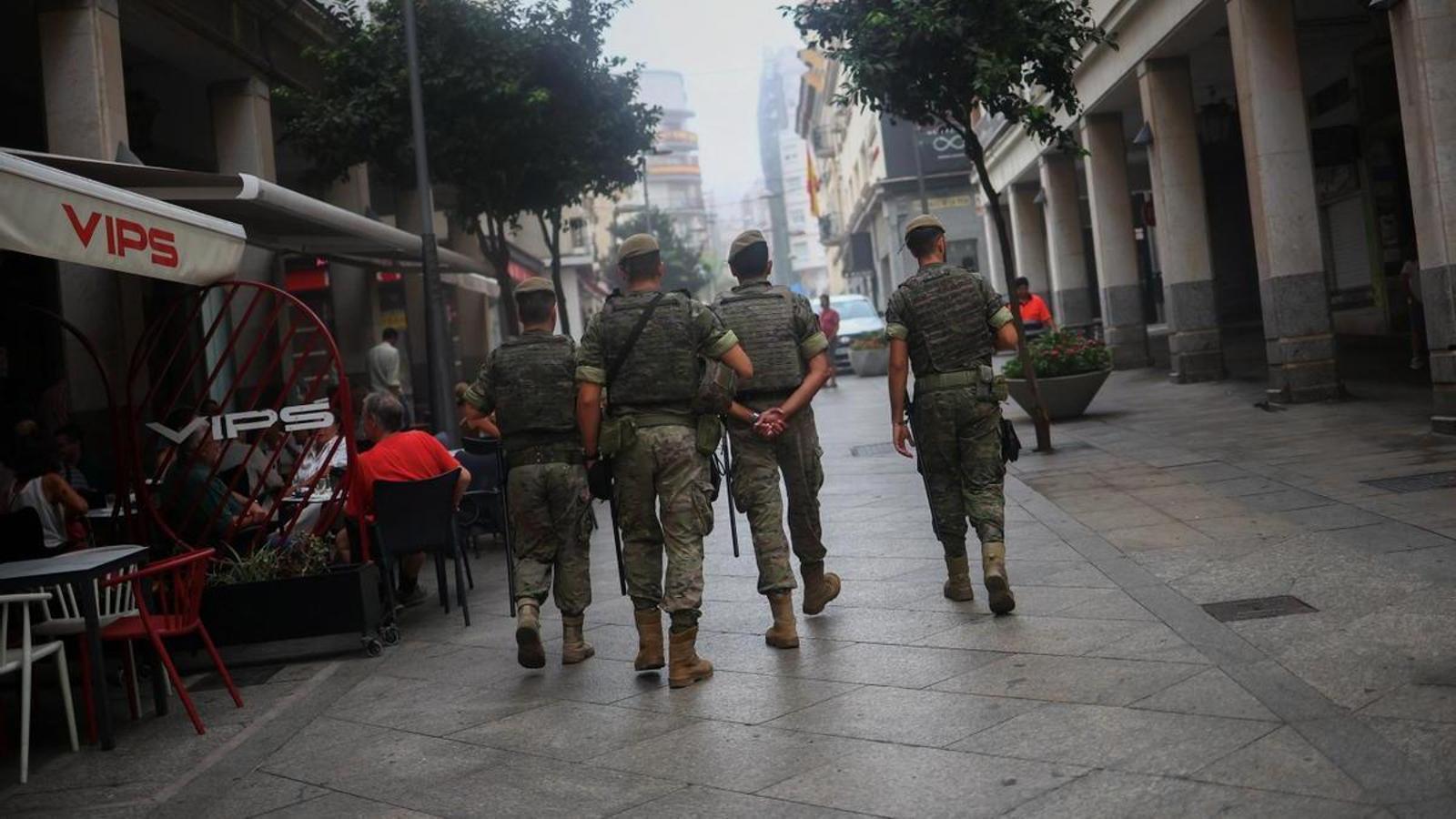

Ceuta is not just a migration crisis. It is a symptom. Camps have been burned, food distributions prevented, and entities that help migrants have been threatened. A Vox deputy has spoken of “hunting” immigrants “one by one”. When we say hunting we have reached the body. Because you do not hunt ideas or migration problems. You hunt bodies.
Ceuta reminds us what a border is. Borders are political fictions with terribly real consequences. Some of us cross them by plane or ship almost without seeing them. Others have to jump a fence, swim, hide, or risk their lives. The same line is a door for some and a wall for others. The difference is the body that tries to cross it.
There are bodies that circulate and bodies that are stopped. Bodies that do not arouse suspicion and bodies that must explain who they are and what they are doing here. The passport, money, place of birth, or skin color often decide which side of the border you end up on.
But the border is moving. The hostility is already reaching those who give food to people in need, NGOs, journalists, and the Muslims of Ceuta. Today the migrant is singled out; tomorrow anyone who occupies a periphery can be singled out. When I speak of periphery I am not speaking of minorities: centrality does not depend on number, but on power. Peripheral is whoever remains outside the place from which what is normal, legitimate, or universal is defined and who has less capacity to participate in the narrative that organizes collective life.
The decline of Europe worries me especially. Despite its contradictions, Europe is, for me, the best social experiment built so far: democracy, rights, individual freedoms, social protection, equality before the law. A construction also born from the ashes of that Europe that Stefan Zweig saw collapse. Zweig explained how the foundations of freedom had been eaten away long before the walls ended up falling.
Are we so scared that we will vote for people and programs that announce they want to liquidate essential parts of this model? Are we really going to hand over freedoms because they have convinced us that the problem is always others?
This summer, in Menorca, at sea, I saw enormous, disproportionate yachts. I am concerned about this way of being in the world: the need to feel exceptional, to consume to confirm one's own importance, to turn the world and people into objects at the service of one's own self. This logic contaminates much more than any migrant body. It consumes resources, erodes bonds, and convinces us that living consists of placing oneself above others.
The two images: the migrant trying to cross a border and the large yacht crossing it without seeing it, place us before the evidence that it is not movement that unsettles us. It is who is moving. Some bodies have the world at their disposal; others have to ask permission to exist.
Ceuta is a symptom because it forces us to decide what we want to defend. Europe will not protect itself by persecuting the bodies that arrive at its borders, but by protecting that which made it better: that no power can decide that a woman, a homosexual, a trans person, a poor person, a migrant, or anyone else is less worthy of freedom.
The most dangerous border is not that of Ceuta. It is the one we can redraw between the bodies we consider fully human and all the others.
I have never heard the far-right and the not-so-far-right criticize that money is increasingly concentrated in fewer hands. Are we really going to vote for a social model in which we will depend on the charity of these hands?
