Catalan, power and diplomacy

On the evening of the inauguration of the Barcelona Olympic Games, the American journalist broadcasting the ceremony for NBC warned viewers (with great suspense, which allowed them to eke out a few more minutes of audience) that the last time the King of Spain had entered that stadium's box he had been met with a good booing and that everyone was waiting to see what was about to happen. He was referring to the re-inauguration of the Montjuïc Stadium in 1989, when the Freedom for Catalonia group made it clear that either the Games were also in Catalan or there would be noise. That afternoon in 1992, viewers saw Joan Carles de Borbó entering to the chords of Els segadors, followed by those of the Marxa reial, amidst the audience's applause. After crossed threats, the Olympic pax avoided linguistic conflict, to the point that Catalan became an official language of those Games.
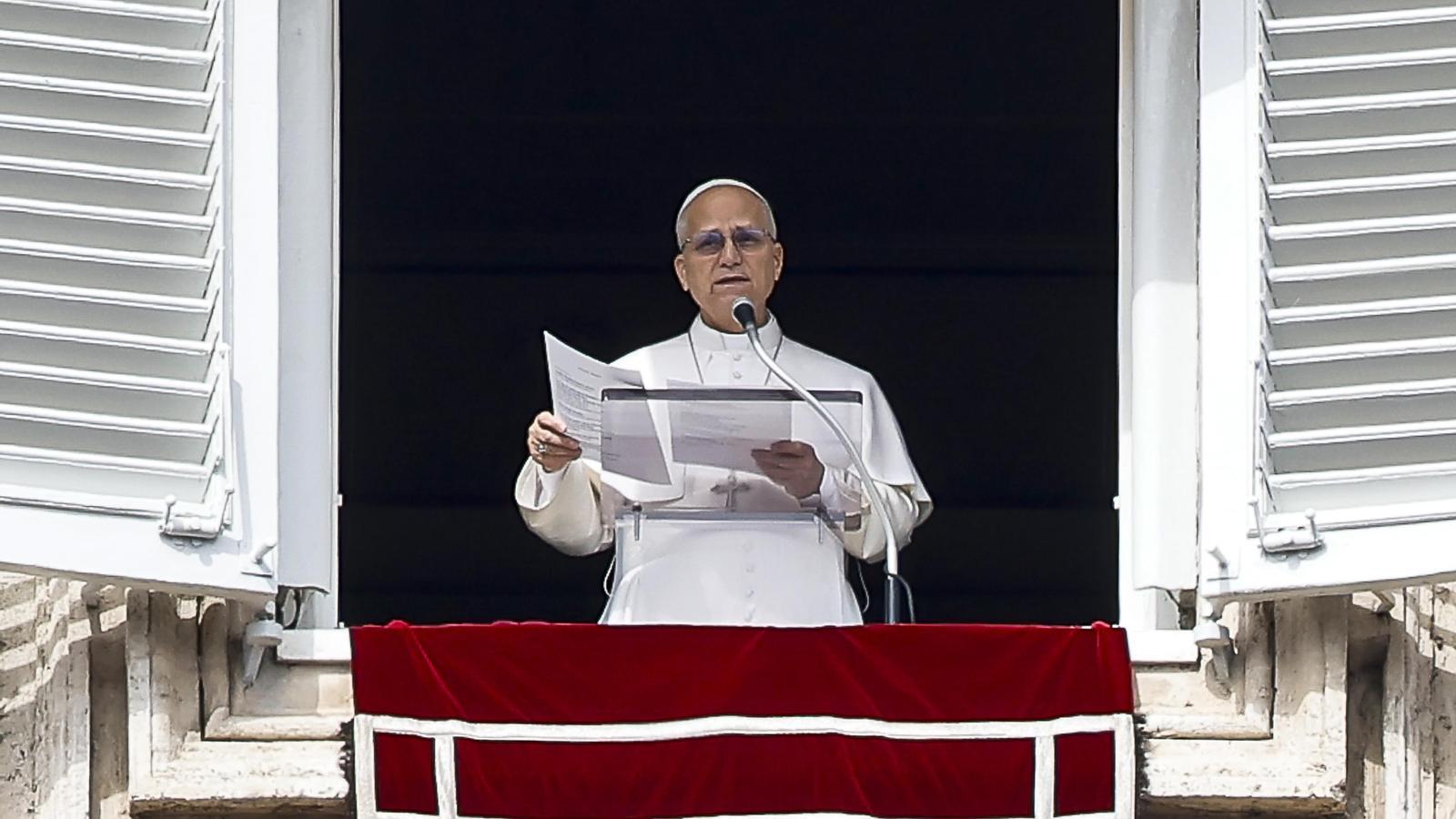
If there is no common sense and the planned protocol is not adjusted, the television commentators for the Pope's visit already know that on the 10th they have a similar opportunity to keep the audience glued to the screen at the moment of the papal blessing of the tower of Jesus Christ of the Sagrada Família. That 34 years after the Barcelona Games we still have to be pressuring and discussing the use of Catalan in Catalonia in a ceremony of global reach is a demonstration of how far, in Spain, political, economic, and, most sadly, ecclesiastical power only feels itself worthily represented by one language, and that hearing the Pope speak in Catalan in the presence of the State authorities is a kind of symbolic affront. More than three decades have passed and neither of the two countries, especially Catalonia, is as it was then, but the recourse of diplomacy still exists.
