The Tania Head hoax
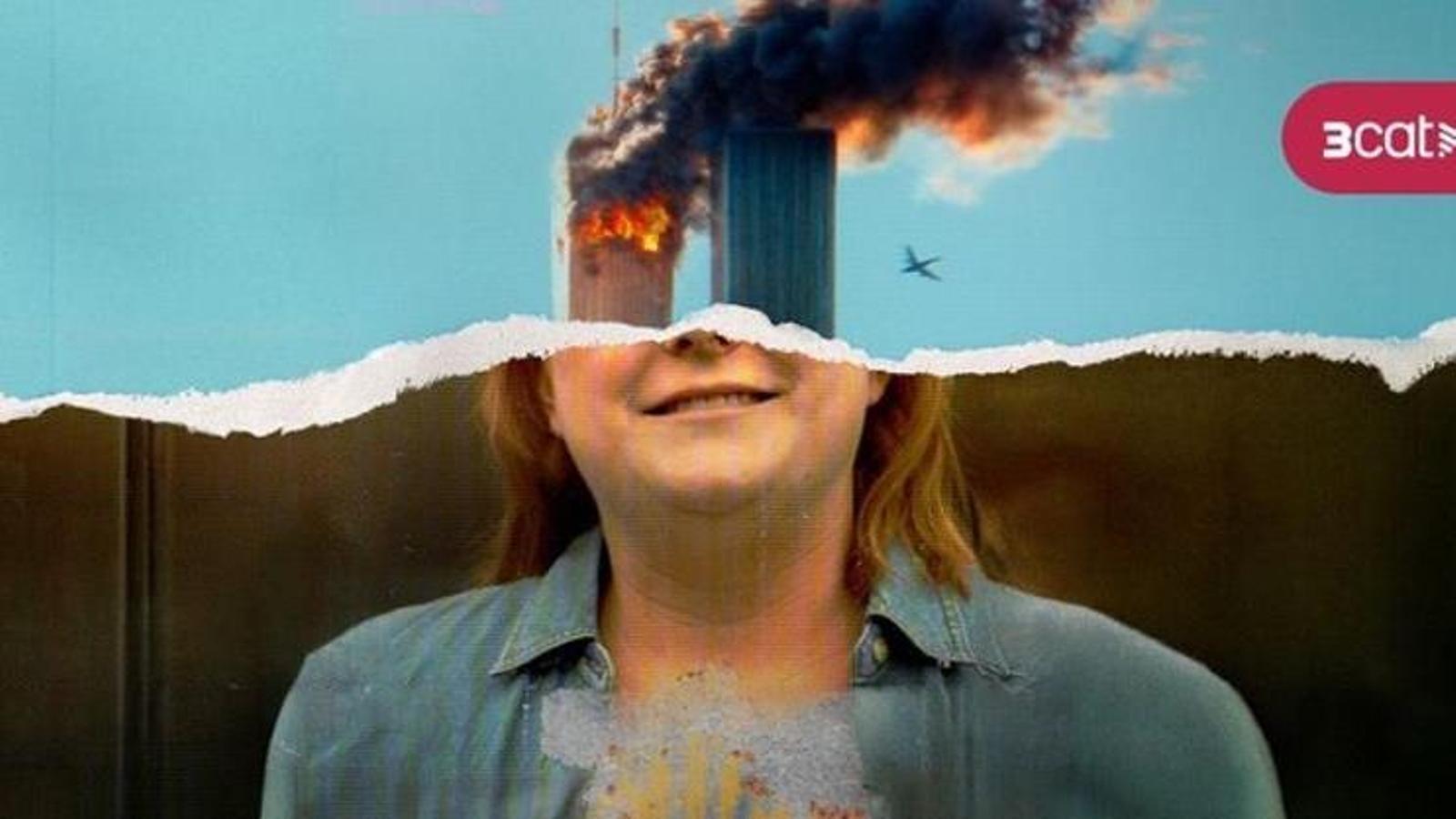

On Tuesday, Sense ficció premiered The Survivor, a documentary by Kike Maíllo and Markos Goikolea about Alícia Esteve, the woman who posed as a 9/11 victim under the fake name Tania Head and ended up managing one of the most important survivors' associations in New York. A story that, like Enric Marco's, provokes fascination. These are such extraordinary cases that it is inevitable for the viewer to be hooked with absolute predisposition, especially after the magnificent Oswald. The Forger,, by the same director.But La supervivent causes disappointment, both in terms of the research work and the narrative approach. The fact that the documentary begins with the director's voice talking about himself already anticipates a presence that will become invasive. The device of recreating the protagonist through the figure of an actress is understandable to complete the missing voice, but it ends up seeming like a method to disguise lame and timid research. La supervivent has an excess of theatricality and not just because of the actress who plays Tania Head. Maíllo's voice-over is too rehearsed. His presence is affected and artificial: with his coat on and collar turned up, he has an almost police-like and intimidating attitude. This demeanor does not fit with a story that, as it progresses, lowers the pretensions of its objective. No witness from Alícia Esteve's past shows their face. Not one. And the recreations of her statements lose authenticity. The stock footage of Barcelona hints instead of explaining.The chronology of the events and the New York stage provide few new details compared to previous productions such as The woman who wasn’t there by Angelo J. Guglielmo Jr. (2012). Furthermore, there is a certain informational regression when facing the dilemma of the right to privacy. In La supervivent, it is disconcerting that Alícia Esteve’s face is pixelated in images that have already been published and that her real surname is censored in the newspaper archives. Even that a beep is added when someone pronounces it. As the investigation evolves, we discover that, in reality, there is no investigation: “I think it is better to leave her alone,” says her mysterious boss. And the documentary obeys. Then, the only way out is to turn the production into a kind of philosophical reflection on lies and the need to invent a life for oneself, with conclusions as weak as “what makes a lie work is our willingness to believe it.” They throw in the towel and all that remains is to justify themselves by taking refuge in compassion for the protagonist: “We have reached the end of our search and, almost without realizing it, we have left behind the need to judge her.” It is inevitable to wonder if this prudence and extreme care to protect the fraudster would have also been applied to Enric Marco. If they were so concerned about her privacy, they should not have started looking for her. The viewer reaches the end with the feeling that the directors knew much more than they wanted to tell us and, therefore, as an investigation, it turns out to be another hoax.
