The last 'Polònia' has been a flop
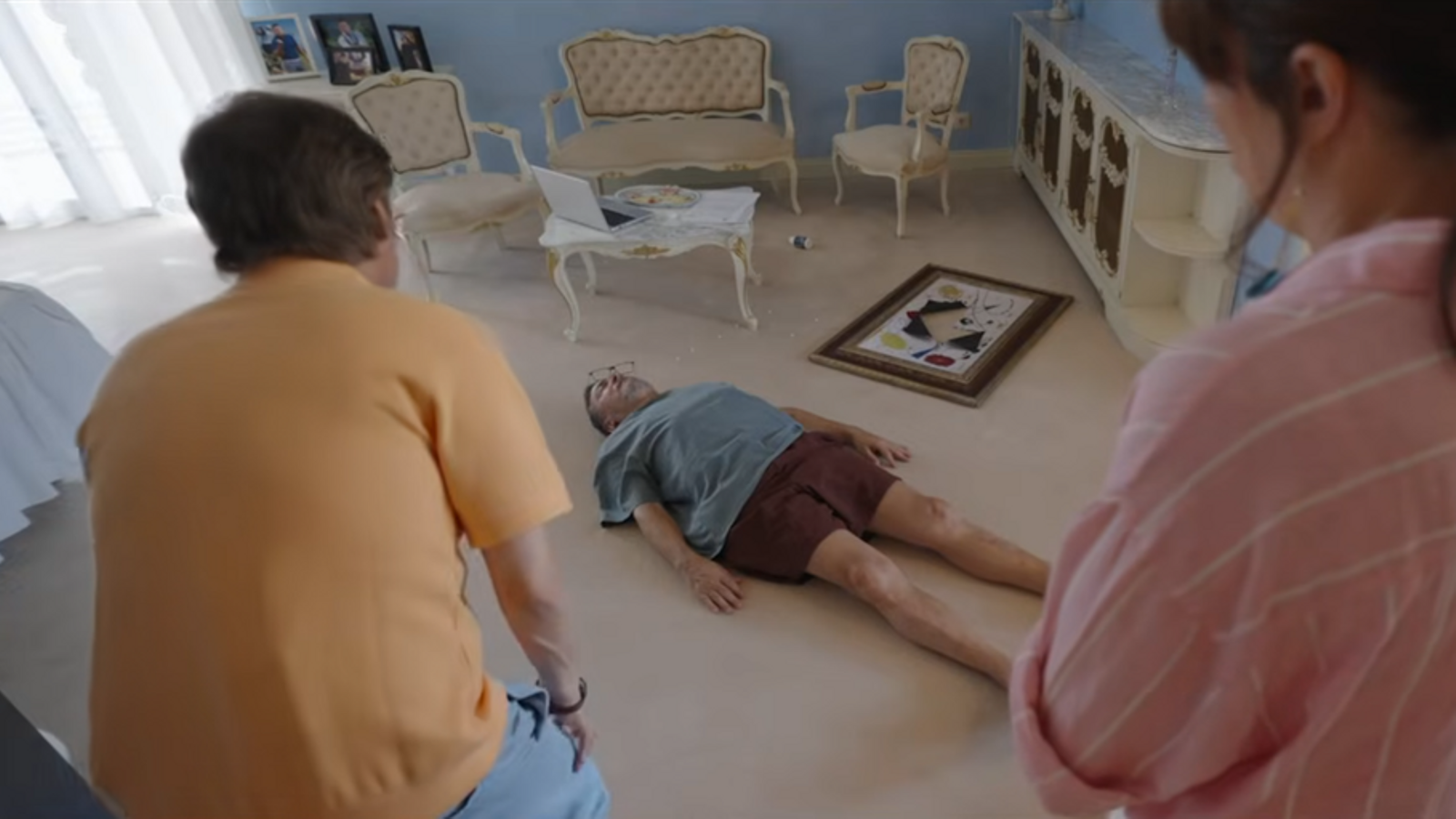

Thursday the Polònia said goodbye to the season with a special titled A death at dessert, which aimed to be a parody of A corpse for dessert. In fact, Robert Moore's 1976 film was already a humorous reinterpretation of classic detective films where a millionaire invites five detectives to dinner with the promise of a fortune to whoever discovers the perpetrator of a murder that will occur that very night. The political satire program abandoned the sketch structure to elaborate on a rather weak pseudo-telefilm where Toni Soler invited various characters from Polònia to an elegant farewell dinner to inform them that he would no longer count on them because next season they would be replaced by protagonists created with artificial intelligence. The disappointment of those affected led to the murder of Toni Soler, and the clones of Carles Porta, Díaz Ayuso, Gabriel Rufián, Santi Abascal, Pope Leo XIV, Sílvia Orriols, Torrente, brother-in-law Josep Maria, Oriol Junqueras, Ada Colau, Rosalía, Oliver Laxe, and the usual couple from the program investigated the case. The television proposal required an undoubted production and direction effort. And it is appreciated that they did not palm off another rehash of old sketches or musicals on us. The most striking thing was the location of the recording. It was carried out on a property so astonishingly decorated with a rococo luxury of the seventies to accentuate the burlesque caricature that the setting took all the prominence. The only reason you didn't tear your eyes out was the morbid fascination of confirming that such a house really existed. The mansion was the most hilarious, especially Soler's sky-blue bedroom.
However, the script and the dramatic outcome of the little comedy were so simple and insubstantial that it was hardly funny. At most, a forced grimace to stretch the upper lip. In the political satire of Polònia current events context is essential for humor to be effective. The viewer laughs not only at the scene presented, but at the scriptwriters' interpretation of current events. The political, social, and media reality of the world is essential for the parody to work. In twenty-five years, future generations will not understand many of the old sketches of Polònia nor the character of its protagonists because they will not have the necessary references that now make the gags seem biting and irreverent. The script of Un mort a les postres deprived the program of current events to build its own story, a pantomime that relied solely on the histrionics of the characters. The final result did not do justice to the effort that must have been invested in the execution of the program. It has been a very demanding and ambitious season for Polònia, with an apotheosis celebration of twenty years. Perhaps it is understandable that they ended up making a bit of a fool of themselves.
