Europe does not look at us... nor does it listen to us
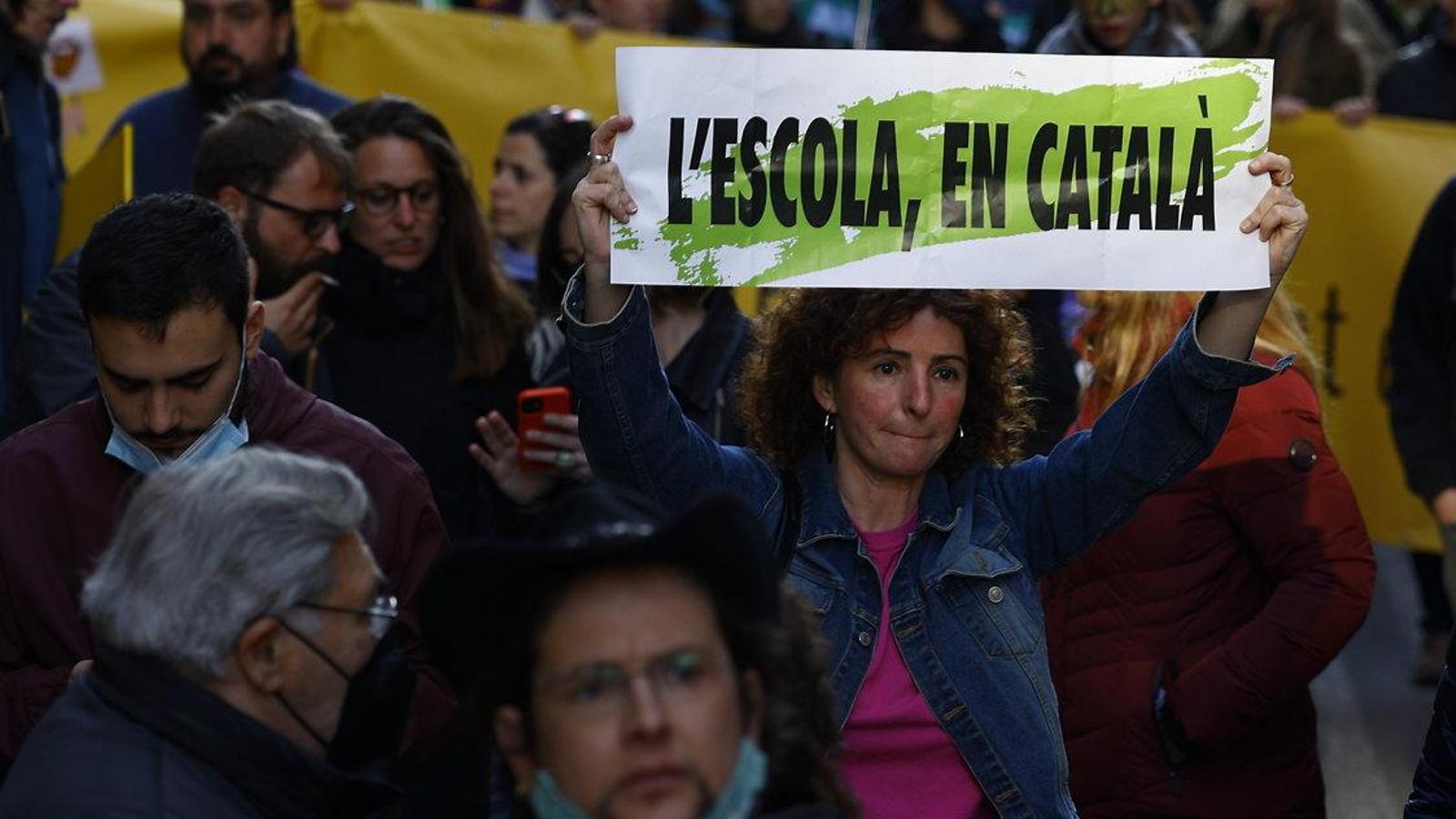

Newspapers can be analyzed for what they say but also for what they leave unsaid, hide, silence, or minimize. Front pages are often more eloquent than editorials, both for what they include and for their omissions. The European Court of Human Rights has endorsed the imposition of 25% Castilian as a vehicular language in schools, against any sociolinguistic criteria that analyzes the reality of Catalan in classrooms, playgrounds, and streets. Not long ago, this humble typewriter would expect to be buried by raging headlines from the cave, hurtful columns, and various proclamations. But this Friday morning, only El Mundo among Madrid's newspapers includes a small mention on its front page. The interpretation is clear: the issue of Catalan is considered won, one only needs to look at usage statistics and the dwindling mobilization capacity of Catalanist initiatives. Europe, which neither looks at us nor listens to our language, has made a pronouncement without legal consequences – what counts will be the Constitutional Court's ruling – but in other times with much less fuss, the usual newspapers would have manufactured a whole Easter candle about the persecution of Castilian in schools.
It is also significant that the two most widely circulated newspapers in Catalonia also do not consider the news worthy of a place on the front page. Only El Punt Avui and ARA refer to it, while La Vanguardia talks about Trump or Ayuso's boyfriend's little deals and El Periódicodevotes 70% of its front page to an ornamental topic about a forum organized by the publishing group: “The king claims the Mediterranean as a ‘space for dialogue’”. It would be good for the monarch, if he so appreciates diversity, to also defend immersion wherever he is invited: despite the failure in its application, it remains the only opportunity many students have to acquire a minimum level of Catalan.
