What has become of that Barcelona of design?
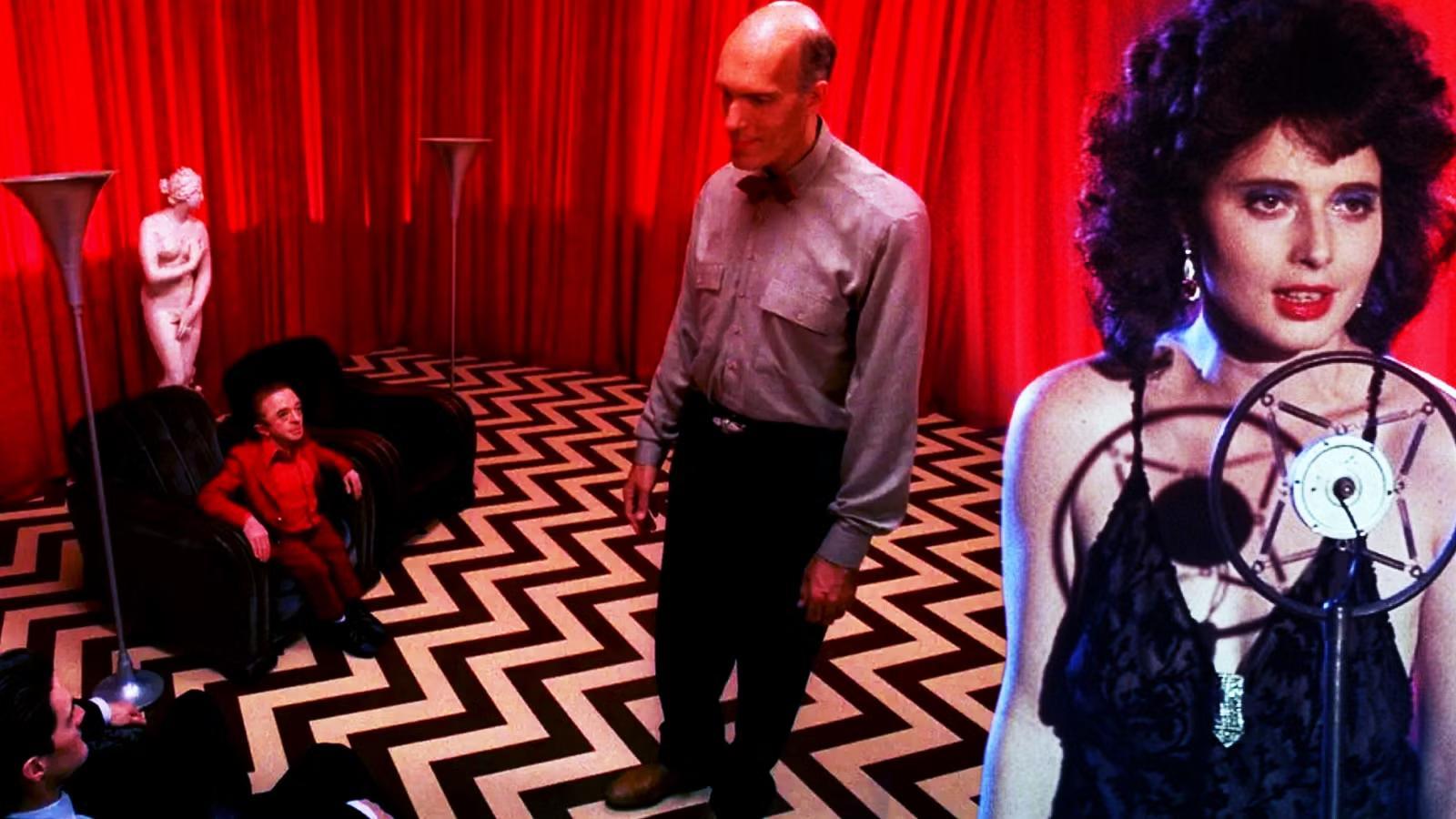
BarcelonaIf you liked the burly and always expressionless guy at the door, you had the right to dive into the world of Blue velvet by David Lynch, or that other futuristic planet of Max Headroom. Heavily made-up girls, “a touch of shadow here, a touch of shadow there”, large triangular earrings, American football-style shoulder pads, and black miniskirts. Guys dressed in Closet or Privata, tight jeans at the bottom, and tiny Victoria sneakers, white or pastel-colored. Everyone smoking Camel, Winston, or Marlboro and drinking whisky with coke or vodka with lemon as if the world were about to end... (The gin and tonic boom was still a long way off.)
The Barcelona of design devolved into a pilgrimage from bar to bar or from club to club or, what was the same, from bathroom to bathroom. The sublimation of the spectacle. Where the Arribas, Freixa, Samsó, Sostres, or Mariscal –architects and designers– gave their all; where they could be bolder, wilder, breaking with the puritanism we came from. Unisex bathrooms, subtly transparent, with indiscreet mirrors, revolving doors, and videowalls, halogen lights, monitors, and perfectly placed shelves. You could see yourself and be seen. Zsa Zsa, Zig Zag, Bijou, Velvet, Sísísí, Boliche, Universal, Metropol, Network, Nick Havanna, Torres de Ávila, Otto Zutz...
It was an inspiring, sexy, exciting, and creative experience, and thanks to this moment of astral alignment, Barcelona climbed to the pinnacle of modernity. Some of my friends from Madrid still talk to me about it. That Barcelona fascinated them, and incredibly, they believe it's still the same.
Madrid experienced that era differently; theirs was the Movida, probably more musical and cinematic. Perhaps that's why, when you walk through Madrid, you still find taverns, little bars, inns, and wine cellars that have been there for many, many years, with those waiters who are a bit aloof and a bit dry, and you think they're a bit fascist, and then, suddenly, you discover they voted for Manuela Carmena. In Barcelona, I find it hard to find places with these characteristics. Whenever I think about it, I recall Cafè de l'Òpera, el Principal... very few. Barcelona hasn't preserved these types of businesses.
For example, between the Barcelona of design and the present day, we pass by Giovanni's cafes (always with Italian names) with exposed brick walls, we pass by the chill-out type white sofa places, then the copies of bistros in the style of Lázaro Rosa-Violán with golden lights and also by some other trend I don't remember. It is clear that we like to be up to date, to be the most modern, at the cost of destroying what was there without too much consideration, tearing down partitions, shop windows, bars, and furniture. At this point, it should be remembered that it is not essential to be cataloged to be of interest.
Now it has been some time since we entered another phase that began with vermouth, forgotten for decades. Following this thread, we have arrived at the baretos, the traditional taverns with Duralex glasses, (finally!) better poured beers, gildas and tripe. All a bit shabby, which is the patina that is now in vogue.
Change, change, change. What is important is what is to come, like those people who do not enjoy what they are living, but what they will live. Here we like novelty, the new fascinates us.
