She only wants designer clothes. Can anything be done about it?
Children want to feel older and brands provide a sign of identity and a code of belonging to a group

-
CAT -
CAST
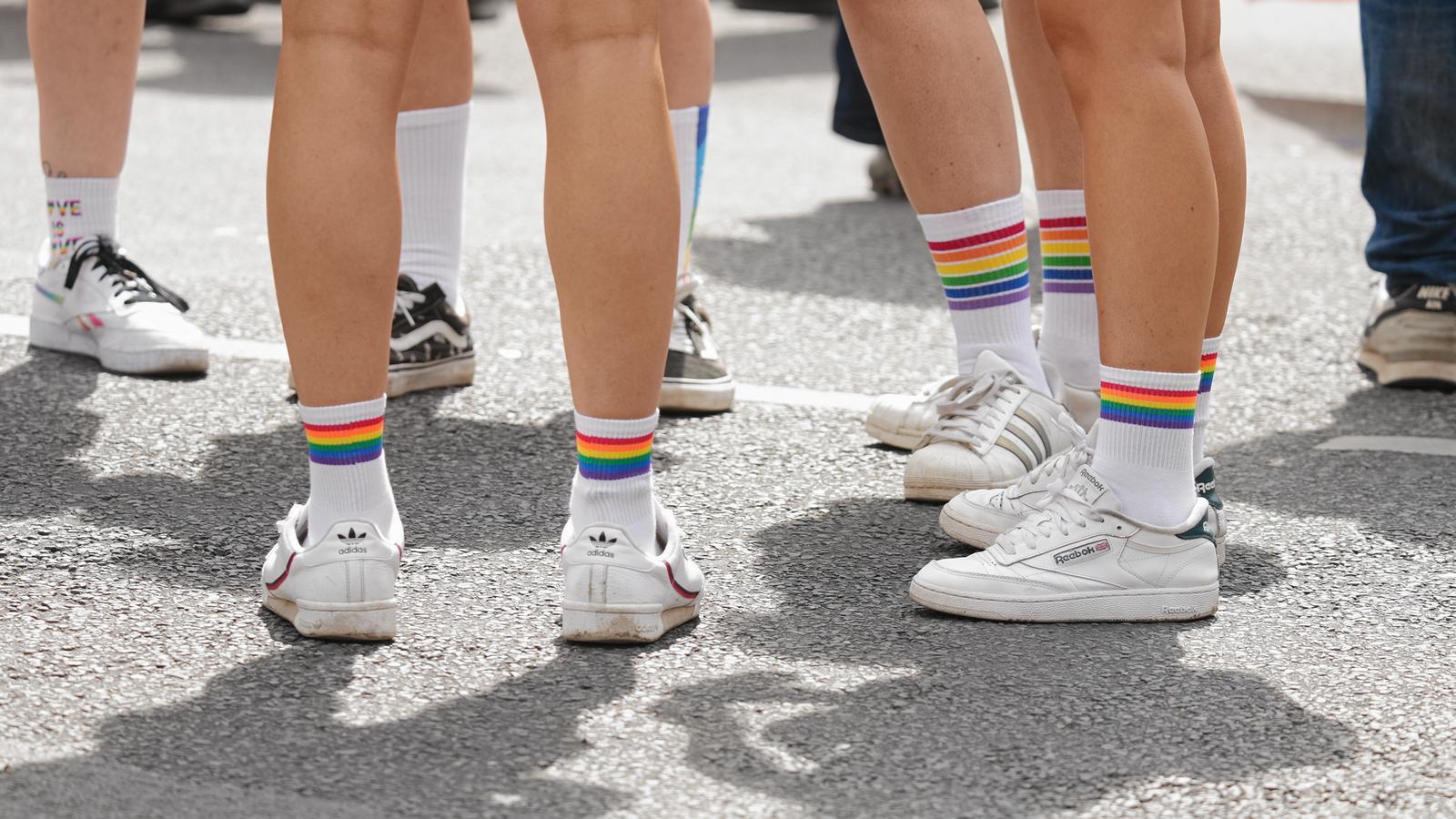
BarcelonaAlmost all families reach a day when their son or daughter asks for branded clothing. It may start first with just a sweater that has a specific name very large on it. Then pants where the label can be seen. It may also be that they reject pieces – and avoid wearing them – that are not from the brands they like. And it can end up being a whole lady's demand. There is a moment in the transition to adulthood when clothing – like other consumer goods – takes on a value linked to a whole series of names and logos that children increasingly recognize from a younger age.
Why does this happen? Is it normal? Can anything be done about it?
The professor at the University of Barcelona Núria Aragonès, an expert in fashion history, recognizes that the fervor for brands is not a new phenomenon, but has always occurred. “Levis and Nike are brands that began to become popular in the eighties, identified with a young and rebellious lifestyle –explains Aragonès–, which is still an identity issue”.
In 2026, urban tribes do not have the same weight as forty years ago, but brands continue to fulfill the same community function, as a consequence, also, of globalization. Aragonès links this fact to the irruption of social networks and the consumption of content that offers imaginaries that, without being related to a specific piece of clothing, are aspirational. “The idea is the same: to create community and feel included or excluded”, says Aragonès.
When and why does it happen?
Ana Isabel Jiménez-Zarco, a professor in the economics and business studies at the Open University of Catalonia, places the age range between eight and ten years as the start of this stage because children want to feel older and brands provide a sign of identity and a code of belonging to a group. “If you wear these brands, you show you are older and end up categorized in one group or another,” says the expert. Aragonès fully agrees, adding the component of “social validation” that some names provide, which, in addition to image, denote social status.
Furthermore, it should be taken into account that boys and girls are very visual and brand inputs reach them through different channels. Marketing does its job, and pre-adolescents are exposed to many messages a day along these lines, through direct advertising, content on social networks, or daily role models. “It has been studied that brands are not just a matter of fashion but that, because they are easy to recognize by colors and shapes, they are easily associated with a concept.” According to Aragonès, children unconsciously find it easy to identify a brand with what they want to be. Marketing, therefore, also does its job to sell more.
Has this phenomenon also advanced?
One of the problems that experts in this field detect is that, like many phenomena that arrived with adolescence, it has been advancing, and now this need occurs earlier and earlier, but insists that it has always occurred. Jiménez-Zarco, for example, acknowledges that she was the same: “Maybe I was 15 and not 8, but I did the same thing”.
What can families do?
According to Jiménez-Zarco, interest in brands has always been present in adolescence and there is no secret or magic potion that can eliminate it, but she warns that sometimes certain obsessions can denote a certain lack of self-esteem. In this case, she advises families to work on media literacy to prevent it from being understood and related that owning and wearing certain pieces of clothing defines something. The expert acknowledges the difficulty of working on this at these ages, but it must be tried: “It is complicated at these ages, but they need to see that a brand does not make you better or worse.”
