A wave of fires shakes the Pakistani community in northern Japan
The fires against a mosque and several businesses in Ebetsu show how rumors spread on social networks can transform social tensions into real violence
-
CAT -
CAST
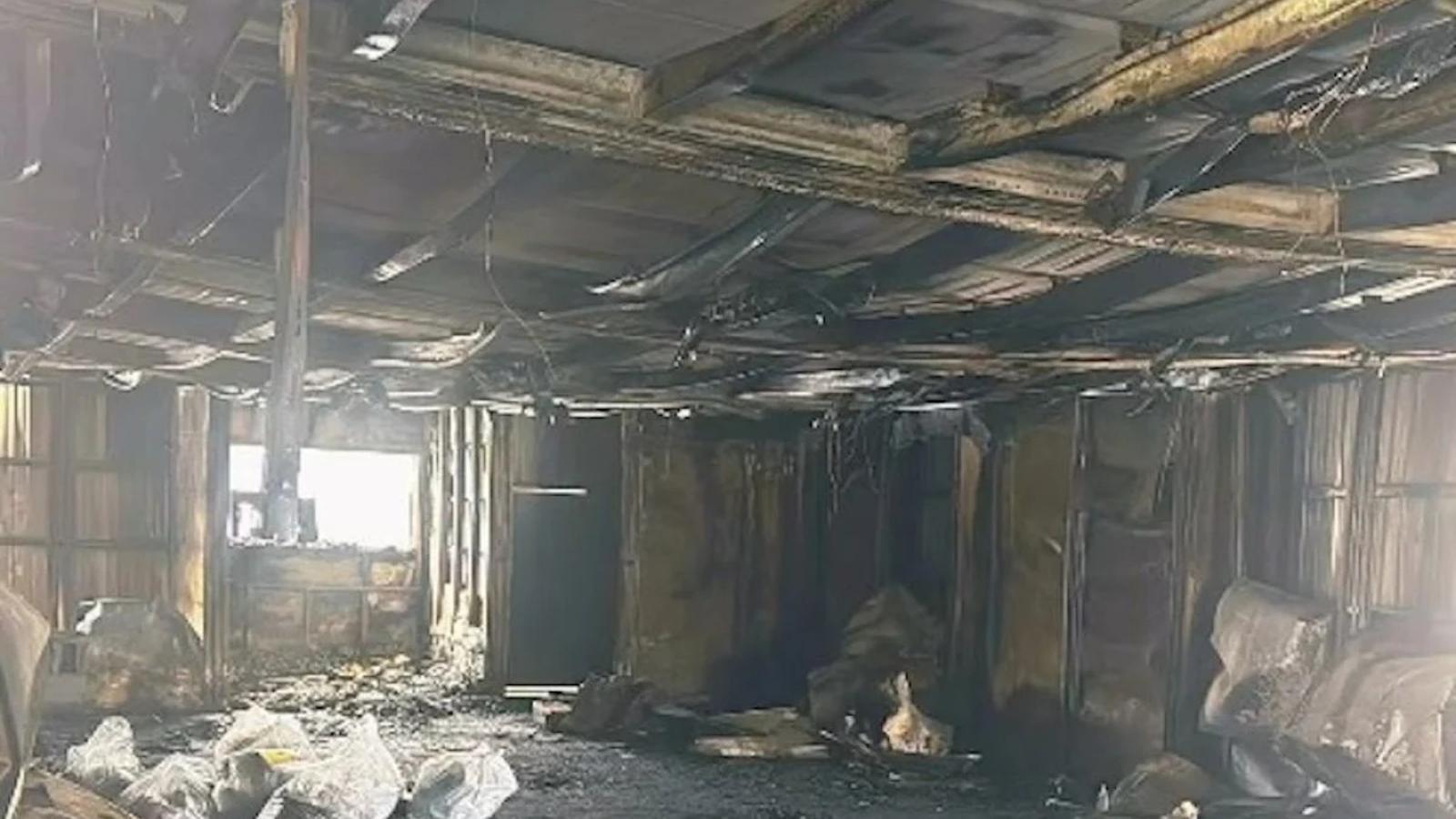
TokyoThe quiet city of Ebetsu, on the northern island of Hokkaido, has in recent weeks become the epicenter of one of the most serious episodes of community tension experienced recently in Japan. In just over two weeks, a series of fires affected several spaces linked to the local Pakistani community, including a vehicle repair and export workshop and the mosque that serves hundreds of Muslims in the region. Hokkaido police have arrested a 37-year-old man, a resident of the neighboring city of Chitose, on suspicion of being involved in at least some of the attacks.
The events have shocked a community that over the past decade had been gaining economic and social weight in the area. One of the fires completely destroyed the facilities of a company owned by a Pakistani resident and forced a worker to jump out of a window to escape the flames, with serious consequences. Days later, the Ebetsu mosque was also partially destroyed in a fire that authorities are investigating as arson. The succession of attacks has fueled concern about the rise of hostility towards foreign communities in some peripheral areas of the country.
The police investigation suggests that the attacks cannot be understood solely as a series of isolated incidents. In recent months, the Pakistani community in this locality had been the subject of increasing media exposure on social networks due to various controversies related to businesses managed by foreign residents. Several far-right accounts and content creators disseminated messages associating these businesses with alleged urban and administrative irregularities.
However, subsequent checks carried out by the municipal authorities offered a very different picture. According to documentation published by the Ebetsu City Hall, most of the constructions with issues belonged to Japanese owners. Despite this, the narrative constructed on social media continued to circulate for months, turning a local administrative matter into a much broader identity debate about immigration and coexistence.
The dangers of disinformation
The case has transcended the local sphere and has reopened the debate on the situation of foreign communities in Japan, in a context marked by the rise of discourses that associate immigration and insecurity. For many analysts, the facts show to what extent digital disinformation can amplify tensions that until then had had a limited impact on daily coexistence.
Several experts in disinformation and social cohesion have pointed out these days that the Ebetsu episode illustrates the risks posed by the massive circulation of unverified content on social networks. Partial information or unfounded accusations can end up acquiring an appearance of credibility when they are replicated continuously on digital platforms.
While the judicial investigation continues its course, the Muslim community of Hokkaido is trying to regain a certain normality after weeks of tension. The reconstruction of the affected buildings may end up being the simplest part of the process. It will be more difficult to restore trust in a city that for years had been presented as an example of discreet coexistence between Japanese and foreign residents. What happened in Hokkaido leaves an open question that transcends this city in Hokkaido: to what extent is Japan prepared to manage the tensions that inevitably accompany an increasingly diverse society.
