The Chinese opportunity for Africa

-
CAT -
CAST
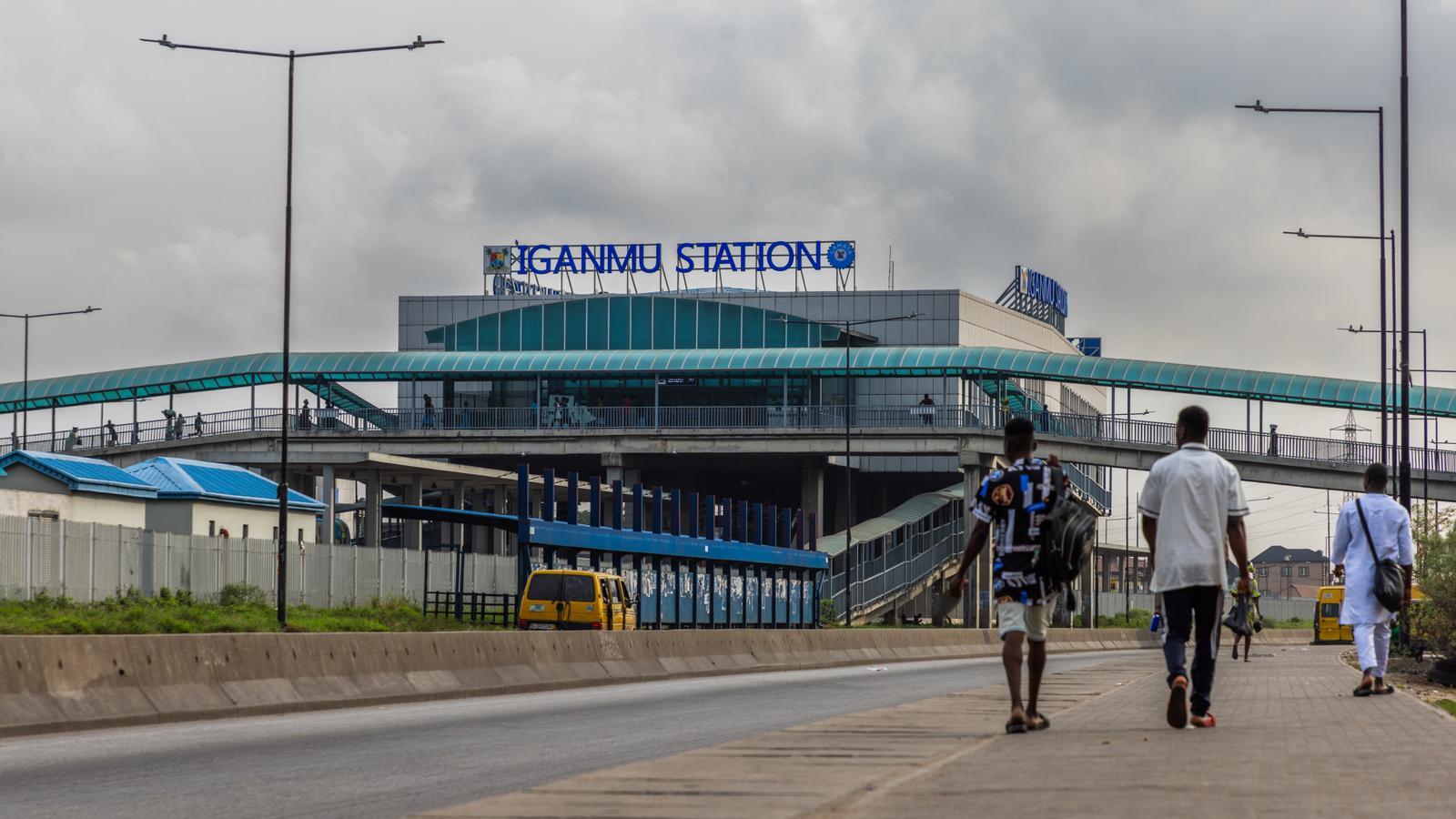
It doesn't matter which corner of Africa you are in. Whether you are in a small village on the outskirts of Bobo-Dioulasso, in Burkina Faso, in a provincial capital in Guinea, or in a large city like Lagos, Nigeria, you will always find a recurring figure: a product, a project, or a major infrastructure made in China. The Asian giant presents itself to Africans with a very effective narrative: during the 19th century, they too suffered the effects of foreign domination, and now they have become a world power by following their own path, ignoring the criticism of the countries that had previously dominated them. If Africans unite with China, they will be able to follow the same path towards a new global order, breaking the monopoly of Western power. On the ground, this translates into the construction of roads, hospitals, schools, and airports, structural investments to guarantee the mobility and future of the continent.Not everything is idyllic. Across the continent, African workers from Chinese companies denounce cases of labor exploitation, and in the most serious cases they have been accused of acting as new colonizers. Resource extraction has generated pollution of rivers and forests, scarcity of fish and an increase in food prices, while part of the available supply is packaged and sold in China. Trade relations with China continue to have the same contradictions that globalization generates everywhere.While the trade war between the United States and China occupies most of the headlines, another reality has remained hidden: 2025 was the year in which Africa's trade deficit with China broke its historical record. 100 billion dollars, 61% more than the previous year. For now, Africa mainly sells unprocessed raw materials, and China sells manufactured products and machinery. It is a trade pattern that does not solve the structural problems of the African continent, and both African capitals and Beijing are aware of this.The revolution of value chains
“Nowadays, countries like Zimbabwe, Namibia, Mozambique, Ghana, and Guinea are dismantling this system: prohibiting the export of raw materials and enforcing local processing standards,” wrote Kenyan journalist Jevans Nyabiage this week in the South China Morning Post. The importance of so-called critical minerals has generated a small negotiation margin for Africans. Aware of the scarcity of these resources, African countries attract Chinese investments to process their minerals. Jumping from selling unprocessed lithium to the first phase of refining means that, per kilogram, Zimbabwe can earn between 3 and 5 times more. Chinese investors respond positively to these requests: it is a way to reduce costs in their own value chain.The purchase of Chinese technology linked to renewable energies has also skyrocketed in the last four years. Energy is the essential condition for achieving industrialization. The joint package of energy and technological transfer is, for Africans, a loophole through which to access industrialization. The last year and a half has confirmed the differences, from the African perspective, between the hegemonic blocs of the global economy. The United States is increasing tariffs and reducing development aid; Europe is also reducing this aid – with fewer alarmist headlines – and prioritizing migration control. China has been facilitating the entry of African students into its universities for years, and has wide-open doors for its products: since May of this year, 53 African countries can sell tariff-free to China. Despite the contradictions, in many parts of Africa they see China as a reliable partner that will allow them to change their living conditions, and some countries are willing to try.

