Waiting for the unpredictable Donald Duck

-
CAT -
CAST
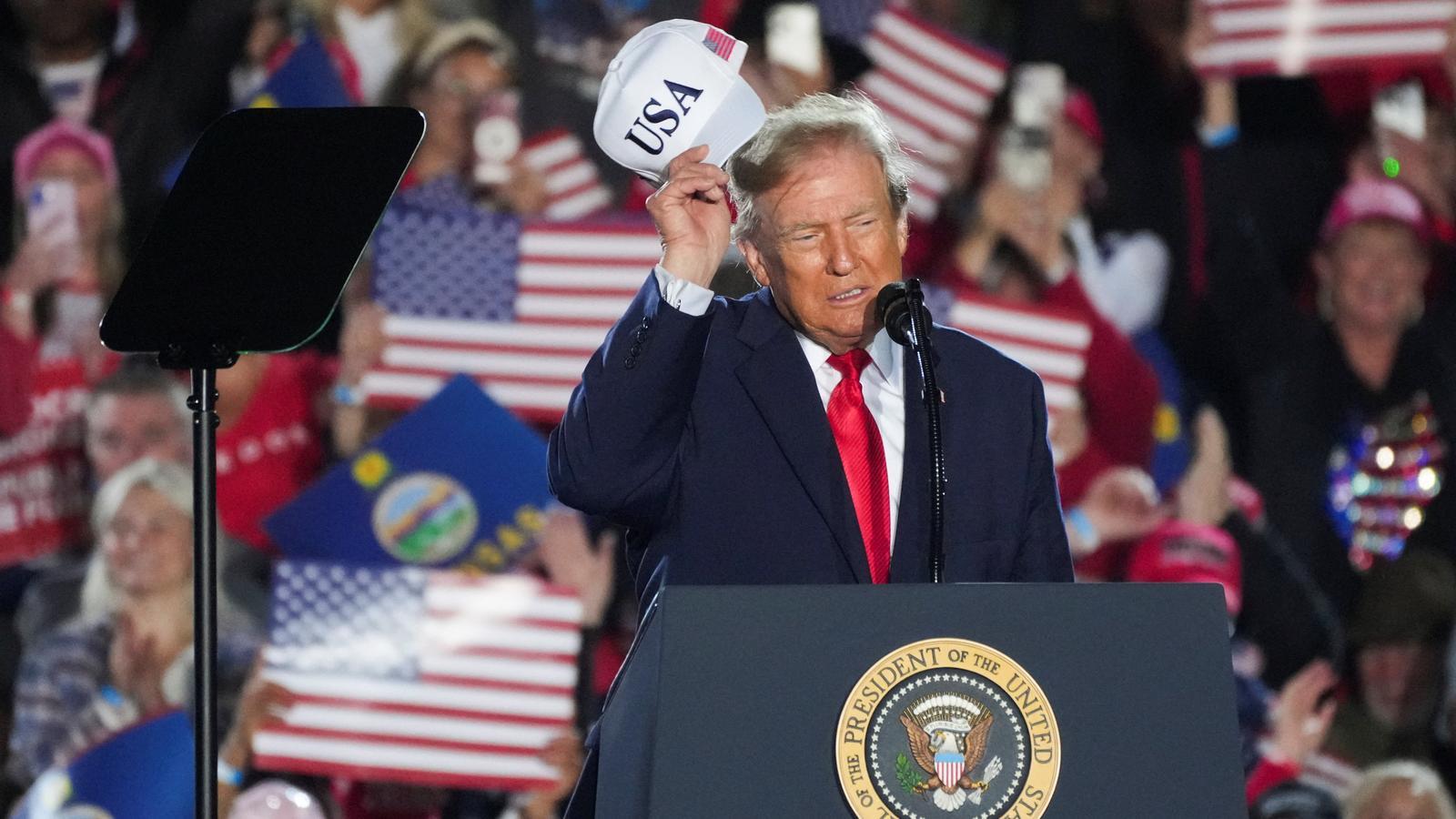
We find ourselves at the gates of the end of the Trump era, and this Tuesday Americans will decide how they want this end to be. If the polls get it right, Donald Trump will become a “super lame duck,” as Nate Silver, an electoral forecasting guru who popularized data analysis models in predicting results, claimed a few days ago in an interview with the newspaper New York Times. That is to say, in a president without political capital nor legislative support for the remainder of his term. Even the Republican Party, under his firm control, could begin to turn its back on him.
But you shouldn't count your chickens before they hatch. It is a well-known story that polls can be wrong. Trump and the MAGA movement have been underestimated many times. Sometimes with moderate accuracy, as in 2020; others with surprising inaccuracy, as in 2016 and 2024. If the Republicans avoid an electoral defeat this Tuesday—which could lead them to lose in conservative bastions like Texas, Kansas, or Iowa—and manage to keep the Senate, Trump will be a half-lame duck. He will surely maintain his power within his ranks and prevent Congress from acting as a counterweight.
In his conversation with Ezra Klein, a progressive journalist known for his calm and analytical style, Silver appeared more confident in this year's forecast because mid-term election polls tend to be much more accurate and because Trump is not on the ballot. Without him, the occasional voter stays home, an abstention that in recent years has favored the Democrats. Other electoral analysis websites like The Cook Political Report or Sabato's Crystal Ball agree with this same reading, although they are more cautious with the Senate because the margins are tighter.
The Bush precedent
In light of this scenario, many comparisons have been made between this election and that of 2006. That year, with a George W. Bush heavily worn down by the Iraq War and corruption scandals, the Republicans lost both chambers in a severe defeat. The president then had an approval rating of around 38%, a figure very similar to Trump's now, who is also dragging along an unpopular war, that of Ukraine, and growing voter concern over corruption.
If you add to all this the cost of living, worsened by gasoline and housing prices, it is understandable that many analysts see the Democrats as favorites and that people are beginning to speak of Trump as a lame duck. With both chambers in their hands, the Democrats could block the budgetary items for the conflict with Iran, paralyze judicial nominations, or initiate corruption investigations into the Trump administration.
However, no one believes that Trump will end his days in the White House as a lame duck. Not only will he maintain veto power to stop any opposition initiative and prevent them from derailing his agenda, but he could unleash his imperial use of the presidency even further, now freed from the pressure of the polls. Thus, he can expand his power through executive orders, emergency declarations, and administrative regulations, aware of the slowness of justice and that, on many occasions, the conservative majority of the Supreme Court has signed him a blank check. We find ourselves, once again, in unpredictable territory: lame ducks still retain much power, and a leader like him, narcissistic and wounded by an electoral setback, could become implacable.

