Corruption and the popular ex-minister's challenge corner Zelensky
Fedorov calls for elections and the deputy head of the presidential office is dismissed
-
CAT -
CAST
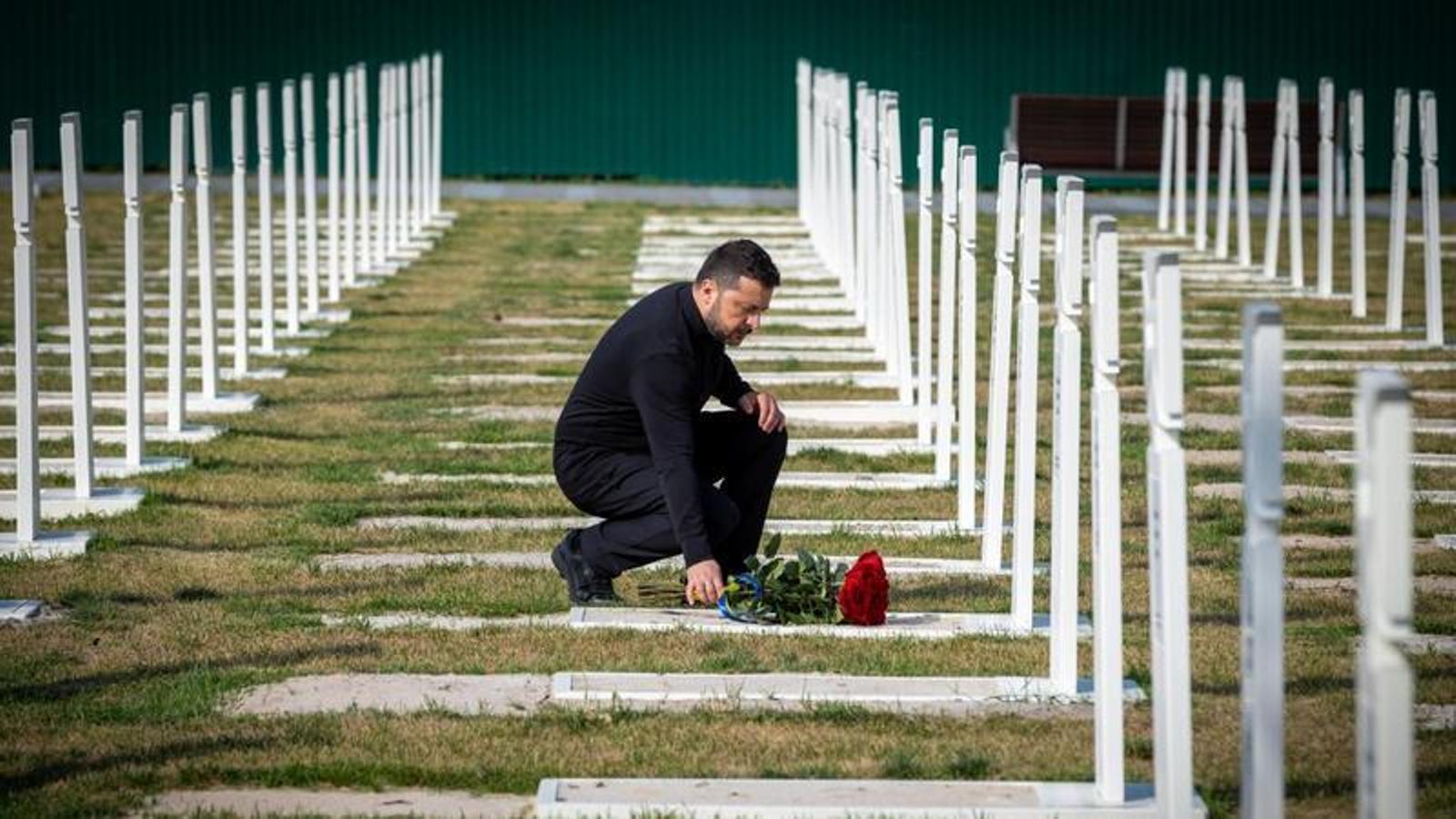
Kramatorsk (Ukraine front)"What happens if the war drags on for another year, two, or three? Can Russia be given the effective right to dictate when Ukrainians can choose their government again?", asks former Defense Minister Mykhailo Fedorov, in a recent social media post, just a month after President Zelensky dismissed him, an event that "triggered the most massive popular protests in Ukraine since the start of the war. In a ten-minute video message, the young entrepreneur and fleeting minister who had gained popularity due to his modern vision on the battlefield, denounces that Ukraine is experiencing a governance crisis, where appointments are made based on loyalty rather than results, and that corruption continues to plunder state coffers and directly affects the resources sent to the front and the country's very survival in the context of Russian aggression.
The reasoning Fedorov presents to demand elections in the midst of war (which are prohibited by the imposition of martial law) does not clarify how they could be implemented. The organization of polling stations, candidate campaigns, ballot boxes at the front, or even the democratic exercise of the electorate abroad or in occupied territories are the main challenges for Ukraine to be able to call elections, an initiative that would require security conditions that do not currently exist.

Before taking over the Defense portfolio, Fedorov was Minister of Digital Transformation for six years, from where he launched the electronic passport to reduce bureaucracy and paperwork in the administration. A measure that was well received, but which widened the technological gap between older generations. It is a segment of the population that the former minister will have to know how to seduce in a possible presidential candidacy, which many media outlets and journalists take for granted. The 35-year-old politician has managed to win over the younger generations, who in recent weeks have filled the streets and avenues of Kyiv and Kharkiv, the country's second-largest city, to demand his return to government. Just today, Parliament ratified his successor at the Ministry of Defense, Yevhen Hmara, in office, at the proposal of the Ukrainian president.
Zelensky has experienced one of the worst months of his career, which began with a government restructuring that left Fedorov out on July 15 and has made him a loyal ally of his political rival and one of his main de facto opponents. de facto. A crisis that originated from the young minister's disagreements with the head of the armed forces, Oleksandr Sirsky, who was also dismissed in an attempt by Zelensky to appease public opinion: 72% opposed Fedorov's dismissal, according to polls by Rating Group, one of the largest independent demographic centers in Ukraine.
This July has also been the deadliest month for the civilian population since May 2022, eight weeks after the start of the invasion, with almost four hundred and thirty victims, and the situation in the cities near the front in the Donbas region is rapidly deteriorating with mass evacuations and the closure of businesses due to constant bombings and the presence of Russian drones in the streets. The crowning event of this unfortunate month for the president occurred this Wednesday, when he dismissed the deputy director of the presidential office, Irina Mudra, for a serious case of corruption.

Forrest Gump Operation
The presidential decree for Mudra's dismissal was drafted a few hours after it became known that the Anti-Corruption Prosecutor's Office was searching his home, as part of Operation Forrest Gump against an alleged criminal scheme that laundered 2.9 million euros to pay the bail of the former Minister of Justice and Energy, Herman Haluixtxenko. The former minister, arrested last year in Operation Midas, is accused of organized crime and of having diverted 85 million euros from the state nuclear monopoly Energoatom. The scandal, which broke out in the middle of winter while Russia was bombing the country's energy infrastructure, plunging Ukraine into the worst winter in its history, also implicated Timur Mínditx, Zelenski's partner in the audiovisual production company that catapulted him to fame with his television program, The Servant of the People. Mínditx is in exile in Israel and Tel Aviv has ignored repeated extradition requests from the Prosecutor General's Office of Ukraine.
Mudra, who was responsible for the judiciary and judicial reform in the presidency, had been appointed by the previous head of the presidential office, Andrí Iermak, a key figure in understanding this whole mess of corruption. Considered the most influential man over Zelenski and the most powerful in Ukraine, he was one of the architects of the law to end the independence of Ukrainian anti-corruption bodies, provoking massive street demonstrations last summer that forced him to back down. Iermak also resigned due to the Midas case, in which he is accused of laundering money through luxury constructions in Kyiv.
Given the widespread fatigue of these four and a half years of conflict, decomposition, and institutional degradation, the words of former minister Fédorov in favor of the resurgence of democracy resonate strongly, but for electoral logic to make sense, his voters will first have to survive this war.
