The United States reactivates the war against Iran
Washington shoots at Iranian targets for the second time in 48 hours and Tehran responds by attacking US bases
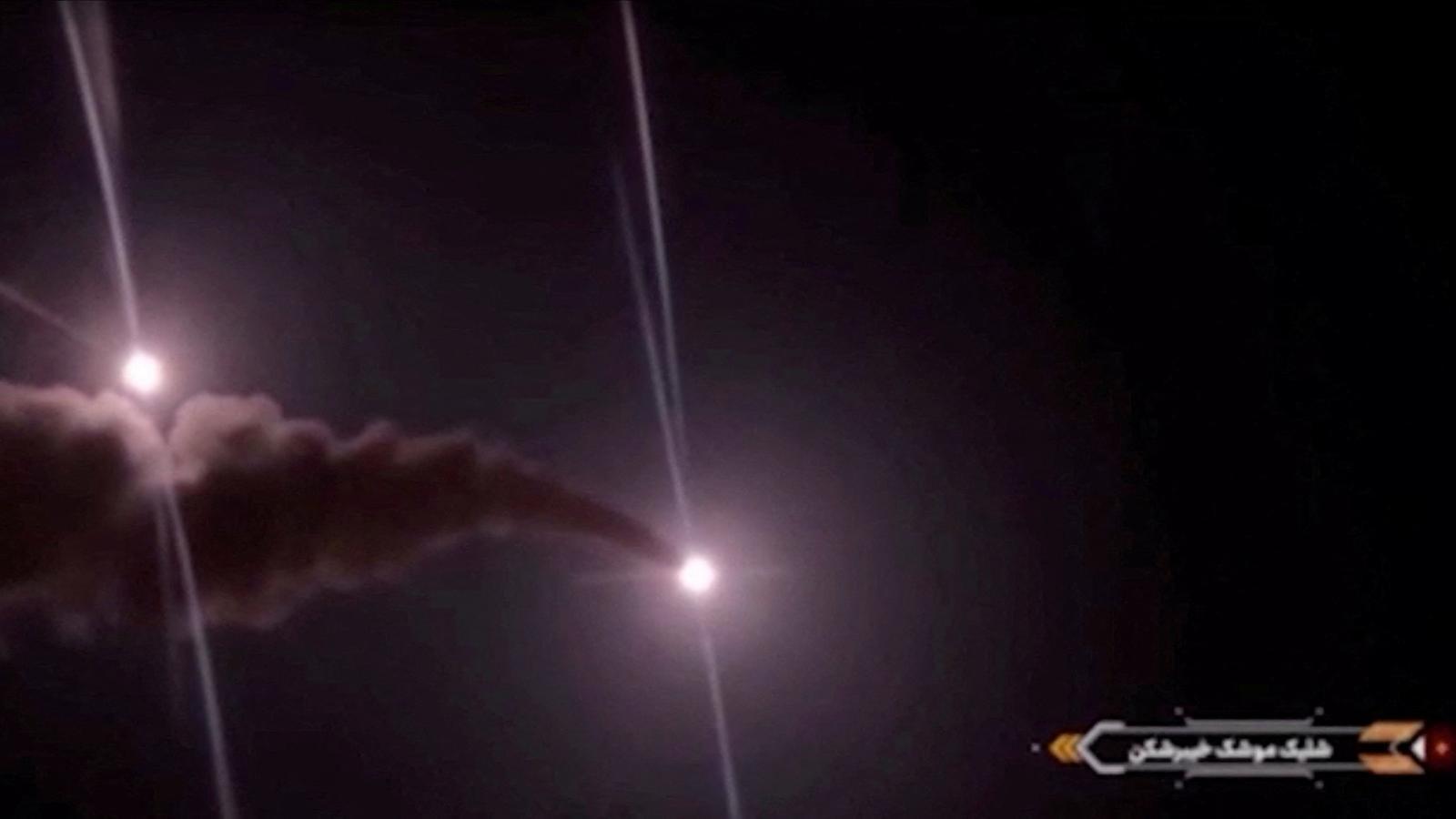

WashingtonThe United States bombed Iranian targets again this Tuesday. The new wave of attacks comes after Donald Trump promised to "hit hard" Iran in response to Tehran's bombing of US bases in the region, which in turn was the ayatollahs' response to Washington's attack this Sunday on the Iranian island of Larak, located in the Strait of Hormuz.
Shortly after, in a post on Truth Social, the US president warned the ayatollahs that if they retaliate, there will be a new wave of reprisals. "If the failing nation of Iran retaliates for this very justified attack, it will receive a much stronger and more significant blow, but this will not be the biggest attack of all: that one is still waiting, and when it is over, there will be very little left of the Islamic Republic of Iran!", wrote the Republican, who once again threatened to completely destroy the country.
However, the Iranian news agency Fars reports that Iran has initiated a retaliatory operation late this Tuesday (Catalan time). In a statement, the Revolutionary Guard claims to have killed a large number of US forces —Washington says it has no record of any casualties so far— and states that it has destroyed US military equipment in attacks against US bases in Jordan. Details are scarce at the moment, but Jordanian public television confirms that air raid sirens have been activated in the Jordanian towns of Mafraq and Aqaba.
In a post on the X network, the United States Central Command (Centcom) states that this Tuesday's attacks occurred "after recent attempted attacks by the Revolutionary Guard against commercial vessels in the Strait of Hormuz and against US military personnel deployed in the region." According to the same post, the attacks were directed against targets of the revolutionary guards corps, but according to Iranian state television, at least four people have died and 35 have been seriously injured in one of the attacks, which impacted a wedding in the district of Sirik.
The resumption of crossfire
Although attacks between the two sides have been constant despite signing a truce in June, the context in which they occur is significant. In the last month, neither Washington nor Tehran had attacked each other directly. But on Sunday, the U.S. military marked a new turning point and bombed Larak Island.
According to Centcom, that attack served to destroy two platforms with which, according to the U.S. version, Iran had the capacity to fire rockets loaded with sea mines in the Strait of Hormuz, where Washington has assured for weeks that it is working to remove all mines and allow traffic to resume normally. A milestone that until now, even though some ships are circulating, has not been achieved.
From Bishkek, where the meeting of the Shanghai Cooperation Organization (SCO) is being held, Iranian President Masoud Pezeshkian has shown his willingness to resume diplomatic dialogue if the United States fulfills the commitment made in the Memorandum of Understanding signed in June in Versailles. Meanwhile, from the G-20 summit being held in North Carolina, U.S. Treasury Secretary Scott Bessent has announced that in the coming days he will deploy new sanctions against various banks as part of the economic war that Washington intends to wage against Tehran.
Bad timing at the Pentagon
The resumption of crossfire between Iran and the US comes amid a growing power vacuum within the Pentagon's top brass. This Monday, Army Secretary Dan Driscoll formally submitted his resignation to the White House. Driscoll, who was considered the likely successor to current Defense Secretary Pete Hegseth, has resigned from his post after months of tensions with his superior.
Driscoll's departure adds to a long list of casualties the Pentagon has accumulated in recent months, since last April when Hegseth dismissed the Chief of Staff of the Army, Randy George. General George was a key figure for the military command of US forces during one of their most active periods since the Iraq and Afghanistan wars. He was also an ally of Driscoll, with whom he shared much better rapport than with the Defense Secretary.
Since August, the vacancy to lead the Army's Training and Transformation Command, responsible for overseeing the replenishment of Patriot missiles and other critical systems for the army, also remains unfilled.
