The United States is trying to open a land front against Iran with the Kurds of Iraq
The president of the autonomous administration, Nechirvan Barzani, says they will not be "part of the conflict"


-
CAT -
CAST
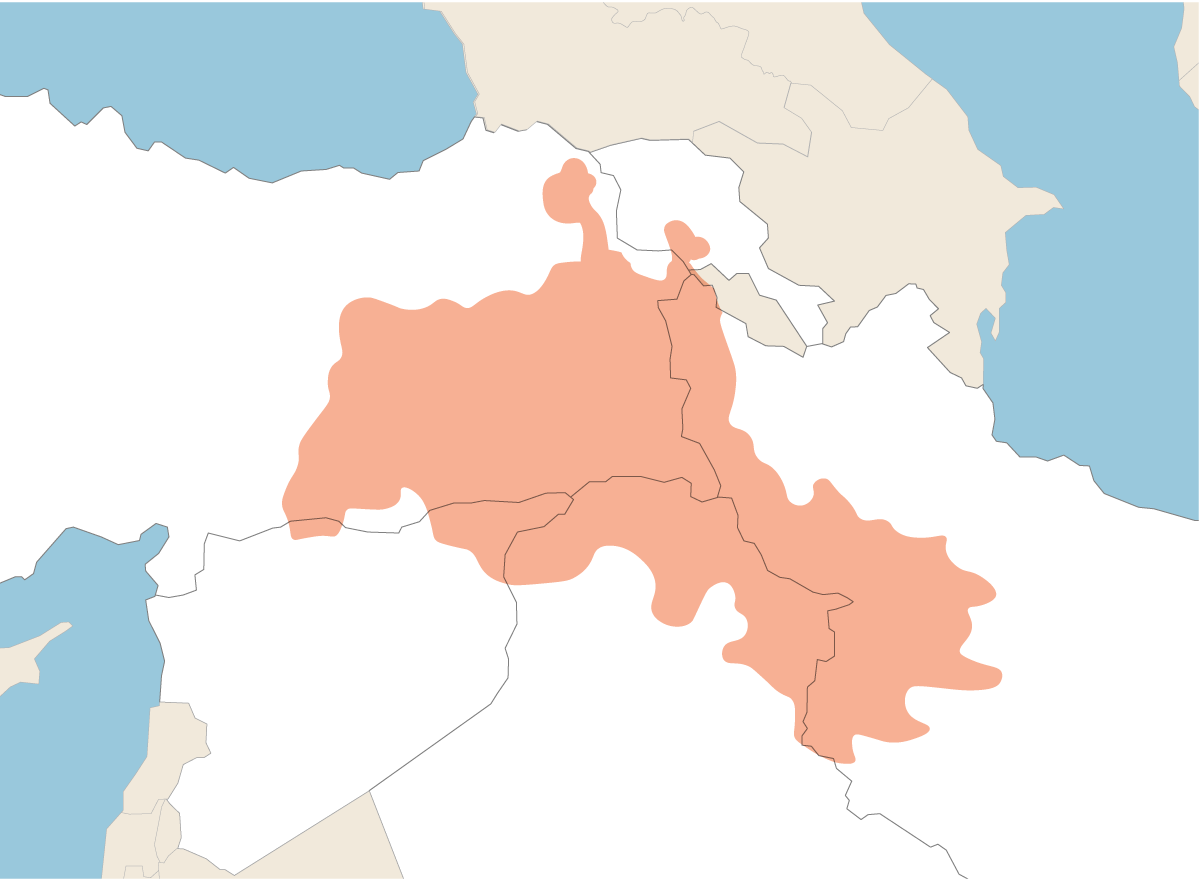
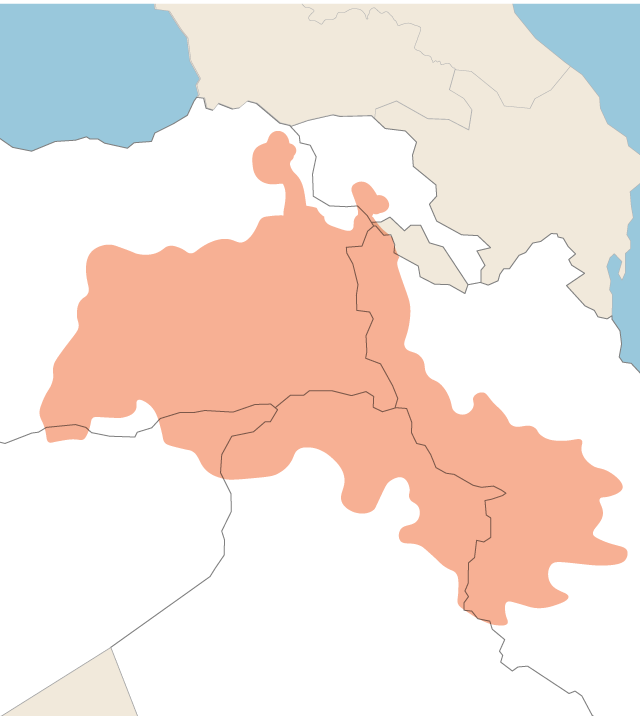
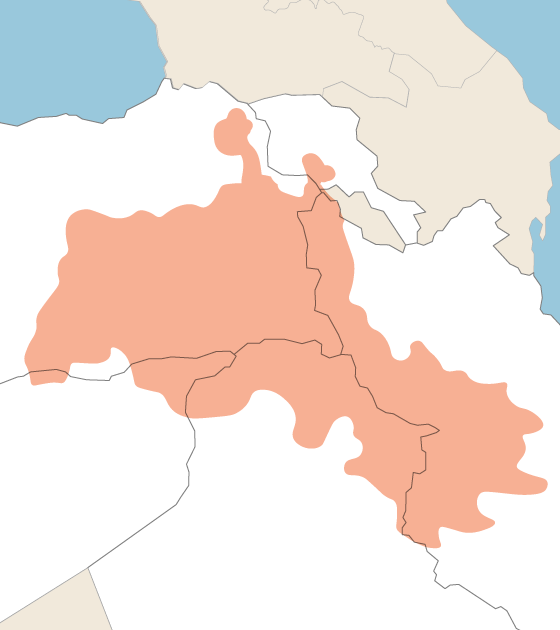
BeirutAs the regional war intensifies and US and Israeli airstrikes continue in Iran, a ground intervention in the Persian country is now also being considered. On Wednesday night, Washington hinted that Kurdish militias in neighboring Iraq would be prepared to launch a ground offensive against Iran if armed. This Thursday morning, Iran launched an attack on the semi-autonomous Kurdish region of Iraq. Iranian state television Press TV reported early Thursday that the army was attacking "anti-Iranian separatist forces," without specifying the exact location of the airstrikes, and claimed they had suffered "heavy losses." In Iraqi Kurdistan, several Iranian Kurdish opposition groups have begun mobilizing fighters near the border. Organizations such as the Kurdistan Democratic Party of Iran, Komala, and the Kurdistan Freedom Party have maintained bases in northern Iraq for years, but in recent weeks their movements have taken on a different dimension. According to several regional sources, these militias are considering operating within Iranian Kurdistan while the United States and Israel bomb the Persian country. The strategy makes sense. Opening a domestic front would force Tehran to disperse military resources at a time when it is facing airstrikes and increasing international pressure. For Washington, this formula is not new: there are precedents in the region's recent history.
Historical Precedent
For decades, the United States has relied on the Kurds as tactical allies in regional conflicts. This was the case after the first Gulf War. Following the defeat of Saddam Hussein's regime in 1991, Washington established a no-fly zone in northern Iraq, which allowed the Kurds to consolidate their autonomy. de factoThat operation, known as operation Provide Comfort (providing comfort), transformed Iraqi Kurdistan into an enclave protected by the West.
GEÒRGIA
mar Negre
ARMÈNIA
AZERBAIDJAN
TURQUIA
mar Caspi
KURDISTAN
IRAN
SÍRIA
IRAQ
LÍBAN
GEÒRGIA
mar Negre
ARMÈNIA
TURQUIA
KURDISTAN
IRAN
SÍRIA
IRAQ
GEÒRGIA
mar Negre
ARMÈNIA
TURQUIA
KURDISTAN
IRAN
SÍRIA
IRAQ
This same territory could once again become a strategic platform. The Kurdish autonomous region in Iraq is dominated by two major political formations: the Kurdistan Democratic Party (KDP), led by Masoud Barzani, and the Patriotic Union of Kurdistan (PUK), led by Bafel Talabani. Both forces maintain complex relationships with Washington, Ankara, and Tehran, and until now have avoided becoming directly involved in an open confrontation with Iran. However, the deteriorating situation in the region is disrupting balances that for years seemed relatively stable.
Likewise, several Iranian Kurdish groups, historically opposed to the central government in Tehran, perceive the current conflict as an opportunity to reignite their struggle. Since the 1979 revolution, Iranian Kurdistan has been the recurring scene of low-intensity insurgencies suppressed by the Revolutionary Guard. The mountains separating Iran from Iraq offer particularly favorable terrain for irregular warfare, a geography that for decades has allowed militias to move between the two countries. For the United States, supporting these groups is a clear advantage. It would allow them to pressure Iran without having to deploy their own troops on the ground. After the costly interventions in Iraq and Afghanistan, Washington prefers to limit its intervention to airstrikes and rely on local allies already on the ground. This strategy, however, carries considerable risks. Iran is a mosaic of ethnic minorities, including Kurds, Baloch, Arabs, and Azeris. And history shows that foreign interventions often strengthen Iranian nationalism rather than fragment it. In other words, the attempt to bolster an insurgency could end up consolidating internal support for the regime instead of weakening it. In fact, Nechirvan Barzani, president of the autonomous Kurdistan Region of Iraq, stated this Thursday that the autonomy "should not become part of any conflict," after the Iranian military claimed to have attacked the headquarters of Iranian Kurdish forces in northern Iraq.
Regional Impact
The regional impact is also significant. Turkey is watching with enormous concern any move that might strengthen armed Kurdish militias near its borders. For Ankara, the possibility of Kurdish groups gaining military strength thanks to Western support revives a persistent strategic fear. Iraq is also uneasy about this scenario. The Baghdad government has been trying for years to maintain a delicate balance between Washington and Tehran. Becoming the scene of another proxy confrontation between these two countries could jeopardize this fragile equilibrium. Furthermore, the military pressure on Iran coincides with signs of fragility within the so-called "axis of resistance," the network of regional allies that Tehran has built over the past few decades. For example, in Lebanon, the Hezbollah movement is facing a particularly precarious situation. The war against Iran has placed the Shiite group in a dilemma: some advocate a more direct confrontation with Israel, while others fear that a full-scale war would drag Lebanon into devastation similar to that of 2006 and 2024. In any case, the Kurdish war is gradually spreading throughout the Middle East.

