The rise in the price of oil greases the wheels of the Russian war machine and Ukraine tries to prevent it
Attacks on Russian ports may have an unintended effect for Zelensky and further enrich the Kremlin
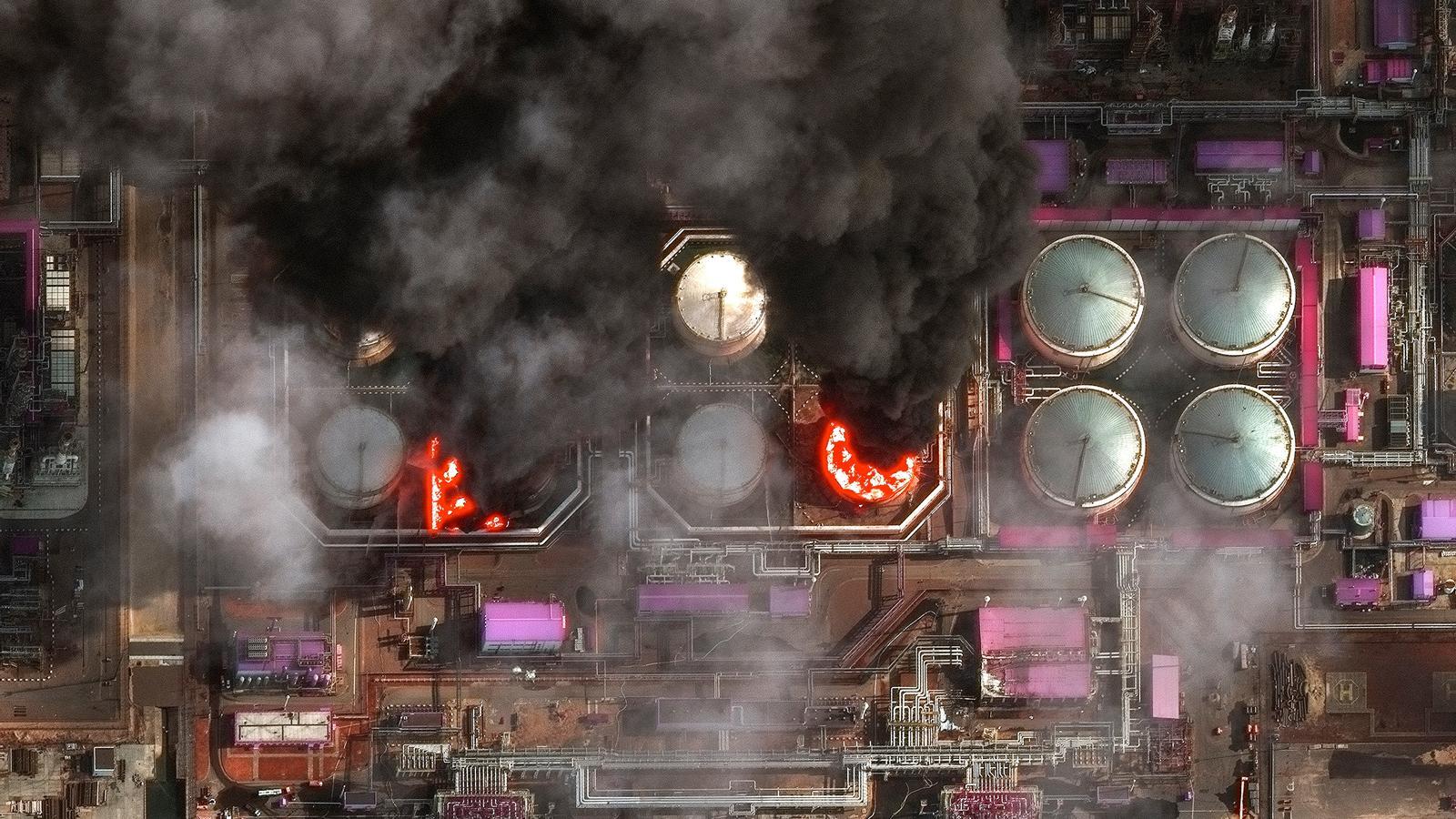

MoscowVolodymyr Zelensky fears a perfect storm: a prolonged conflict in the Middle East, from which Vladimir Putin continuously benefits with the sustained increase in oil prices, which fattens the Russian budget for the war in Ukraine and stalls the economies of Kiev's European allies. To prevent this, the Ukrainian president is carrying out the most intense campaign of attacks against Russia's crude oil export ports since the start of the invasion. However, this strategy could be counterproductive to Zelensky's short-term interests, as it could contribute even more to the increase in oil prices and, therefore, to the Kremlin's revenues.
How much does Russia gain from the war in Iran?
According to economists' estimates, with the closure of the Strait of Hormuz and the partial lifting of sanctions by the United States, Moscow has gone from distributing oil worth 135 million dollars a day to doing so for double, about 270 million daily. Urals, the Russian benchmark crude, sold in 2025 at an average of 65 dollars per barrel, a figure that fell to 45 dollars just before the attack on Iran. Now, however, it hovers around 110 dollars per barrel. Experts calculate that if this price is maintained, the Kremlin can earn between 4,000 and 6,000 million additional dollars per month in hydrocarbon taxes.
How is Zelensky trying to cut off the black gold tap?
In an unprecedented escalation, over the past ten days Ukrainian drones have struck the two main Russian oil export ports in the Baltic Sea five times: Ust-Luga and Primorsk. The latest attack took place in the early hours of this morning. The Leningrad region is on alert due to almost daily bombings: airports are forced to cancel flights and authorities are intensifying internet shutdowns. A measure that Russian war bloggers do not understand, if the moment when connection to the network is most restricted is precisely when Ukrainian drones are most successful.
Reuters claims that these attacks have limited Russia's oil export capacity by 40%. Zelensky defends their effectiveness because one of the Kremlin's basic sources of income is being undermined. At the same time, he admits that "some partners" have asked Ukraine to reduce bombings against the Russian oil sector in order not to worsen the global fuel crisis. The Ukrainian president responds by proposing a truce to Putin regarding energy facilities. "If Russia is willing not to attack Ukraine's energy infrastructure, we will not retaliate against theirs," he said.
What side effect could it have for Ukraine?
Even so, the concern of Ukraine's allies may be well-founded. According to Russian economist Aleksandr Koliander, attacks on its crude oil terminals could further increase the Kremlin's immediate profits. Since 2024, Russia has not collected taxes on oil exports; instead, federal revenues come from a tax on the extracted volume. "The state collects at the wellhead," Koliander summarizes. Therefore, blocking exports does not automatically strangle the budget.
Instead, if Kyiv provokes with its drones that there is less oil available on world markets, it will aggravate the supply crisis and "favor the very budget it is trying to undermine." The economist points out that each $10 increase in the price of a barrel of Urals adds between $1 billion and $1.5 billion monthly to Russian coffers. Those suffering the consequences are the Russian oil companies, which cannot distribute their product, and global consumers, who pay exorbitant prices for fuel, but not the Russian government. In fact, Putin has already ordered the postponement of spending cuts planned for this spring.
Zelensky is concerned that a prolonged conflict in Iran could trigger a global economic crisis that would lead European countries to limit military aid to Ukraine. Putin would be delighted with this prospect, but Russia is not immune to recessions. In the long term, it cannot live solely on oil revenues —insufficient to alleviate the enormous budget deficit— and will suffer if inflation skyrockets again and the civilian industry bleeds even more.
How does the fertilizer crisis benefit Russia?
Finally, the conflict in Iran can also fill the Kremlin's coffers through the sale of fertilizers. The UN has warned that the shortage of these components due to the closure of the Strait of Hormuz could affect global food security. In this context, as with oil, Russia's position as one of the world's leading producers is unmatched. The effects of this crisis may take time to be felt, but Putin will not hesitate to also use food prices to continue funding the war in Ukraine.
