The plane's co-pilot to Tel-Aviv was allegedly a "lone wolf" who intended to crash it
According to reports from Israel and the US, the author of the attack intended to crash the plane into Ben Gurion airport or into a skyscraper in the Israeli capital
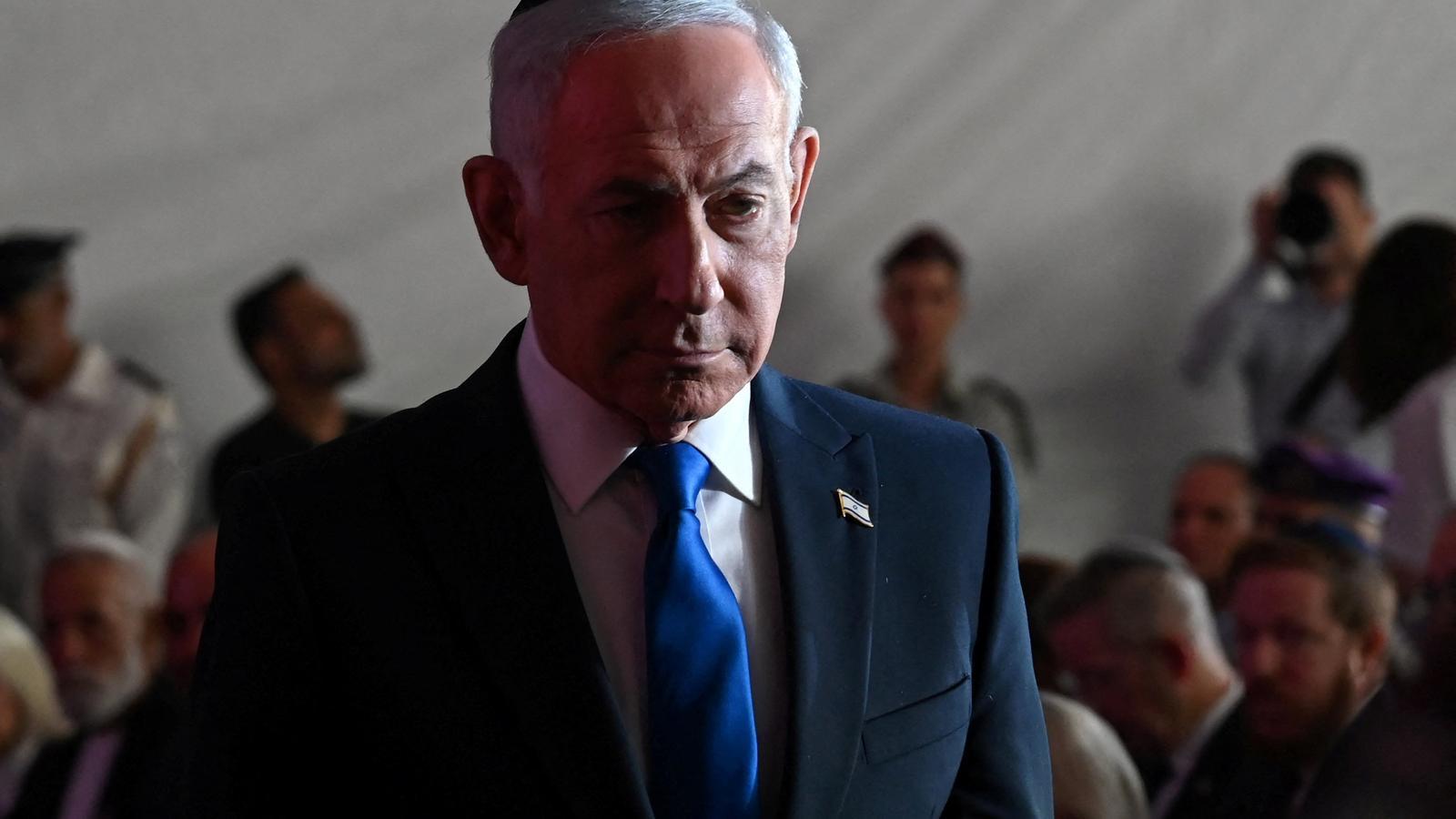
BarcelonaThe Israeli government has suggested from the very first moment a supposed role of Iran in the incident that forced a plane covering the route between Dubai and Tel Aviv to modify its flight path last Wednesday. The authorities are investigating it as an attempted attack. Without evidence, Benjamin Netanyahu suggested a day after the events that Tehran could be behind it, and the Minister of Defense, Israel Katz, asserted that it was a "jihadist terror attack attempt". This Monday, however, the theory of Iranian involvement is losing strength: reports from Israel and the United States cited by media outlets like the BBC suggest that the attacker was a "lone wolf".
According to these investigations, the co-pilot accused of trying to hijack the plane, from the company Flydubai, intended to crash the aircraft into Ben Gurion Airport in Tel Aviv or into a skyscraper in the Israeli capital. Early in the morning, as the aircraft approached the border between Saudi Arabia and Jordan, the co-pilot, Hamam al-Hammami, assaulted the ship's pilot, Smit Machchhar, and tried to take control of the plane, which finally landed in Tabuk, Saudi Arabia, where Machchhar was admitted to receive treatment for serious injuries.
Israeli media explain, citing sources familiar with the investigation, that having stabbed Machchhar, Al-Hammami, an Omani national, intended to continue the flight into Israeli airspace. Once there, he planned to wait for landing authorizations to then crash the aircraft. This is the version he reportedly explained to investigators himself. In his confession, he also allegedly claimed that he had intended to hijack and crash a previous flight, but changed his mind because he knew someone on board.
The insinuations by Benjamin Netanyahu's government regarding a possible link to Iran occur in a context of maximum tension between the two states, and in a pre-election environment in which the Israeli prime minister is widely questioned for the multiple open military fronts – among them Tehran, now frozen but unresolved – that are exhausting the population. Netanyahu is seeking to revalidate his presidency in a visit to the polls at the end of the month that is key to his political survival, which he reaches also questioned by reports suggesting he had ignored the warnings from the United Arab Emirates that warned of the 2023 Hamas attacks ten days before they occurred.
A new setback for Netanyahu
Although at first the incident seemed to play in Netanyahu's favor, paving the way for him in the face of a supposed external attack with political intent, the latest developments are turning against him. This Monday it was also learned that Israel received a list of the plane's crew before it took off. It is especially relevant for two reasons. On one hand, because the Omani co-pilot had been rejected by the company Oman Air after the country's authorities claimed he had "extremist ideas". On the other hand, because pilots from countries with which Tehran does not maintain diplomatic relations, as is the case with Oman, are banned from entering Israel.
For these reasons, the voices calling for an independent commission of inquiry into what went wrong in this case are growing. But Netanyahu rejects it, and this Sunday he announced that it will be the director of the National Security Council, Shmuel Ben Ezra, who will oversee the investigations. This is a position designated by the executive power itself. For this reason, the opposition qualifies it as a "farce" and sees a clear parallel with the investigation into the Hamas attacks, of which Netanyahu is also blocking an independent investigation.

